
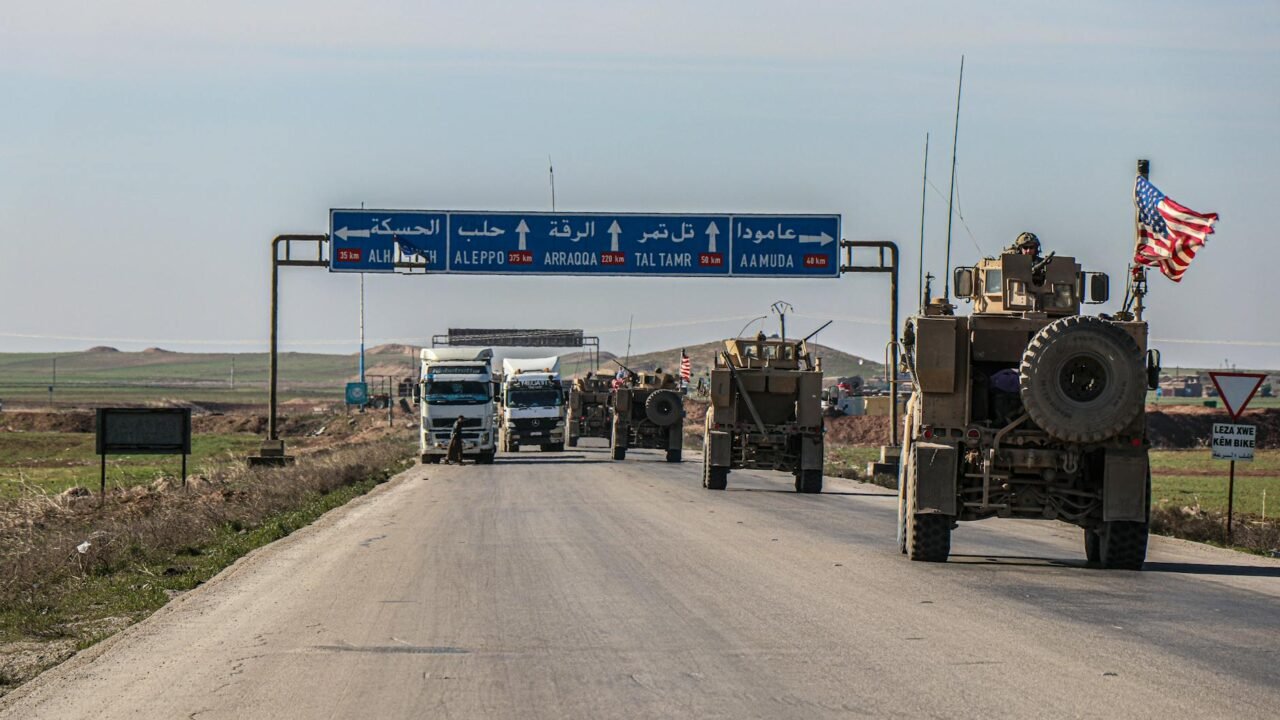
The ongoing conflict in the Middle East has unexpectedly carved out new economic avenues for Syria, largely owing to its strategic geographical positioning. As maritime trade routes face unprecedented disruptions, landlocked nations and those with limited access to traditional shipping lanes are increasingly looking towards alternative transit points. Syria, despite its own complex geopolitical landscape, finds itself at a critical juncture, offering a potential overland passage that bypasses the blockaded chokeholds that have come to define the region’s commercial arteries.
Information reaching Tahir Rihat suggests that the latest escalation of hostilities has led to a significant reassessment of global supply chain vulnerabilities. The closure or severe restriction of key maritime straits, vital for the movement of goods and energy, has sent shockwaves through international markets. This has, in turn, spurred a desperate search for viable alternatives, a search that is now pointing towards the Syrian landmass. The country’s historical role as a transit hub, though diminished by years of internal strife, is being re-examined in light of current exigencies. The economic implications of this shift are profound, potentially injecting much-needed revenue into an economy that has been severely battered.
The impetus for this re-evaluation stems directly from the operational challenges faced by global shipping. When major waterways become inaccessible due to conflict, the cost and time associated with transporting goods skyrocket. This creates a ripple effect, impacting everything from consumer prices to industrial production. Consequently, the focus has shifted to overland routes, and Syria’s location, nestled between major economic powerhouses and bordering crucial transit corridors, makes it a compelling, albeit complex, option. The prospect of goods moving through Syria, even under stringent security measures, represents a tangible solution for businesses seeking to maintain their trade flows.
The Syrian government, while navigating its own internal and external pressures, is reportedly exploring these emerging opportunities. The potential for increased transit fees, customs duties, and associated logistical services could provide a significant economic stimulus. This development is particularly noteworthy given the country’s long-standing economic isolation and the devastating impact of the civil war. The re-emergence of Syria as a transit country, even in a limited capacity, could signal a new chapter in its economic recovery, provided the necessary security and logistical frameworks can be established and maintained. The international community, while wary of engaging directly with the Syrian regime, may find itself indirectly benefiting from any functional trade routes that emerge, underscoring the pragmatic nature of global commerce in times of crisis.
The specific routes being considered likely leverage existing, albeit perhaps underdeveloped, infrastructure. This could include rail lines and road networks that historically facilitated trade between the Levant and its neighbors. The challenge lies not only in the physical infrastructure but also in the security and regulatory environment. Any transit through Syria would require robust guarantees for the safety of goods and personnel, as well as streamlined customs and border procedures. The success of these new economic opportunities hinges on the ability to create a secure and predictable transit corridor, a feat that has proven difficult in the past.
Furthermore, the geopolitical implications of Syria’s renewed strategic importance cannot be overstated. The country has been a focal point of international rivalries and proxy conflicts for years. Any significant increase in its role as a trade facilitator would inevitably draw the attention of regional and global powers, potentially altering existing dynamics. The economic benefits, while attractive, could also come with increased political scrutiny and pressure. The delicate balance that Syria has maintained, or attempted to maintain, amidst these competing interests will be further tested as it becomes a more central player in regional trade flows.
The economic opportunities for Syria are not limited to transit fees alone. An increase in trade activity could also spur demand for related services such as warehousing, transportation, and logistics. Local businesses, if they can operate within a secure environment, could see a revival. However, the sustainability of these opportunities remains a significant question mark, heavily dependent on the longevity and intensity of the current regional conflict and the stability of the transit routes themselves. The long-term economic implications will also be shaped by how the international community perceives and engages with Syria’s evolving role.
The situation underscores a broader trend in international trade: the inherent resilience and adaptability of global commerce in the face of adversity. While conflicts disrupt established patterns, they also create vacuums that can be filled by innovative solutions and the exploitation of overlooked geographical advantages. Syria’s current predicament, where its geography is becoming an economic asset, is a stark illustration of this phenomenon. The world’s need for uninterrupted trade is a powerful driver, capable of reshaping economic landscapes and creating unexpected beneficiaries, even in the most challenging of circumstances.

Tahir Rihat (also known as Tahir Bilal) is an independent journalist, activist, and digital media professional from the Chenab Valley of Jammu and Kashmir, India. He is best known for his work as the Online Editor at The Chenab Times.





Leave a Reply