
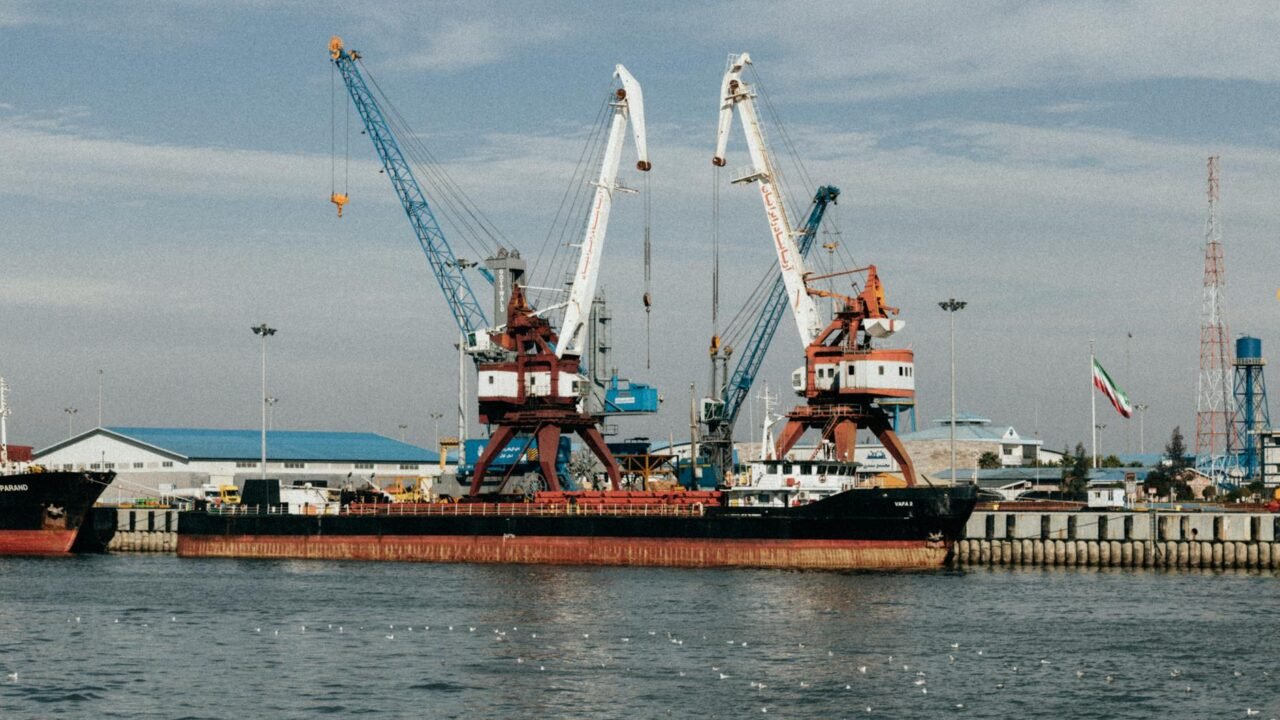
The United States‘ imposition of a blockade on Iranian shipping is poised to exacerbate the already considerable economic pressures facing the Islamic Republic, according to industry analysts. This move, aimed at further isolating Iran‘s economy, is expected to significantly disrupt the flow of goods and commodities, adding another layer of difficulty to an economy already grappling with international sanctions and internal challenges. While the blockade is anticipated to inflict substantial pain, its effectiveness in compelling Iran to alter its policies or alleviate the global energy crunch remains a subject of debate among experts.
Information reaching TahirRihat.com suggests that the primary impact of such a blockade would be on Iran’s oil exports, a critical source of revenue for the government. By preventing Iranian vessels from navigating international waters or docking at foreign ports, the U.S. aims to choke off a vital income stream. This strategy is a continuation of broader efforts to exert maximum pressure on Iran, compelling it to negotiate on its nuclear program and regional activities. The effectiveness of such economic measures, however, is often contingent on the cooperation of other global powers and the resilience of the targeted economy.
Analysts consulted by TahirRihat.com point out that Iran has, in the past, demonstrated a capacity to adapt to sanctions, albeit at a significant cost to its populace and economic growth. The country has explored various methods to circumvent restrictions, including the use of ship-to-ship transfers and alternative trade routes. However, a comprehensive blockade of its shipping capabilities would present a more formidable challenge, potentially limiting these workarounds. The ripple effects of such a disruption could extend beyond Iran’s borders, impacting global energy markets. While Iran’s oil production has been constrained by existing sanctions, any further reduction in its export capacity could contribute to price volatility and supply concerns, particularly in a market already sensitive to geopolitical developments.
The economic ramifications for Iran are expected to be severe. Reduced export revenues would likely lead to a further devaluation of the Iranian rial, increasing the cost of imports and fueling inflation. This could translate into diminished purchasing power for ordinary Iranians, exacerbating social and economic discontent. Businesses reliant on imports or exports would face increased operational costs and uncertainty, potentially leading to reduced investment and job losses. The government might be forced to divert more resources to social welfare programs or subsidies to mitigate public anger, further straining its fiscal position.
However, the extent to which this blockade will force concessions from Tehran is uncertain. Iran’s leadership has historically shown a degree of resilience in the face of external pressure, often prioritizing national sovereignty and strategic interests over economic comfort. The effectiveness of sanctions as a tool for diplomatic leverage is a complex issue, with outcomes often depending on a confluence of factors, including the duration and severity of the measures, the unity of the international community imposing them, and the internal political dynamics of the targeted nation. Some observers suggest that while the blockade will undoubtedly inflict economic hardship, it may not be sufficient on its own to achieve the desired policy shifts from Iran’s government.
Furthermore, the global energy market’s reaction to a tightened blockade on Iranian shipping is a crucial consideration. While Iran’s oil exports are not as substantial as they once were, any significant disruption can still influence global supply dynamics. If the blockade leads to a noticeable reduction in available oil on the market, it could contribute to upward pressure on prices. This, in turn, could create a dilemma for importing nations, particularly those heavily reliant on oil, and might even complicate efforts to manage inflation in their own economies. The interconnectedness of the global energy system means that actions taken against one producer can have far-reaching and sometimes unintended consequences for consumers worldwide.
The U.S. administration’s strategy behind such a blockade is likely multifaceted, aiming not only to pressure Iran economically but also to signal its resolve to allies and adversaries alike. The success of this strategy will be measured not only by Iran’s response but also by its impact on regional stability and the global economic landscape. Analysts will be closely monitoring trade flows, currency valuations, and energy market reactions in the coming months to assess the true efficacy and broader implications of this intensified economic pressure on Iran.

Tahir Rihat (also known as Tahir Bilal) is an independent journalist, activist, and digital media professional from the Chenab Valley of Jammu and Kashmir, India. He is best known for his work as the Online Editor at The Chenab Times.





Leave a Reply