
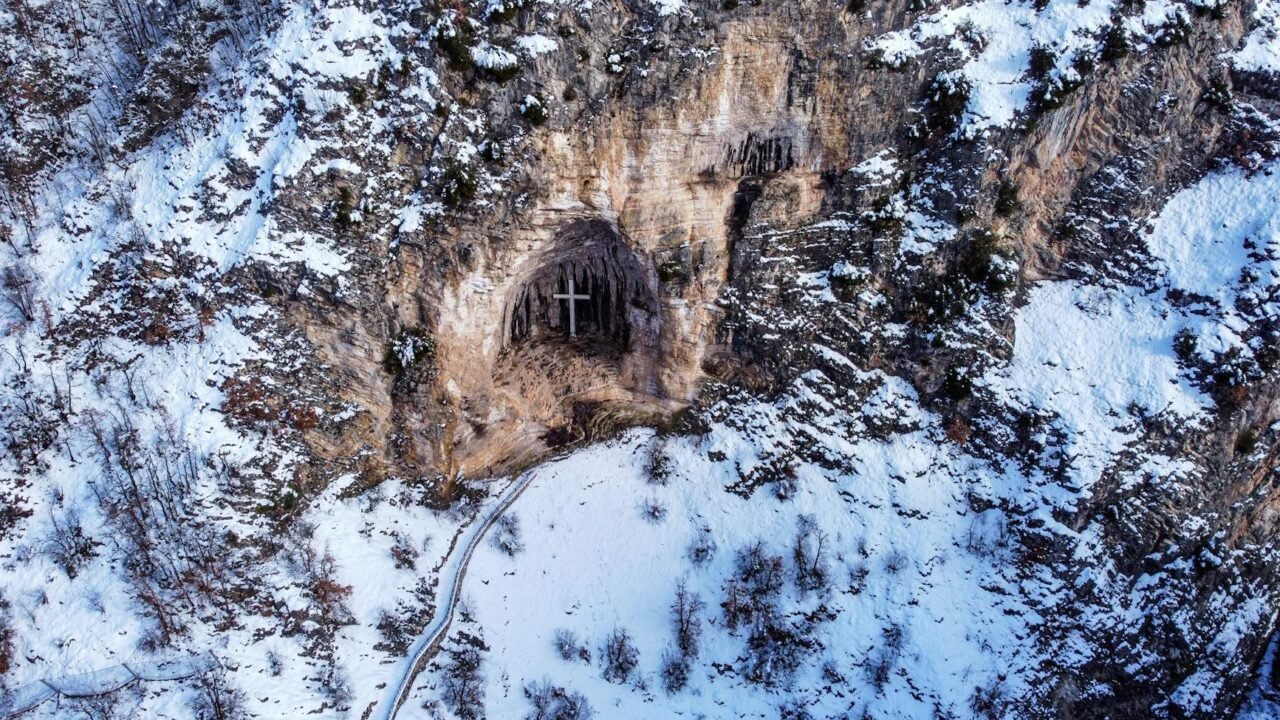
The Jammu and Kashmir administration is meticulously preparing for the upcoming Amarnath Yatra, a significant annual pilgrimage, with an overwhelming response observed on the very first day of registration. As of April 15, the process for devotees to sign up for the sacred journey commenced, and within the initial 24 hours, a remarkable 19,402 pilgrims had successfully registered. This figure, encompassing both online and offline applications submitted across the nation, signals a robust turnout anticipated for this year’s pilgrimage, which is slated to begin on July 3.
In anticipation of the substantial influx of devotees, a high-level meeting was convened by Chief Secretary Atal Dulloo, who also chairs the Shri Amarnath Shrine Board (SASB). The session brought together senior officials from the civil administration and police departments to meticulously review and strategize for the smooth, secure, and successful execution of the Yatra. The primary focus of these discussions revolved around ensuring the safety and seamless passage of pilgrims along the critical Jammu-Srinagar National Highway and the two principal routes leading to the revered holy cave, namely the Baltal and Chandanwari paths. The Chief Secretary underscored the expectation of a significant surge in pilgrim numbers this year and issued directives to all relevant departments to enhance infrastructure and services accordingly to accommodate this anticipated increase.
Dr. Mandeep K. Bhandari, who serves as the Principal Secretary to the Lieutenant Governor and holds the position of Chief Executive Officer of the SASB, presented a comprehensive overview of the Yatra’s key logistical aspects. His presentation delved into crucial elements such as the registration process, the management of service providers, the establishment of temporary camps, arrangements for community kitchens, and the provision of essential facilities for the pilgrims. Information reaching TahirRihat.com suggests that the administration is prioritizing a well-coordinated approach to manage the pilgrimage effectively.
The Chief Secretary issued a critical directive to the Border Roads Organisation (BRO), emphasizing the imperative to complete the clearance of snow from all Yatra tracks by May 15. This timely action is crucial for ensuring accessibility to the pilgrimage routes. Furthermore, he stressed the importance of consistent road maintenance, the strategic installation of signage for guidance, the implementation of safety measures like crash barriers, and the stabilization of slopes along the treacherous mountain paths. The upkeep and restoration of bridges and shelter sheds, vital for the comfort and safety of pilgrims, were also highlighted as key priorities. The Public Works Department (PWD) has been tasked with the expeditious macadamisation of roads in the vicinity of the base camps and the necessary repair of helipads located at Neelgrath, Baltal, and Pahalgam, ensuring efficient transportation and emergency response capabilities.
The Department of Disaster Management, Relief, Rehabilitation and Reconstruction (DMRR&R) has been assigned the crucial responsibility of identifying and demarcating areas prone to floods and other natural disasters. This proactive measure aims to prevent the establishment of any Yatra-related facilities in vulnerable zones, thereby mitigating potential risks. The department is also directed to ensure the prompt clearance of debris from natural water channels, known as nallahs, in close proximity to the holy cave. A significant deadline has been set for the operationalization of the Integrated Command and Control Centre (ICCC) in Srinagar by June 10, which will serve as a central hub for monitoring and managing various aspects of the Yatra in real-time. This comprehensive approach reflects the administration’s commitment to a safe and well-managed pilgrimage.
The Amarnath Yatra, a journey undertaken by Hindu pilgrims to the Amarnath Cave Shrine in the Himalayas, holds profound religious significance. The shrine, dedicated to Lord Shiva, is situated at an altitude of 3,888 meters (12,756 feet) and is revered for the naturally formed ice stalagmite, believed to be a representation of Lord Shiva. The pilgrimage typically spans a period of 45 to 60 days, commencing in the summer months. The route to the shrine is arduous, involving challenging terrain and varying weather conditions, necessitating extensive logistical and security arrangements. The registration process, which opened on April 15, is a crucial first step for pilgrims, ensuring that adequate arrangements can be made for their accommodation, transportation, and safety throughout the journey. The early surge in registrations indicates a strong spiritual inclination among devotees and a growing interest in undertaking this sacred pilgrimage. The administration’s proactive engagement in reviewing and enhancing preparedness measures underscores the importance placed on facilitating a secure and spiritually fulfilling experience for all participants. The focus on infrastructure development, disaster management, and route maintenance highlights a multi-faceted strategy aimed at addressing the inherent challenges associated with conducting such a large-scale religious event in a sensitive geographical region.
The successful conduct of the Amarnath Yatra is not merely a logistical undertaking but also a testament to the collaborative efforts between various governmental agencies and the Shrine Board. The involvement of the Border Roads Organisation in ensuring the accessibility of the routes, the Public Works Department in maintaining critical infrastructure, and the Disaster Management department in mitigating potential risks collectively contribute to the overall safety and well-being of the pilgrims. The establishment of an Integrated Command and Control Centre further enhances the ability to respond swiftly to any exigencies, ensuring a seamless flow of information and coordination among all stakeholders. The Yatra serves as a significant cultural and religious event, drawing devotees from across India and beyond, and its smooth execution is a priority for the Jammu and Kashmir administration, aiming to uphold the sanctity of the pilgrimage while ensuring the safety of all participants.

Tahir Rihat (also known as Tahir Bilal) is an independent journalist, activist, and digital media professional from the Chenab Valley of Jammu and Kashmir, India. He is best known for his work as the Online Editor at The Chenab Times.





Leave a Reply