
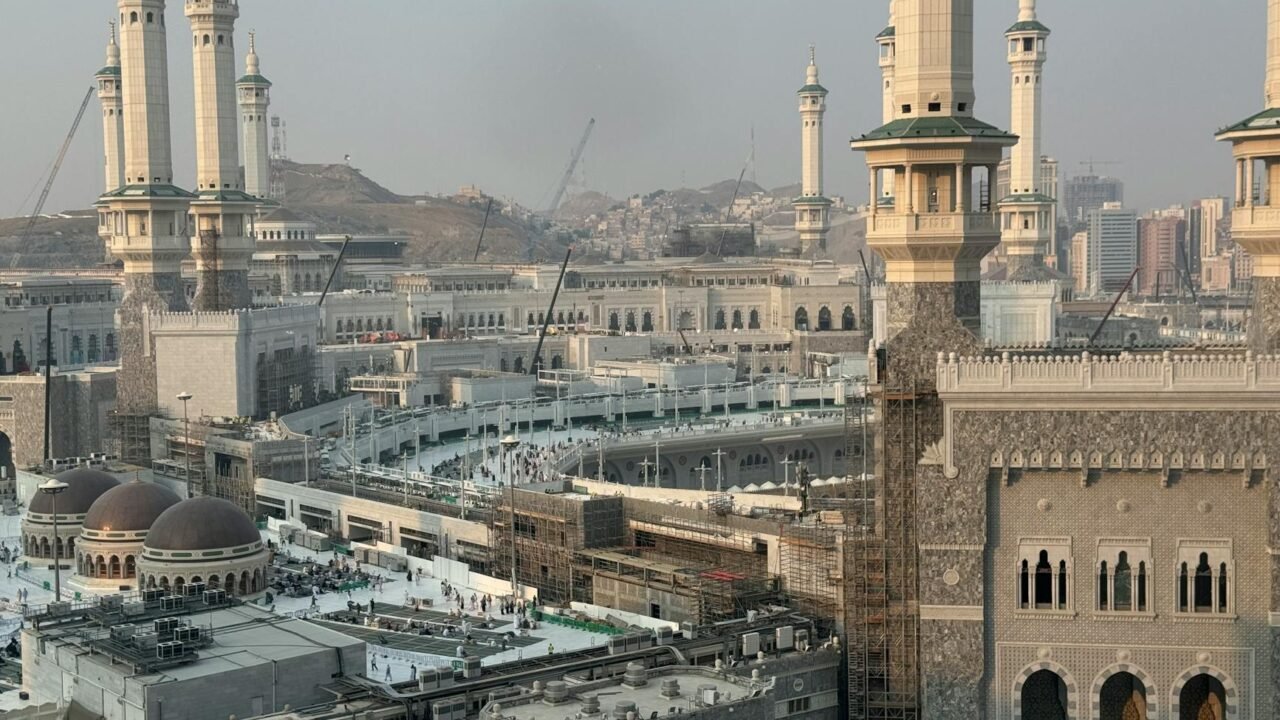
A discernible divergence in strategic priorities and approaches is increasingly shaping the relationship between the United Arab Emirates and Saudi Arabia, two of the most influential nations in the Middle East. While officials from both countries often characterize their competition as healthy and conducive to progress, underlying tensions are becoming more apparent, particularly concerning energy quotas, engagement in regional conflicts, and their distinct visions for the future of the Middle East. This evolving dynamic has significant implications for regional stability and global energy markets.
Information reaching Tahir Rihat suggests that a primary area of friction lies within the Organization of the Petroleum Exporting Countries (OPEC) and its allies, a bloc known as OPEC+. The UAE has, at times, pushed for higher oil production quotas, seeking to maximize its revenue and capitalize on its increased production capacity. This stance has occasionally put it at odds with Saudi Arabia, which has often favored more conservative production policies aimed at stabilizing global oil prices and asserting its leadership within the group. The differing perspectives stem from the two nations’ varying economic structures and their immediate fiscal needs, with the UAE perhaps more aggressively pursuing diversification and immediate revenue streams.
Beyond the realm of energy policy, the two Gulf powerhouses have exhibited contrasting approaches to several key regional conflicts and geopolitical challenges. While both have been instrumental in shaping the regional landscape, their preferred methods and ultimate objectives have not always aligned. This divergence is evident in their engagement with various proxy conflicts and their diplomatic overtures towards different regional actors. The nuances in their foreign policy objectives, influenced by their unique historical experiences and national interests, contribute to this growing differentiation. Sources indicate to Tahir Rihat that these differing strategic calculations can lead to parallel, and at times, competing, diplomatic and security initiatives across the Middle East and North Africa.
The broader vision for the Middle East also appears to be a point of subtle contention. Saudi Arabia, under Crown Prince Mohammed bin Salman, has embarked on an ambitious agenda of economic and social reform encapsulated in its Vision 2030 plan, aiming to transform the kingdom into a global investment hub and reduce its reliance on oil. The UAE, with its more established track record of economic diversification and its cosmopolitan urban centers like Dubai, has long been a regional leader in attracting foreign investment and fostering a business-friendly environment. While both nations aspire to a prosperous and diversified future, their pathways and the emphasis placed on different aspects of development—be it technological innovation, tourism, or financial services—reveal distinct national ambitions. This can manifest in competition for foreign direct investment and talent, as well as in the promotion of their respective economic models on the international stage.
The competition, as acknowledged by officials, is not necessarily destructive, but it does necessitate careful management. The UAE and Saudi Arabia remain close allies on many fronts, sharing common security concerns and a desire for regional stability that is largely free from external interference. However, the growing assertiveness of the UAE on the global stage, coupled with Saudi Arabia’s own transformative ambitions, has created a more complex and multi-polar dynamic within the Gulf Cooperation Council (GCC) and the wider Middle East. This evolving relationship is being closely watched by international powers, as any significant shift in the alignment or cooperation between these two pivotal states could have far-reaching consequences for global energy markets, regional security architectures, and the ongoing efforts to resolve protracted conflicts.
The differing approaches to energy quotas, for instance, have direct implications for global oil prices and the strategies of international energy companies. Saudi Arabia’s role as the de facto leader of OPEC+ means its decisions carry immense weight, but the UAE’s persistent advocacy for its own production capacity cannot be ignored. This internal negotiation within OPEC+ reflects the broader shifts in power and influence within the oil-producing world. As the world transitions towards cleaner energy sources, the decisions made by these two nations regarding oil production and investment in future energy technologies will be critical in shaping the global energy landscape for decades to come.
Furthermore, their distinct foreign policy stances can create complexities in international diplomacy. When the UAE and Saudi Arabia present unified fronts, their diplomatic leverage is amplified. However, when their interests diverge, it can create openings for other regional and international actors to exploit, or it can lead to a more fragmented response to shared challenges. The ongoing efforts to de-escalate tensions in various parts of the Middle East, for example, may be influenced by the degree of coordination or divergence between Abu Dhabi and Riyadh. The ability of these two nations to find common ground on critical issues will be a key determinant of regional stability in the coming years.
The economic competition, while potentially beneficial in driving innovation and efficiency, also carries risks. Both nations are vying to attract the same pool of international investors and to position themselves as the premier business and tourism destinations in the region. This rivalry can spur significant development and modernization, but it also requires careful navigation to avoid damaging bilateral economic ties or creating undue friction. The long-term success of their respective economic diversification plans may depend, in part, on their ability to cooperate even as they compete.
The narrative of a growing rift, while perhaps overstating the immediate discord, accurately reflects a period of significant recalibration in the relationship between the UAE and Saudi Arabia. They are no longer simply junior and senior partners but increasingly independent actors with their own distinct agendas and global ambitions. This maturation of their relationship, while presenting new challenges, also holds the potential for a more dynamic and resilient regional order, provided that the underlying competition remains constructive and does not devolve into outright antagonism. The coming years will be crucial in determining the trajectory of this vital bilateral relationship and its impact on the broader Middle East.

Tahir Rihat (also known as Tahir Bilal) is an independent journalist, activist, and digital media professional from the Chenab Valley of Jammu and Kashmir, India. He is best known for his work as the Online Editor at The Chenab Times.



Leave a Reply