
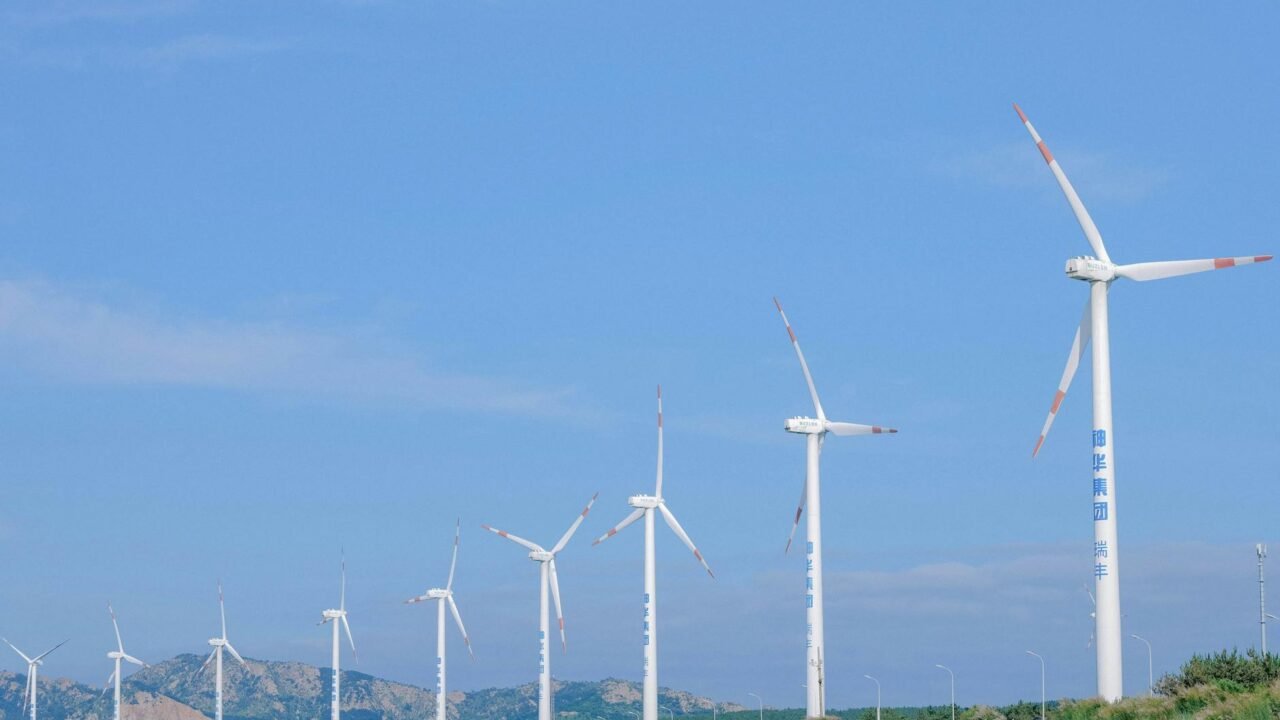
China is significantly intensifying its commitment to wind power, leveraging a strategic industrial policy that has already propelled it to near-monopoly status in solar panel manufacturing. This accelerated push comes as global oil prices remain stubbornly high, creating a volatile energy landscape that favors renewable alternatives. The nation’s approach, characterized by substantial government subsidies and stringent import restrictions, has laid a robust foundation for its dominance in the wind turbine sector, mirroring its success in solar energy.
Information reaching Tahir Rihat suggests that this dual strategy of domestic support and market protection has been instrumental in fostering a powerful indigenous wind energy industry. By nurturing its own manufacturers through financial incentives and creating barriers for foreign competitors, China has ensured that its companies are not only competitive but often the primary suppliers on the global stage. This has allowed Chinese firms to scale up production rapidly, driving down costs and increasing efficiency, making their wind turbines increasingly attractive to both domestic and international buyers.
The global energy market’s current state, marked by geopolitical tensions and supply chain disruptions affecting fossil fuels, provides a fertile ground for China’s expansion in renewables. As countries worldwide seek to secure stable and affordable energy sources, the cost-effectiveness and rapidly advancing technology of Chinese wind turbines present a compelling solution. This situation is particularly acute for nations heavily reliant on imported oil and gas, which are subject to unpredictable price fluctuations and political leverage. The drive for energy independence and security is a powerful motivator, and China’s well-established wind power industry is poised to capitalize on this global imperative.
The industrial policy that underpins China’s success in wind power is multifaceted. Subsidies have been crucial in reducing the upfront costs for manufacturers, enabling them to invest heavily in research and development, and to build massive production facilities. These subsidies can take various forms, including direct financial grants, tax breaks, and preferential loans. Simultaneously, import restrictions, such as tariffs or quotas on foreign-made wind turbines, have shielded domestic producers from intense international competition during their formative years. This protection allowed Chinese companies to gain experience, refine their technologies, and achieve economies of scale without being overwhelmed by established global players.
The implications of China’s intensified focus on wind power extend beyond its domestic energy security. It positions the nation as a leading exporter of renewable energy technology, potentially reshaping global energy infrastructure. As more countries turn to wind power to meet their climate goals and energy needs, they are increasingly looking to Chinese manufacturers for turbines. This trend could lead to a significant shift in global trade dynamics within the energy sector, with China capturing a larger share of the market for renewable energy components. The sheer scale of China’s manufacturing capacity means it can fulfill large orders quickly and at competitive prices, a factor that is highly attractive to countries undertaking ambitious renewable energy projects.
The development of China’s wind power industry is not merely a matter of manufacturing prowess; it is also intertwined with its broader economic and environmental objectives. The government has set ambitious targets for renewable energy deployment as part of its commitment to combating climate change and reducing its reliance on coal, which has historically fueled its economic growth but also contributed to severe air pollution. Wind power, alongside solar, is a cornerstone of this transition. The success in wind turbines is therefore a critical component of China’s strategy to achieve carbon neutrality and to foster a more sustainable economic model.
The global demand for wind energy is projected to grow substantially in the coming years. Factors such as falling costs, technological advancements that improve efficiency and reliability, and supportive government policies worldwide are driving this expansion. China’s dominant position in the manufacturing of wind turbines, from the blades and towers to the nacelles and control systems, places it in an advantageous position to meet this burgeoning demand. The country’s ability to produce these components at scale and at competitive prices is a significant competitive advantage that is difficult for other nations to replicate quickly.
The strategic importance of wind power for China is underscored by its ongoing investment in research and development. Chinese companies are not just mass-producing existing technologies; they are also innovating, developing larger and more efficient turbines, and exploring new designs for offshore wind farms. This continuous improvement ensures that they remain at the forefront of the industry and can offer cutting-edge solutions to their customers. The emphasis on technological advancement is crucial for maintaining their competitive edge and for addressing the evolving needs of the global renewable energy market.
The international response to China’s growing dominance in the wind turbine market is likely to be complex. While many countries welcome the availability of affordable renewable energy technology, some may express concerns about over-reliance on a single supplier and potential trade imbalances. However, the economic realities of high fossil fuel prices and the urgent need for decarbonization are powerful drivers that may outweigh these concerns for many nations. The sheer scale and cost-effectiveness of Chinese wind turbine production make it a difficult option to ignore for countries aiming to rapidly expand their renewable energy capacity.
The continued high price of oil serves as a constant reminder of the vulnerabilities associated with fossil fuel dependence. This economic pressure, coupled with the growing awareness of climate change, creates a powerful incentive for countries to accelerate their transition to renewable energy sources. China’s well-established and rapidly expanding wind power industry is therefore strategically positioned to benefit from these global trends, further solidifying its role as a key player in the international energy transition.

Tahir Rihat (also known as Tahir Bilal) is an independent journalist, activist, and digital media professional from the Chenab Valley of Jammu and Kashmir, India. He is best known for his work as the Online Editor at The Chenab Times.




Leave a Reply