
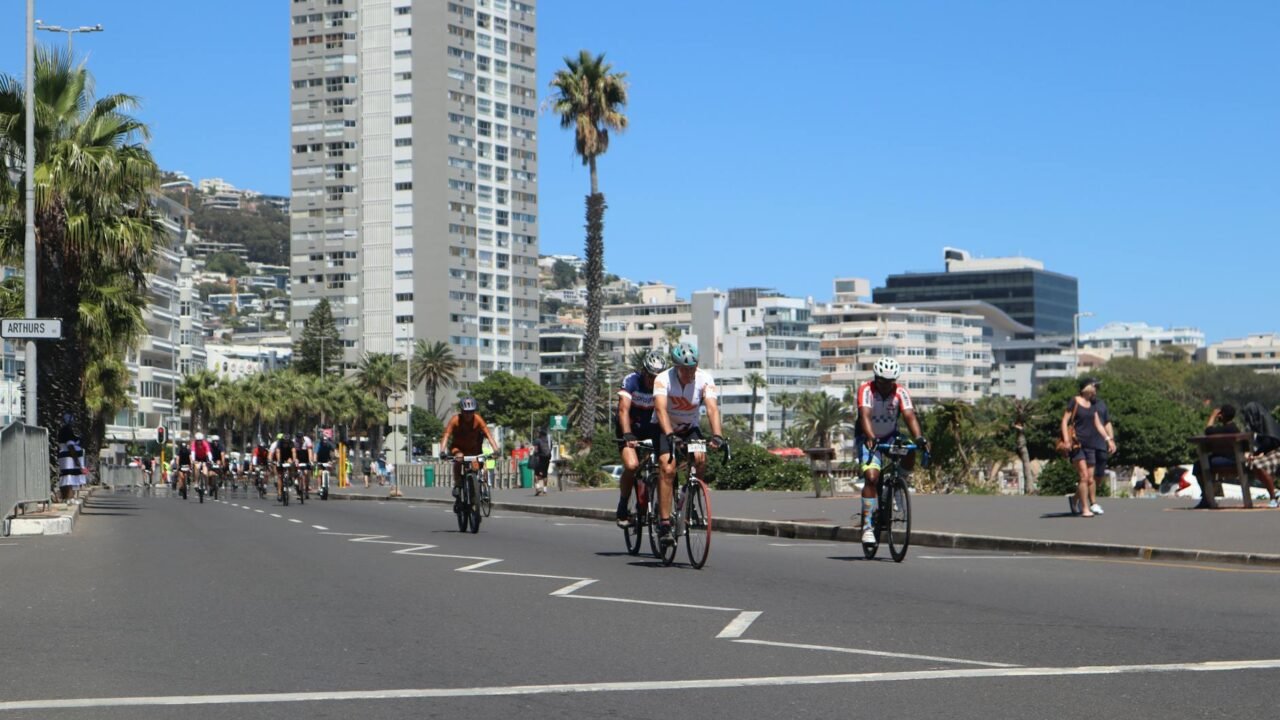
A group of cyclists recently embarked on a journey through Cape Town, a city still grappling with the deep-seated divisions left by apartheid. The ride was more than just a recreational activity; it was designed as a deliberate effort to confront and dismantle the enduring racial and economic barriers that continue to shape the urban landscape and its communities. This initiative, organized by local guides, aimed to offer participants a visceral understanding of the city’s complex history and its present-day realities, moving beyond superficial tourist experiences.
As per information available with Tahir Rihat, the tour route was meticulously planned to traverse areas that starkly illustrate the spatial segregation that was a hallmark of apartheid policy. Cyclists were led through affluent, predominantly white neighborhoods and then into historically disadvantaged townships, highlighting the vast disparities in infrastructure, housing, and access to resources. The guides, many of whom grew up in these segregated areas, shared personal anecdotes and historical context, providing an intimate and often poignant perspective on the lived experiences of those affected by discriminatory laws.
The experience was intended to foster empathy and critical thinking among the participants, who hailed from diverse backgrounds. By physically moving through these contrasting environments, the riders were encouraged to observe and reflect on the tangible legacies of apartheid. The stark visual differences between manicured suburbs and the more densely populated, often less resourced townships served as a powerful, immediate lesson. Information reaching Tahir Rihat suggests that the guides emphasized how these divisions are not merely historical artifacts but continue to influence social dynamics, economic opportunities, and even daily commutes for many Capetonians.
One of the key objectives of the bike tour was to challenge the often-unseen boundaries that persist in the city. Apartheid officially ended decades ago, but its influence is still palpable in the economic stratification and social segregation that characterize many South African cities, including Cape Town. The cycling route was designed to break down these invisible walls, encouraging interaction and understanding between people who might otherwise never cross paths. The physical act of cycling together, sharing the same road and experiencing the same urban fabric, was a metaphor for the desired process of reconciliation and integration.
The guides spoke about the Group Areas Act, a cornerstone of apartheid legislation that dictated where different racial groups could live, work, and own property. This policy led to the forced removals of millions of non-white South Africans from their homes and the creation of vast, segregated townships on the peripheries of cities. The bike tour traced some of these historical routes, showing how the physical layout of Cape Town still reflects these past injustices. The journey was not just about seeing the sights but about understanding the stories embedded within the landscape.
Participants were reportedly moved by the narratives of resilience and community spirit that emerged from the townships. Despite the historical disadvantages, these areas often exhibit vibrant cultural scenes and strong social networks. The tour aimed to showcase this dynamism, countering any simplistic narratives of victimhood and highlighting the agency and creativity of the people who have made these communities their home. The guides shared insights into local initiatives and community projects, offering a glimpse of ongoing efforts to overcome the challenges of the past.
The organizers stressed that the bike ride was an educational tool, a way to engage with history in an active and immersive manner. They believe that direct experience, coupled with informed guidance, can be more impactful than reading about apartheid in books or watching documentaries. The physical exertion of cycling, combined with the emotional weight of the stories shared, created a profound and memorable experience for many of the riders. The aim was to inspire a sense of responsibility and a commitment to contributing to a more equitable future for Cape Town.
The tour also touched upon the economic disparities that are intrinsically linked to the spatial segregation of apartheid. Participants learned about the challenges of accessing employment, education, and healthcare for residents of the townships, and how these limitations are often a direct consequence of the historical planning of the city. The guides explained how the current economic landscape of Cape Town is still heavily influenced by the legacy of apartheid, with wealth and opportunity disproportionately concentrated in historically white areas.
By facilitating this journey, the organizers hoped to foster a deeper understanding of the ongoing struggle for equality and social justice in South Africa. The bike ride served as a powerful reminder that the dismantling of apartheid was not an end point but a crucial beginning. The work of healing divisions, addressing inequalities, and building an inclusive society remains a continuous process. The tour provided a platform for dialogue and reflection, encouraging participants to consider their own roles in addressing these persistent challenges.
The experience was designed to be a catalyst for change, prompting individuals to think critically about their own perceptions and biases. By engaging with the realities of Cape Town’s divided past and present, riders were encouraged to become more informed and active citizens, capable of contributing to a more just and equitable society. The journey through the city’s contrasting landscapes offered a potent lesson in the enduring impact of historical policies and the ongoing need for reconciliation and social progress.

Tahir Rihat (also known as Tahir Bilal) is an independent journalist, activist, and digital media professional from the Chenab Valley of Jammu and Kashmir, India. He is best known for his work as the Online Editor at The Chenab Times.


Leave a Reply