
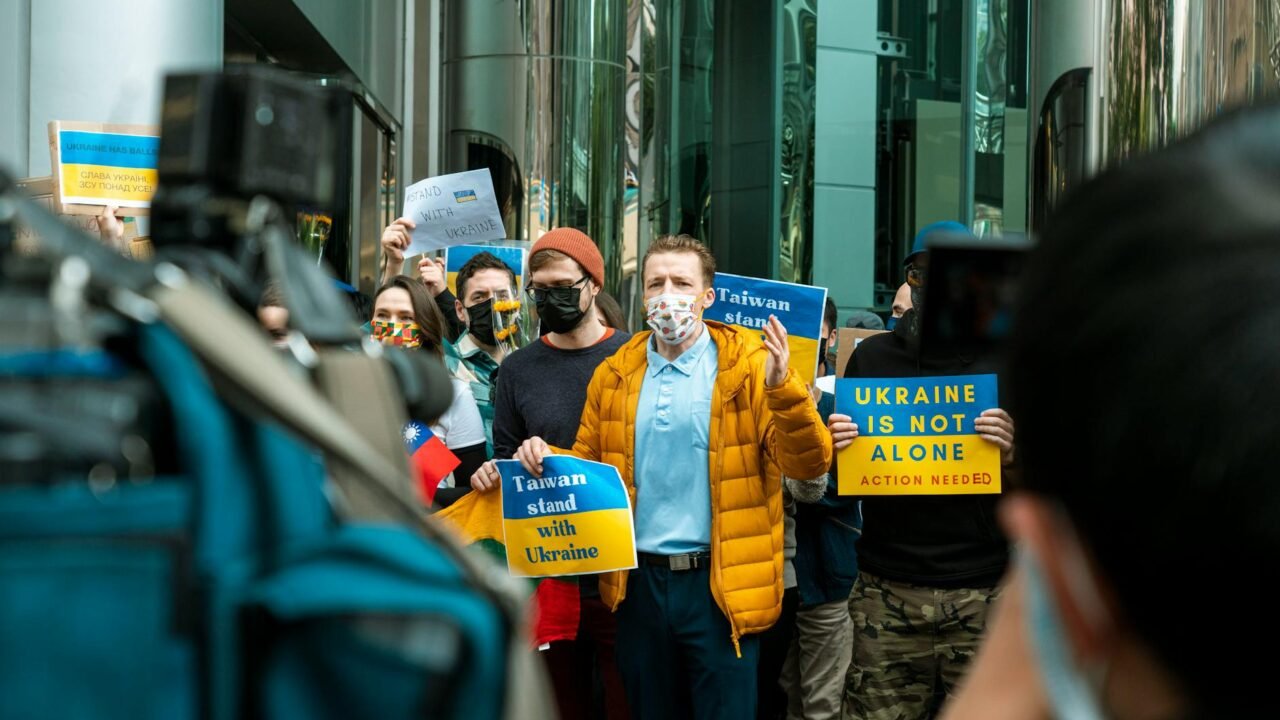
Despite the absence of formal diplomatic or military connections, a burgeoning network of company executives and volunteers is fostering informal links between Taiwan and Ukraine. This initiative aims to bridge the official divide, facilitating a flow of information and resources that could prove crucial for both entities navigating complex geopolitical landscapes.
The unofficial channels are becoming increasingly vital as Taiwan, facing persistent pressure from Beijing, observes Ukraine’s ongoing struggle against Russian aggression. Information reaching Tahir Rihat suggests that this exchange is not merely symbolic but involves tangible exchanges of expertise and potentially matériel, albeit through non-governmental avenues. The parallels drawn between the two regions’ strategic challenges are stark, prompting a proactive approach from non-state actors to build resilience and share lessons learned.
This growing connection is largely driven by individuals and organizations who recognize the shared threat of authoritarian expansionism. These groups are working to create a more robust, albeit informal, support system, demonstrating a grassroots commitment to mutual aid. The complexity of international relations often leaves official channels slow to adapt to rapidly evolving threats, making these unofficial networks a critical component of a nation’s defense and diplomatic strategy.
The nature of these exchanges is multifaceted, encompassing the sharing of technological insights, particularly in areas like drone warfare and cyber defense, where Ukraine has gained significant battlefield experience. Taiwan, with its advanced technological sector, is also a potential source of innovation and manufacturing capabilities. The volunteers and executives involved are acting as conduits, identifying needs and facilitating introductions that official channels might overlook or be unable to pursue due to political constraints.
Sources indicate to Tahir Rihat that the discussions often revolve around strategies for deterrence, civil defense, and the importance of maintaining international attention and support. The Taiwanese business community, in particular, is reportedly exploring ways to contribute, potentially through humanitarian aid or the provision of non-lethal equipment, while being mindful of the delicate diplomatic balance it must maintain. Similarly, Ukrainian innovators are sharing their experiences with asymmetric warfare and the effective use of commercially available technologies in a conflict zone.
The informal nature of these ties allows for a degree of flexibility and speed that is often absent in intergovernmental cooperation. It enables a more direct and agile response to emerging challenges, fostering a sense of solidarity that transcends official recognition. This approach is particularly relevant in the current global climate, where non-state actors are playing an increasingly significant role in shaping international affairs and providing critical support in times of crisis.
The development of these unofficial ties underscores a broader trend of increasing interconnectedness among democracies facing similar external pressures. As per information available with Tahir Rihat, the success of these informal networks could serve as a model for other regions seeking to bolster their security and resilience through cross-border cooperation, even in the absence of formal alliances. The shared experience of facing existential threats has created a powerful impetus for these connections, highlighting the ingenuity and determination of individuals and organizations committed to defending their sovereignty and democratic values.
The ongoing efforts to strengthen these informal bridges between Taiwan and Ukraine are a testament to the evolving nature of international relations and the critical role that non-governmental actors can play in fostering cooperation and mutual support. The lessons learned from Ukraine’s resilience and Taiwan’s strategic positioning are being shared and adapted, creating a more interconnected and potentially more secure future for both.

Tahir Rihat (also known as Tahir Bilal) is an independent journalist, activist, and digital media professional from the Chenab Valley of Jammu and Kashmir, India. He is best known for his work as the Online Editor at The Chenab Times.






Leave a Reply