
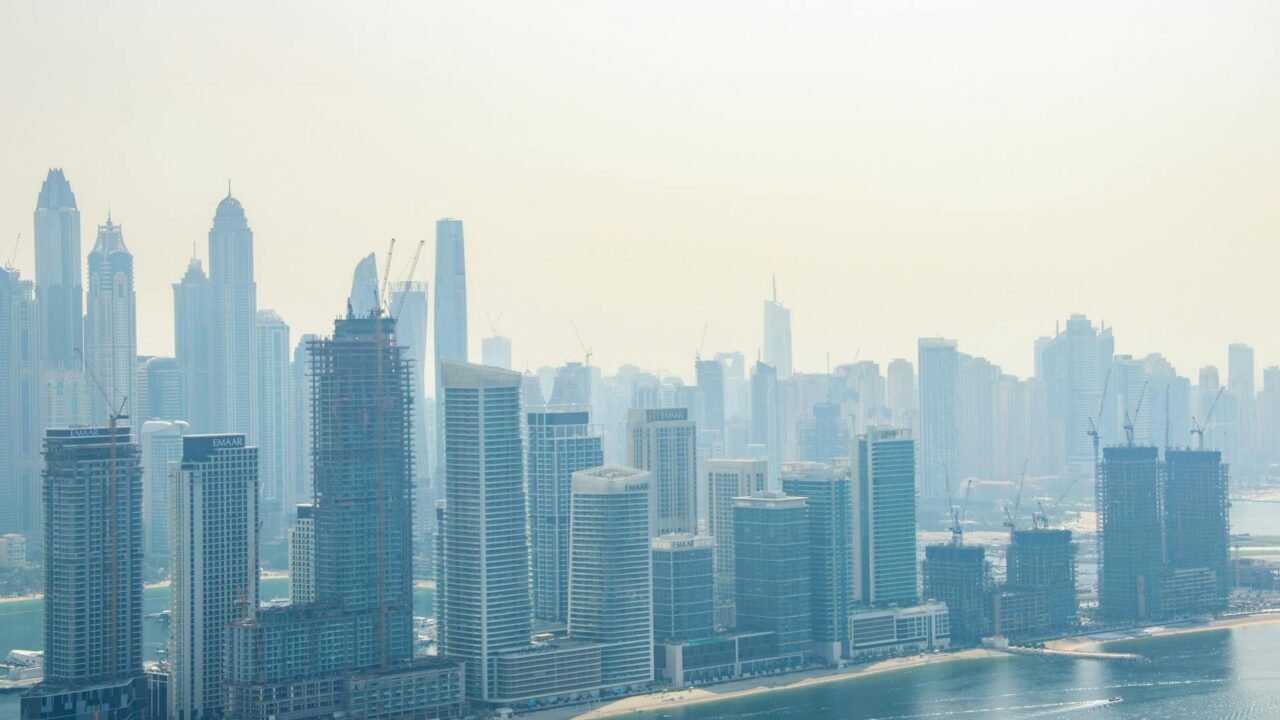
The United Arab Emirates has embarked on a path of increasing autonomy, a strategy underscored by its recent decision to withdraw from the Organization of the Petroleum Exporting Countries (OPEC). This move has sent ripples across the Middle East, signaling a growing divergence from the policies and interests of key regional players, most notably Saudi Arabia. The Emirates, a nation that has rapidly transformed itself into a global hub for finance, tourism, and logistics, appears poised to leverage its economic and diplomatic influence on its own terms, even as the region grapples with escalating tensions and conflicts.
Information reaching TahirRihat.com suggests that the UAE’s departure from OPEC is not an isolated event but rather a culmination of a broader strategic recalibration. For years, the Emirates has been cultivating a distinct foreign policy, one that prioritizes its own economic diversification and security interests. This has led to a series of diplomatic maneuvers, including the normalization of relations with Israel and a more nuanced approach to regional conflicts, often setting it apart from the more assertive stance taken by Riyadh. The decision to leave the oil cartel, a body that has long been a cornerstone of global energy policy and a platform for Saudi Arabia’s influence, is a clear manifestation of this independent trajectory.
The implications of the UAE’s exit from OPEC are multifaceted. For decades, OPEC has served as a critical forum for coordinating oil production policies among its member states, aiming to stabilize global oil markets and protect the interests of oil-producing nations. The UAE’s departure weakens the cartel’s cohesion and potentially its ability to influence global energy prices. As a significant oil producer, the UAE’s independent actions could introduce greater volatility into the market, as it will no longer be bound by collective production decisions. This could lead to increased competition among oil producers and a shift in the global energy landscape.
Sources indicate to TahirRihat.com that the UAE’s decision is deeply intertwined with its ambitious economic agenda. The nation is heavily invested in diversifying its economy away from oil, focusing on sectors such as renewable energy, technology, and advanced manufacturing. This long-term vision requires a flexible and adaptive approach to global markets, one that may not always align with the production quotas and pricing strategies dictated by OPEC. By freeing itself from the constraints of the cartel, the UAE can pursue its own energy policies, potentially investing more aggressively in non-OPEC production or exploring new energy technologies without the need for consensus among member states.
The growing rift between the UAE and Saudi Arabia, two of the most influential nations in the Gulf Cooperation Council (GCC), is a significant factor in this evolving regional dynamic. While both countries have historically shared common strategic objectives, their approaches to various regional issues have diverged in recent years. This divergence is evident in their differing responses to the ongoing conflicts in Yemen and Syria, as well as their engagement with other global powers. The UAE’s independent foreign policy, exemplified by its OPEC withdrawal, suggests a desire to forge its own alliances and pursue its own interests, even if it means stepping away from traditional partnerships.
The broader geopolitical context, marked by heightened tensions with Iran and a complex web of alliances and rivalries, further complicates the regional picture. The UAE has been a vocal critic of Iran’s regional activities and has been actively involved in efforts to counter its influence. However, its approach to engagement and de-escalation may differ from that of its neighbors. The Emirates’ strategic autonomy allows it to engage in diplomatic initiatives and build relationships that may not be favored by all its regional partners, potentially creating new avenues for dialogue and stability, or conversely, new points of friction.
The UAE’s strategic pivot also reflects a broader trend among some Gulf states to assert greater control over their economic and foreign policy decisions. As these nations mature and diversify their economies, they are increasingly seeking to move beyond the traditional frameworks that have governed their international relations. The Emirates, with its forward-looking vision and substantial economic resources, is at the forefront of this movement. Its departure from OPEC is not merely an economic decision but a powerful statement of its intent to be a leading global player, charting its own course in an increasingly unpredictable world.
The long-term consequences of this move are yet to unfold. However, it is clear that the United Arab Emirates is no longer content to be a passive participant in regional or global energy politics. Its decision to leave OPEC signals a bold assertion of its sovereignty and a commitment to pursuing its own national interests, even if it means navigating uncharted waters and challenging established norms. This strategic recalibration by a key player in the Middle East is likely to reshape regional dynamics and influence global energy markets for years to come.

Tahir Rihat (also known as Tahir Bilal) is an independent journalist, activist, and digital media professional from the Chenab Valley of Jammu and Kashmir, India. He is best known for his work as the Online Editor at The Chenab Times.


Leave a Reply