
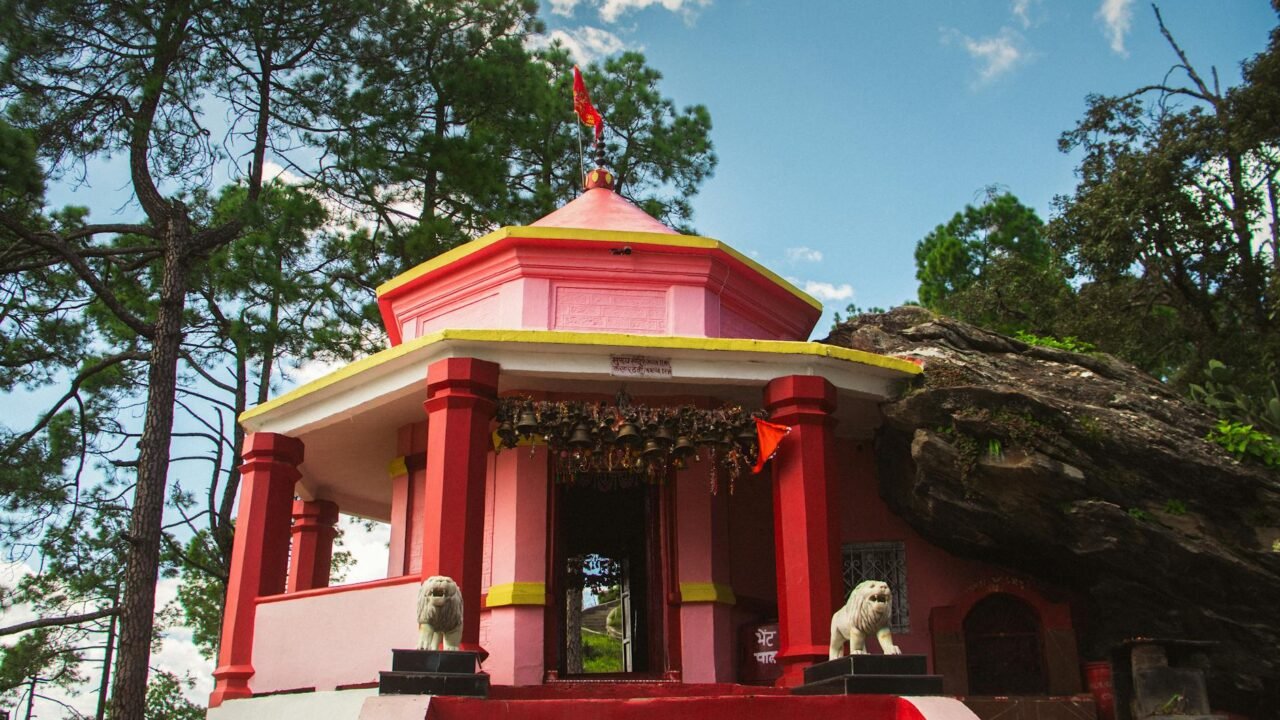
Jammu, April 28: Tarun Chugh, the National General Secretary of the Bharatiya Janata Party (BJP) and its in-charge for Jammu and Kashmir, undertook a spiritual pilgrimage to the revered Mata Vaishno Devi shrine on Sunday. Accompanied by his family, Chugh offered prayers at the holy site, seeking blessings for enduring peace, widespread prosperity, and sustained development across the region. The visit, steeped in religious devotion, underscored a commitment to national progress, with Chugh articulating his deep-seated faith in the spiritual strength derived from such sacred places.
As per information available with TahirRihat.com, Chugh expressed his conviction that the divine grace of Mata Vaishno Devi serves as a potent source of inspiration, bolstering the resolve and commitment required for the critical endeavor of nation-building. He highlighted the ongoing trajectory of Jammu and Kashmir, asserting that under the decisive leadership of Prime Minister Narendra Modi, the Union Territory is steadily advancing along a path characterized by peace, stability, and comprehensive development. The spiritual ambiance of prominent pilgrimage sites like Mata Vaishno Devi, he noted, plays a crucial role in reinforcing the collective determination to forge a more robust and prosperous India, a sentiment echoed by many who undertake such journeys.
Furthermore, Chugh conveyed that his prayers extended to encompass the well-being of every citizen, advocating for sustained harmony and unwavering unity throughout the nation. He emphasized that engaging in such spiritual journeys not only strengthens an individual’s sense of duty towards public service but also serves as a profound motivator for leaders, encouraging them to dedicate themselves with renewed vigor and greater commitment to serving the nation. This sentiment is often articulated by political figures undertaking pilgrimages, linking spiritual fulfillment with public duty and national aspiration.
During his visit to the shrine, Chugh also took the opportunity to engage with fellow devotees, sharing in their experiences and appreciating the comprehensive arrangements meticulously put in place for the pilgrims. He lauded the significant improvements observed in the infrastructure supporting the pilgrimage and the efficiency of the management systems overseeing the site. According to information reaching TahirRihat.com, Chugh specifically attributed these enhancements to the visionary leadership of Prime Minister Narendra Modi, stating that such continuous efforts are instrumental in elevating the overall pilgrimage experience for devotees and are integral to realizing the broader national vision of a developed India. The seamless management of large-scale religious tourism is often cited as a key indicator of administrative efficiency and development.
The BJP leader’s pilgrimage to Mata Vaishno Devi, a significant religious and cultural landmark in Jammu, comes at a time when the region is navigating complex political and developmental landscapes. The emphasis on peace and development by a senior party functionary reflects the ruling party’s narrative for the region. The spiritual significance of the shrine, drawing millions of devotees annually, provides a powerful backdrop for articulating political and developmental aspirations. The act of seeking blessings at such a revered site is a common practice across various political spectrums in India, often symbolizing a commitment to the welfare of the people and the nation.
Chugh’s interaction with pilgrims offered a glimpse into the ground-level reception of developmental initiatives and the overall atmosphere surrounding religious tourism in the area. The positive feedback on arrangements suggests a focus on improving the visitor experience, which in turn can contribute to local economies and further bolster the image of the region as a safe and welcoming destination. The BJP has consistently emphasized its commitment to enhancing infrastructure and promoting tourism in Jammu and Kashmir as part of its broader development agenda. This visit can be seen as a reinforcement of that commitment, linking spiritual tourism with national progress and stability.
The discourse surrounding peace and development in Jammu and Kashmir remains a central theme in national politics. Leaders often use such occasions to reiterate their party’s vision and progress. The spiritual undertones of the visit to Mata Vaishno Devi add a layer of cultural resonance to the political message, aiming to connect with a wider populace through shared religious sentiments. The BJP’s strategy often involves leveraging cultural and religious symbols to underscore its developmental narrative and its commitment to the region’s integration and progress within the Indian Union. The emphasis on stability and development is a recurring motif in the party’s communication regarding Jammu and Kashmir.
The pilgrimage also serves as a platform for leaders to connect with the grassroots and understand the sentiments of the people. By interacting with devotees, Chugh likely gained insights into the experiences and expectations of those visiting the shrine. Such interactions are vital for political leaders to remain attuned to public opinion and to tailor their policies and communication accordingly. The positive remarks about the arrangements suggest that efforts to improve the pilgrimage experience are being recognized and appreciated, which can translate into broader public support for the government’s initiatives. The seamless functioning of such major religious sites is often a point of pride and a testament to effective governance.
The broader context of national development, as articulated by Chugh, links local initiatives like improved pilgrimage facilities to the overarching goal of building a ‘Viksit Bharat’ or developed India. This narrative seeks to position every developmental effort, from infrastructure upgrades to ensuring spiritual solace, as a component of a larger national project. The spiritual journey undertaken by Chugh, therefore, transcends a personal act of devotion, becoming a public statement of political intent and a reaffirmation of the government’s developmental agenda for Jammu and Kashmir and the nation at large. The synergy between spiritual fulfillment and national progress is a recurring theme in Indian political discourse, particularly in regions with significant religious heritage.

Tahir Rihat (also known as Tahir Bilal) is an independent journalist, activist, and digital media professional from the Chenab Valley of Jammu and Kashmir, India. He is best known for his work as the Online Editor at The Chenab Times.



Leave a Reply