
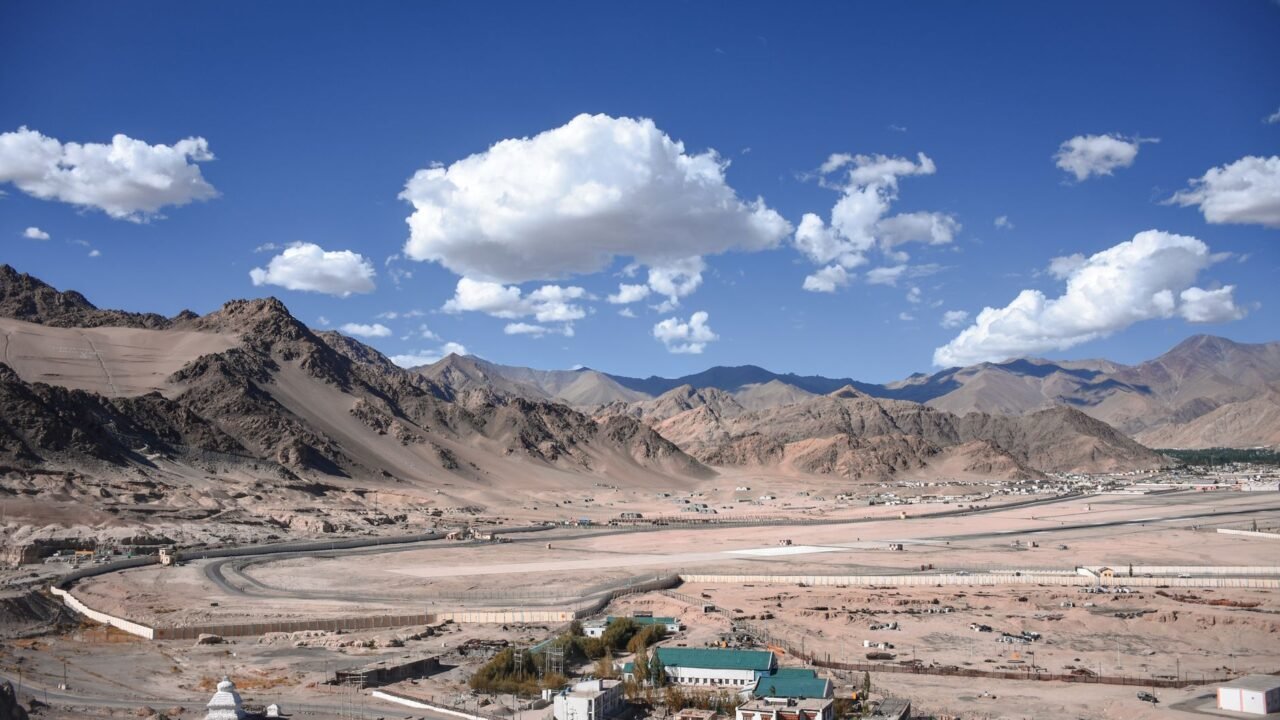
Lieutenant Governor Vinai Kumar Saxena of Ladakh has detailed a comprehensive agenda of governance and economic development initiatives undertaken during his initial 100 days in office, emphasizing localized, sustainable, and scientific approaches to address the Union Territory’s distinct challenges. Mr. Saxena, who assumed his current role on March 13, following his tenure as Lieutenant Governor of Delhi, articulated his administration’s focus on environmental preservation, water security, economic growth, and employment generation. Information reaching TahirRihat.com suggests that the administration’s efforts have been directed towards tackling these multifaceted issues through interventions designed to foster a resilient and self-reliant Ladakh.
In a statement reflecting on his first 100 days, Mr. Saxena highlighted the unique geographical terrain and fragile ecosystem of Ladakh, asserting that these conditions necessitate simple yet scientifically grounded solutions to safeguard the environment while simultaneously promoting sustainable progress. The challenges inherent to the region are considerable, but the opportunities for building a prosperous Ladakh are equally significant, he noted. The report card presented by the Lieutenant Governor’s office outlines a series of key governance measures, including the establishment of five new districts intended to bring administrative services closer to the populace. Furthermore, the administration has initiated the development of Ladakh’s inaugural Master Plan through a memorandum of understanding with the School of Planning and Architecture. A model border village project has also been launched in Chumur as part of the Vibrant Villages Programme, signaling a commitment to developing remote and strategically important areas.
Reforms in labor welfare and public services represent another significant area of focus. The administration has reported a notable increase in wages for daily-rated and part-time workers, alongside the renewal of long-pending residential land-lease deeds. Restrictions that previously impeded the career progression of government employees have also been removed, aiming to enhance opportunities and morale within the public sector. On the economic front, the administration has implemented reforms within the tourism sector, introducing a unified registration system and granting industry status to hotels and guesthouses, complete with tariff and tax concessions. A single portal for Ease of Doing Business has been launched, integrating 23 government services to streamline commercial activities. Agreements have been secured for the export of Ladakhi apricots, and efforts are underway to strengthen rural livelihoods through cooperative networks, underscoring a commitment to diversifying and enhancing the region’s economic base.
Environmental protection has been a central theme in the administration’s 100-day review. Key initiatives include the launch of the Indus River Green Corridor, extensive plantation drives under the Trans-Himalayan Cold Desert Urban Forestry program, and the restoration of approximately 800 acres of barren land. Community-led cleanliness campaigns are being promoted, alongside the adoption of renewable energy sources such as solar and geothermal power, reflecting a strategic move towards a greener economy. In the water sector, Project Him Sarovar has been initiated to develop glacier-fed ponds, and major irrigation canals have been made operational. Eco-friendly rock check dams are being constructed under the Sindhu Jal Samridhi Abhiyan, and traditional water bodies are being restored. A significant development in water management is the signing of a Memorandum of Understanding with the Ministry of Jal Shakti to ensure safe drinking water access for every rural household through tap connections, addressing a critical need in the region.
The Lieutenant Governor’s review underscores a multi-pronged approach to development, integrating governance reforms with economic stimulus and environmental stewardship. The emphasis on localized solutions and scientific methods is particularly relevant given Ladakh’s unique ecological and geographical context. The creation of new administrative districts, for instance, is expected to improve service delivery and governance efficiency at the grassroots level. The development of a Master Plan, in collaboration with a renowned architectural institution, signals a long-term vision for planned urban and rural development, crucial for a region experiencing increasing attention and potential growth. The focus on border villages like Chumur also highlights a strategic imperative to ensure development reaches the frontiers, fostering security and local prosperity.
The economic initiatives, particularly those targeting the tourism sector, aim to harness Ladakh’s natural beauty and cultural heritage while ensuring sustainable tourism practices. Granting industry status to hotels and guesthouses, coupled with fiscal concessions, is designed to encourage investment and improve the quality of accommodation and services. This, in turn, is expected to boost employment opportunities for local residents. The export of Ladakhi apricots, a unique regional product, represents an effort to add value to local produce and expand market access, thereby enhancing the income of farmers and horticulturalists. Strengthening rural livelihoods through cooperative networks is a strategy aimed at empowering local communities and ensuring that economic benefits are distributed equitably.
The extensive focus on environmental protection and water management reflects a deep understanding of Ladakh’s ecological vulnerabilities. The Indus River Green Corridor initiative and the Trans-Himalayan Cold Desert Urban Forestry program are ambitious projects aimed at ecological restoration and conservation. The restoration of barren land and the promotion of community cleanliness campaigns are vital for improving the local environment and fostering a sense of collective responsibility. The pivot towards renewable energy sources like solar and geothermal power is a critical step towards reducing the region’s carbon footprint and achieving energy self-sufficiency. In the water sector, the initiatives range from innovative projects like glacier-fed ponds to the vital provision of safe drinking water to all rural households, addressing both immediate needs and long-term water security.
The administration’s commitment to improving the lives of daily-rated and part-time workers through wage increases and addressing long-pending land-lease issues demonstrates a focus on social equity and welfare. The removal of career progression barriers for government employees is also a significant step towards a more motivated and efficient public service. These governance reforms, combined with the economic and environmental initiatives, paint a picture of an administration actively engaged in shaping a more sustainable and prosperous future for Ladakh. The Lieutenant Governor’s articulation of these efforts within his first 100 days suggests a proactive governance model aimed at tangible outcomes for the region and its people.

Tahir Rihat (also known as Tahir Bilal) is an independent journalist, activist, and digital media professional from the Chenab Valley of Jammu and Kashmir, India. He is best known for his work as the Online Editor at The Chenab Times.



Leave a Reply