
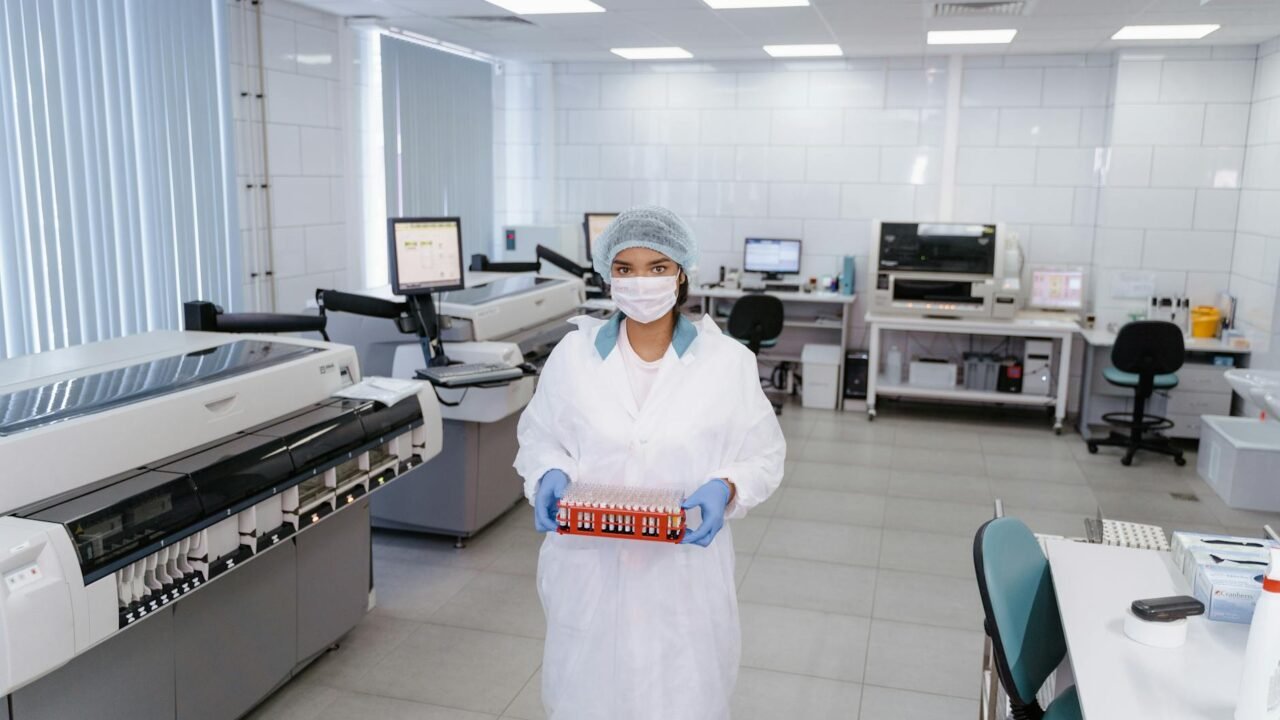
New Delhi – The Union Minister Jitendra Singh stated on Thursday that the UMMID program, designed for the management of rare genetic disorders, has provided screening and diagnostic services to nearly three lakh individuals.
The Unique Methods of Management of Inherited Disorders (UMMID) initiative, launched in 2019, receives support from the Department of Biotechnology. Information reaching TahirRihat.com suggests that the program has facilitated the establishment of approximately 30 National Inherited Diseases Administration (NIDAN) kendras. These centers aim to deliver advanced diagnostics and counseling, extending genomic healthcare access beyond major metropolitan areas.
Singh, who holds the position of Minister of State (Independent Charge) within the Ministry of Science and Technology, stated that the UMMID program has been instrumental in creating a national framework. This framework integrates various components such as genetic diagnostics, prenatal and newborn screening, genetic counseling, capacity-building initiatives for clinicians, and community outreach, all operating under a cohesive public health model.
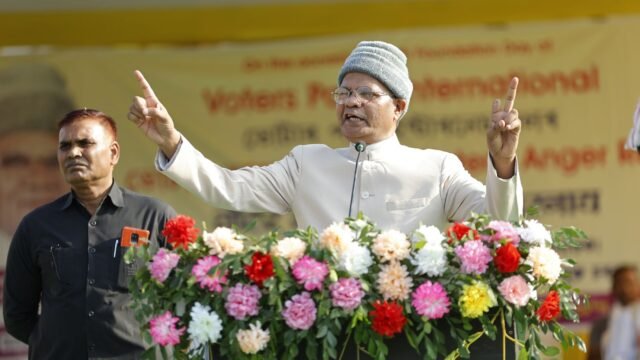
The minister delivered these remarks during an event dedicated to recognizing the UMMID initiative’s contribution to the nation. According to Singh, the experience gained through the UMMID program will serve as a crucial foundation for the progression of precision medicine. This approach involves tailoring treatment protocols for conditions like diabetes, cardiac ailments, and cancer based on an individual’s unique genetic profile. He emphasized the growing significance of genetic and nuclear medicine, envisioning them as transformative forces in healthcare over the coming decades.
(PTI) reported that the minister highlighted the pivotal role of genetic medicine in shaping the future of healthcare, emphasizing its potential to personalize treatments and improve outcomes for patients across a spectrum of diseases. The UMMID program, with its focus on early detection and intervention, aligns with the broader global trend towards preventive and personalized medicine. It creates a pathway for integrating cutting-edge genomic technologies into routine healthcare practices.
The establishment of NIDAN kendras represents a significant step towards decentralizing access to advanced genetic services. By extending these services beyond major cities, the UMMID program addresses disparities in healthcare access and ensures that individuals in underserved communities can benefit from early diagnosis and management of genetic disorders. The integration of genetic counseling within the UMMID framework emphasizes the importance of informed decision-making and family support in managing inherited conditions.
The Union minister also pointed out the need to extend the program’s reach, ensuring that advanced genomic healthcare becomes accessible to people living in remote areas, and promoting awareness about genetic disorders to encourage early screening and intervention. This initiative not only addresses the immediate healthcare needs of affected individuals but also contributes to building a knowledge base for future research and development in genetic medicine.
The success of the UMMID program, as highlighted by the minister, relies on collaboration between various stakeholders, including government agencies, healthcare providers, researchers, and community organizations, to create a comprehensive ecosystem for genetic healthcare. The program serves as a model for other countries seeking to establish similar initiatives to address the challenges posed by rare genetic disorders.
The UMMID program’s success contributes to India‘s growing prominence in the field of genetic medicine. By investing in research, infrastructure, and capacity building, the country is positioning itself as a leader in developing innovative solutions for diagnosing, treating, and preventing genetic disorders. The integration of genomics into mainstream healthcare has the potential to improve public health outcomes and reduce the burden of disease on individuals and families affected by genetic conditions.
Moreover, The program addresses a gap in healthcare services for inherited diseases. By integrating genetic diagnostics, screening, counseling, and clinician training, it offers a complete solution. As genetic insights become more critical in healthcare, initiatives such as UMMID will be critical in integrating these advancements into public health systems.
The program also aims at building capacity among healthcare professionals to enable them to provide accurate diagnosis and proper management of patients with genetic diseases. The program has implications for how public health programs are designed and implemented, especially in countries with diverse populations. It showcases the value of combining research, healthcare delivery and community engagement.

Tahir Rihat (also known as Tahir Bilal) is an independent journalist, activist, and digital media professional from the Chenab Valley of Jammu and Kashmir, India. He is best known for his work as the Online Editor at The Chenab Times.





Leave a Reply