
New research suggests that changes in body fat linked to obesity can send damaging signals to the brain, potentially worsening Alzheimer’s disease. The study, published in the journal Molecular Neurodegeneration, sheds light on the connection between metabolic health and neurodegenerative conditions, opening new avenues for early interventions in individuals at metabolic risk for Alzheimer’s disease. The aging-related neurological disorder impacts cognitive functions, memory, and speech, eventually affecting daily life.
The study, led by researchers at Houston Methodist Hospital in the US, moves beyond the conventional understanding of obesity as a general health concern. Obesity is typically assessed by a body mass index (BMI) of 30 or higher. The metabolic condition is known to increase inflammation and vascular damage, which can elevate the risk of Alzheimer’s disease. Sources indicate to TahirRihat.com that researchers are focusing on the specific mechanisms by which obesity-related fat impacts brain health.
The research team discovered that obesity elevates levels of phosphatidylethanolamines (PEs) in body tissues. These fat molecules are then packaged into small particles and transported to the brain. In the brain, these PE particles disrupt communication between neurons, weaken the immune system, and promote the buildup of amyloid proteins, which are naturally occurring but form clumps in Alzheimer’s disease—a characteristic of neurodegeneration.
According to co-lead researcher Stephen Wong, distinguished chair in biomedical engineering, the research suggests a new approach to treating Alzheimer’s risk tied to obesity. (Wong said, “Instead of looking at Alzheimer’s risk tied to obesity as just a metabolic problem, this research suggests we may be able to target the process that connects those changes to the brain.”) The study employed an integrative ‘multi-omics’ approach, combining lipidomics, single-nucleus RNA sequencing, proteomics, and high-resolution imaging to identify the metabolic changes in tissues resulting from obesity.
Functional assessments were conducted in mouse models of Alzheimer’s disease to evaluate the brain’s immune responses and behavioral outcomes. The researchers highlighted the importance of PE in coordinating immune-neuronal communication under metabolic stress. (The authors wrote, “Our study reveals a critical role for PE (phosphatidylethanolamine) in coordinating immune-neuronal crosstalk under metabolic stress.”)
The findings suggest that lipid remodeling acts as a structural link between obesity and Alzheimer’s disease progression. (The authors stated, “These findings suggest that lipid remodeling serves as a structural nexus linking obesity to AD (Alzheimer’s disease) progression, and support the potential of lipid-directed interventions as therapeutic strategies for metabolic-risk-associated neurodegeneration.”) The study’s results pave the way for potential therapeutic strategies aimed at metabolic-risk-associated neurodegeneration.
Alzheimer’s disease is a progressive and irreversible brain disorder that gradually destroys memory and thinking skills and, eventually, the ability to carry out the simplest tasks. In most people with Alzheimer’s, symptoms first appear in their mid-60s. Early-onset Alzheimer’s occurs between a person’s 30s and mid-60s and is very rare. Alzheimer’s disease is the most common cause of dementia among older adults. Dementia is the loss of cognitive functioning—thinking, remembering, and reasoning—and behavioral abilities to such an extent that it interferes with a person’s daily life and activities.
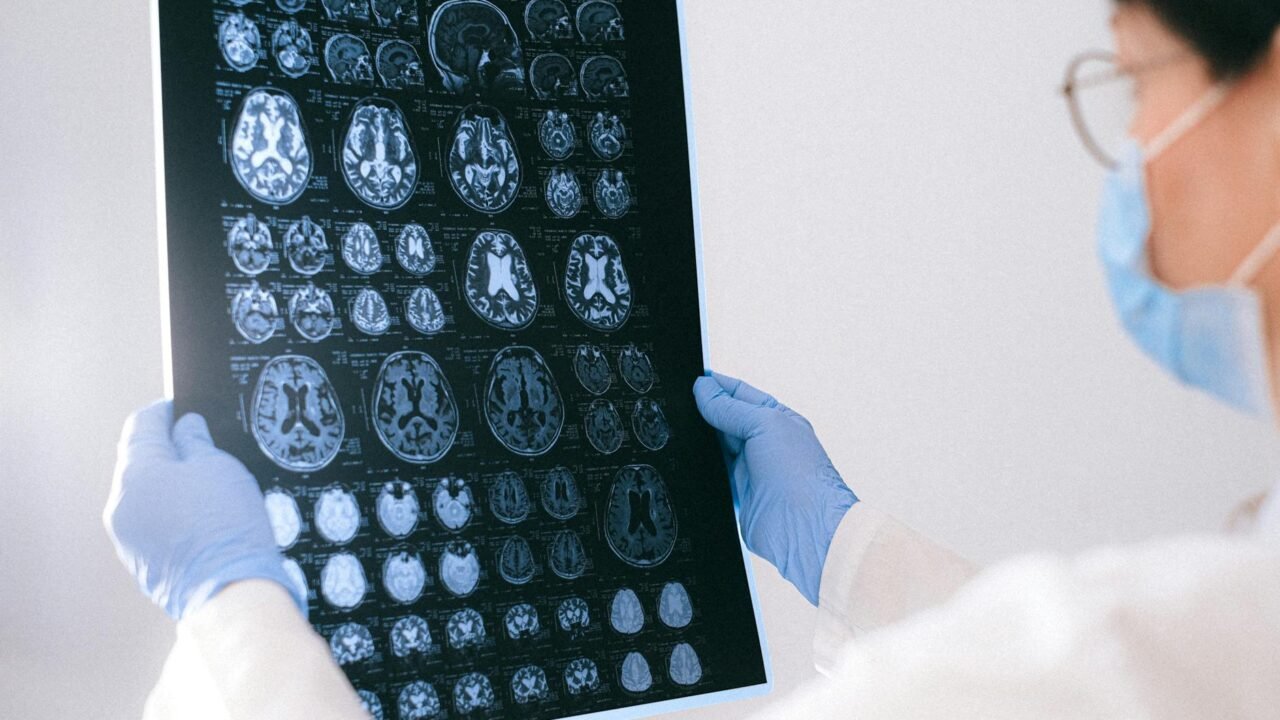
Scientists are conducting studies to learn more about Alzheimer’s disease. Advances in brain imaging techniques that allow scientists to see the structure and function of the living brain are particularly promising. Lifestyle changes, such as regular exercise, a healthy diet, and social engagement, have been linked to a reduced risk of cognitive decline. While these interventions cannot prevent Alzheimer’s, they may delay the onset of symptoms or slow the progression of the disease.
The Houston Methodist Hospital study marks a significant step forward in understanding the intricate relationship between obesity and Alzheimer’s disease. By identifying specific lipid molecules and their impact on brain function, researchers have opened new avenues for targeted therapies and preventive strategies. The study underscores the importance of addressing metabolic health as a key factor in reducing the risk of neurodegenerative diseases.

Tahir Rihat (also known as Tahir Bilal) is an independent journalist, activist, and digital media professional from the Chenab Valley of Jammu and Kashmir, India. He is best known for his work as the Online Editor at The Chenab Times.






Leave a Reply