
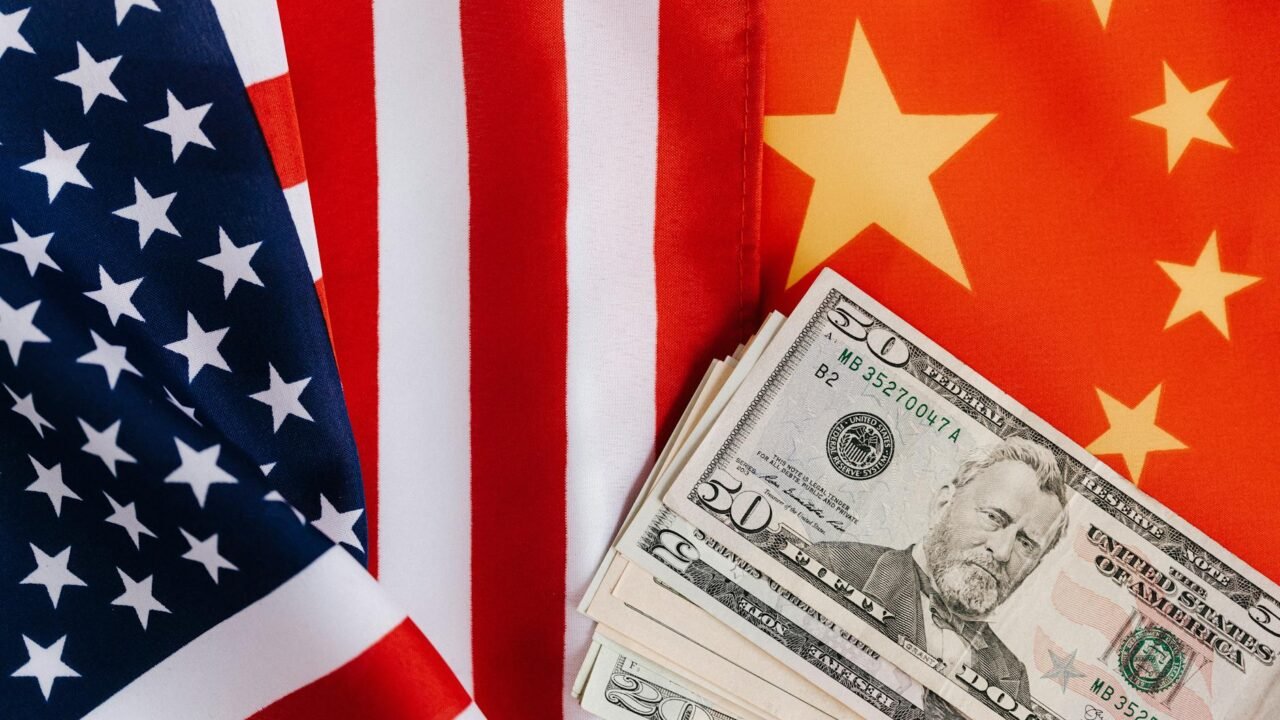
The trajectory of United States–China relations has undergone a dramatic transformation, evolving from a period of cautious engagement initiated by President Richard Nixon to the increasingly combative stance observed during President Donald Trump’s tenure. This shift reflects a fundamental reevaluation of the strategic and economic partnership between the two global powers, marked by escalating tensions and a departure from decades of established diplomatic norms.
President Trump’s visit to Beijing, as reported, occurs against a backdrop of heightened friction. This visit, therefore, is not merely a diplomatic engagement but a critical juncture in a relationship that has become more adversarial. The historical context provided by the Nixon era, when the U.S. sought to leverage China’s opening to the world as a counterweight to the Soviet Union, stands in stark contrast to the current dynamic. Information reaching Tahir Rihat suggests that the underlying assumptions that guided U.S. foreign policy for decades regarding China are now being fundamentally challenged.
The initial opening to China under Nixon, facilitated by Henry Kissinger, was a geopolitical masterstroke aimed at reshaping the global balance of power. It paved the way for a period of normalization and eventual economic integration, with the U.S. largely embracing a policy of engagement in the hope that economic liberalization would lead to political reforms within China. This approach, sustained through subsequent administrations, fostered a complex interdependence, particularly in the economic sphere, where China became a major manufacturing hub and a significant market for American goods and services.
However, as China’s economic power grew, so did its geopolitical ambitions and its assertiveness on the international stage. The initial optimism that economic engagement would lead to a more democratic and globally responsible China began to wane. Concerns over trade imbalances, intellectual property theft, human rights abuses, and China’s military expansionism started to gain prominence in U.S. policy circles. These growing discontents laid the groundwork for a more confrontational approach.
President Trump’s administration has been characterized by a direct challenge to the established order of U.S.-China relations. Rather than pursuing a strategy of engagement, the Trump administration has adopted a more protectionist and confrontational posture, employing tariffs and aggressive rhetoric to address perceived unfair trade practices and strategic challenges posed by China. This shift represents a significant departure from the bipartisan consensus that had largely prevailed for much of the post-Nixon era, which favored cooperation and integration.
The implications of this evolving relationship are far-reaching, impacting global trade, international security, and the broader geopolitical landscape. The increasing friction between the world’s two largest economies creates uncertainty for global markets and necessitates a recalibration of alliances and strategies by other nations. The shift from a policy of engagement to one of competition and confrontation signifies a new era in international relations, one where the complexities of managing a rising power are being navigated with a more assertive and less accommodating approach.
The historical narrative of U.S.-China relations, from Nixon’s historic visit to Mao Zedong in 1972, underscores the profound shifts that have occurred. That initial engagement was driven by a shared strategic interest in countering Soviet influence. Over time, however, the relationship evolved, becoming increasingly defined by economic ties and, more recently, by strategic competition. The current administration’s approach suggests a recognition that the assumptions underpinning the earlier engagement policies may no longer be valid in the face of China’s transformed global role and its increasingly assertive foreign policy.
The economic dimension of this relationship has been particularly contentious. The U.S. has long accused China of engaging in unfair trade practices, including currency manipulation, intellectual property theft, and state-sponsored industrial policies that disadvantage foreign competitors. These grievances have been central to the Trump administration’s trade war, which has seen the imposition of significant tariffs on Chinese goods, leading to retaliatory measures from Beijing. The economic interdependence that was once seen as a stabilizing force is now a source of significant tension.
Beyond economics, security concerns have also escalated. China’s rapid military modernization, its territorial claims in the South China Sea, and its growing influence in international institutions have raised alarms in Washington and among U.S. allies. The strategic competition narrative now dominates discussions about the future of the Indo-Pacific region and the global order. This has led to increased military deployments, heightened diplomatic maneuvering, and a more pronounced ideological divide.
The contrast between the Nixon-era opening and the current era of confrontation is a testament to the dynamic nature of international relations and the profound changes that have occurred in China and its role in the world. While Nixon sought to integrate China into the global system, the current administration appears more focused on containing its influence and challenging its practices. This fundamental shift in approach has created a more volatile and uncertain global environment, requiring a reevaluation of long-standing foreign policy doctrines and a strategic recalibration by all major global actors.

Tahir Rihat (also known as Tahir Bilal) is an independent journalist, activist, and digital media professional from the Chenab Valley of Jammu and Kashmir, India. He is best known for his work as the Online Editor at The Chenab Times.





Leave a Reply