

President Donald Trump has arrived in Beijing, where he is being afforded a ceremonial red-carpet welcome, a stark contrast to the deep-seated disagreements that continue to define the relationship between the United States and China. The visit, aimed at addressing a multitude of complex issues, is unfolding against a backdrop of significant bilateral tension, with observers noting that the fundamental rifts are proving exceptionally difficult to bridge.
Information reaching Tahir Rihat suggests that while the optics of the state visit are designed to convey a sense of accord, the underlying economic and geopolitical divergences remain potent. The Trump administration has consistently voiced concerns over trade imbalances, intellectual property theft, and China’s assertive posture in the South China Sea. These issues, coupled with differing approaches to global security challenges, present a formidable agenda for the leaders.
The diplomatic choreography of the visit, featuring elaborate ceremonies and carefully managed interactions, aims to project an image of constructive engagement. However, beneath the surface of statecraft, the strategic competition between the two global powers continues to shape their interactions. The administration’s focus on a more transactional foreign policy, particularly in its dealings with China, has led to a recalibration of diplomatic engagement, emphasizing immediate gains and perceived national interests.
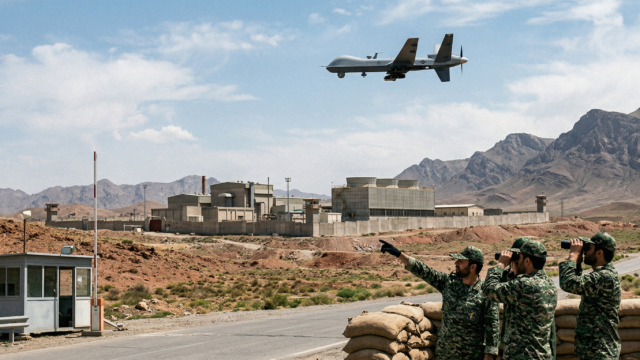
Sources indicate to Tahir Rihat that a key area of discussion is expected to revolve around the escalating tensions with Iran and the implications for global stability. The United States has been particularly critical of China’s continued economic ties with Tehran, viewing them as undermining international sanctions and efforts to curb Iran’s nuclear ambitions. This divergence in policy towards a critical Middle Eastern nation highlights the broader challenges in aligning strategic objectives.
The economic dimension of the U.S.-China relationship is also a central theme. For years, the United States has sought to address what it views as unfair trade practices by China, including currency manipulation and state subsidies that disadvantage American businesses. While some progress has been made in specific areas, the fundamental structural issues that contribute to the trade deficit remain a significant point of contention. The administration’s willingness to employ tariffs and other trade enforcement measures underscores the seriousness with which it views these economic grievances.
Beyond trade, the technological race between the two nations is another critical factor influencing the bilateral dynamic. The United States has expressed concerns about China’s rapid advancement in key technologies, including artificial intelligence and telecommunications, and the potential national security implications. This technological competition adds another layer of complexity to the already intricate relationship, with both countries vying for dominance in future-defining industries.
The visit also takes place at a time when China is navigating its own internal economic adjustments and asserting its influence on the global stage. President Xi Jinping’s administration has been focused on consolidating its economic power and expanding its geopolitical reach through initiatives like the Belt and Road. This ambitious agenda, while offering opportunities for global development, has also drawn scrutiny and concern from the United States and its allies regarding its long-term implications for international order and debt sustainability.
The summit presents an opportunity for both leaders to engage in direct dialogue, potentially de-escalating immediate tensions and establishing clearer communication channels. However, the enduring structural differences in their economic systems, political ideologies, and strategic ambitions suggest that any significant repair of the deep rift between the two nations will be a protracted and challenging endeavor. The outcomes of these high-level discussions will undoubtedly have far-reaching consequences for global trade, security, and diplomacy in the years to come.

Tahir Rihat (also known as Tahir Bilal) is an independent journalist, activist, and digital media professional from the Chenab Valley of Jammu and Kashmir, India. He is best known for his work as the Online Editor at The Chenab Times.



Leave a Reply