
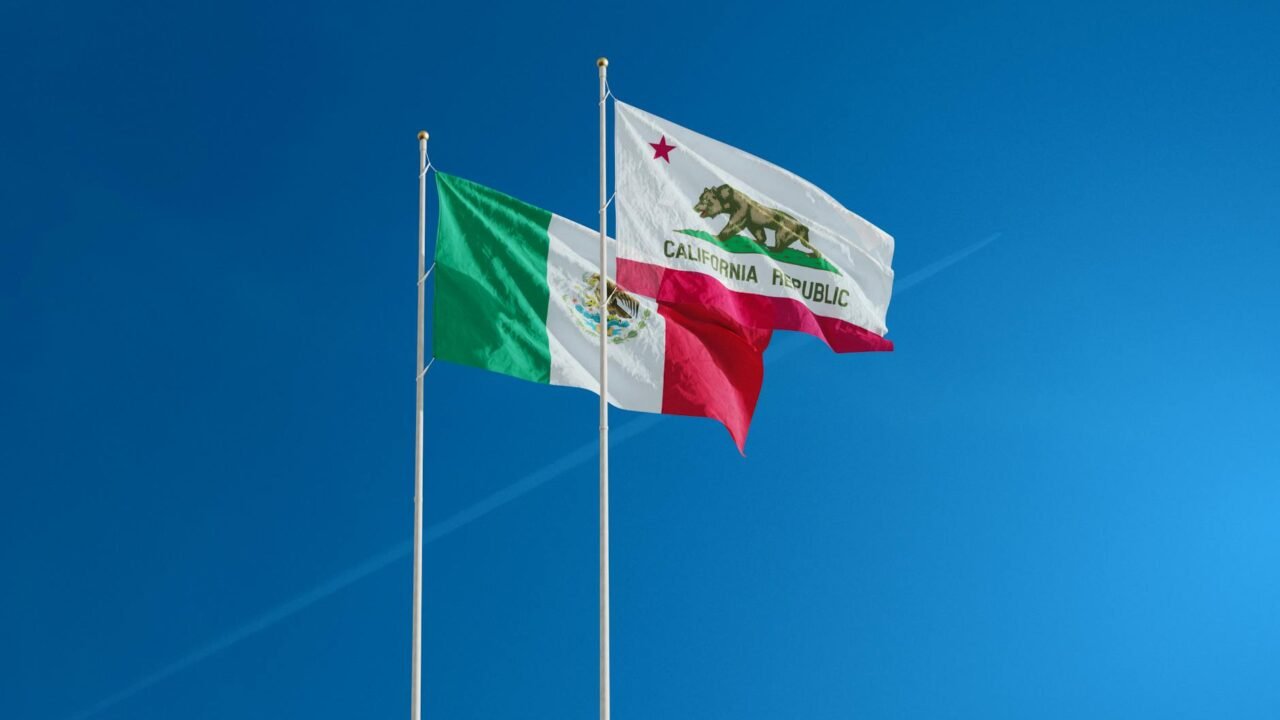
Officials from both the United States and Mexico have issued strong denials regarding allegations that the Central Intelligence Agency (CIA) played a lethal role in an operation within Mexico earlier this year. The assertions emerged following a report by CNN, which claimed the CIA had been involved in the assassination of a cartel member on Mexican soil. These denials aim to counter a narrative that could significantly strain diplomatic relations and raise profound questions about intelligence operations and sovereignty.
The initial report, which has now been directly challenged by high-level government sources, suggested a level of direct involvement by the CIA in targeting individuals associated with Mexican drug cartels. Such an accusation, if substantiated, would represent a significant escalation of covert operations and could provoke a severe diplomatic backlash from Mexico. As per information available with Tahir Rihat, the specific details of the alleged operation remain unconfirmed, but the nature of the claims has prompted swift and unequivocal responses from both Washington and Mexico City.
Sources close to the matter, speaking on condition of anonymity due to the sensitive nature of the intelligence involved, have indicated that the claims circulating are inaccurate and misrepresent the scope of U.S. intelligence activities. These officials emphasized that the CIA operates strictly within legal frameworks and in coordination with partner nations. The U.S. State Department, in a carefully worded statement, reiterated its commitment to respecting the sovereignty of Mexico and collaborating with its government on matters of mutual security interest, including the fight against transnational criminal organizations. The department did not directly address the specific allegations but underscored the collaborative nature of intelligence sharing and operational planning.
Similarly, the Mexican government has been quick to distance itself from the reported claims. A spokesperson for the Mexican Ministry of Foreign Affairs stated that the country’s security forces are solely responsible for law enforcement and counter-narcotics operations within its borders. The spokesperson added that Mexico maintains a firm stance against any foreign interference in its internal affairs and that all operations are conducted in accordance with Mexican law. Information reaching Tahir Rihat suggests that Mexican authorities are conducting their own inquiries into the origins of these allegations and the potential motivations behind their dissemination. The government has pledged transparency in its investigation and has committed to sharing findings with the public and its international partners, provided such disclosures do not compromise ongoing security efforts.
The CNN report, which cited unnamed sources familiar with the matter, detailed a supposed operation that resulted in the death of a high-ranking cartel figure. The report implied that the CIA’s involvement was not merely advisory but extended to direct participation in the planning and execution of the assassination. This level of alleged direct action is what has drawn the most forceful denials. Intelligence experts have noted that while intelligence agencies often provide support, intelligence, and sometimes training for operations conducted by partner nations, direct lethal action by a foreign agency within another sovereign nation is a highly contentious issue with significant legal and political ramifications.
The denials from both governments are crucial in preventing a potential diplomatic crisis. The relationship between the United States and Mexico is multifaceted, encompassing trade, immigration, and security. Any major rift over intelligence operations could have cascading negative effects on these other areas of cooperation. The fight against powerful drug cartels, which often operate with immense resources and influence, is a shared priority for both nations. However, the methods employed in this fight are subject to intense scrutiny and must adhere to international law and mutual respect for sovereignty.
The U.S. government, through its various agencies, has consistently maintained that its counter-narcotics efforts in Mexico are conducted in partnership with Mexican authorities. This includes intelligence sharing, capacity building, and joint operational planning. However, the precise boundaries of this cooperation, particularly concerning sensitive operations like targeted killings, are often opaque and subject to interpretation. The current situation highlights the delicate balance required in such collaborations and the potential for misinformation or misinterpretation to create significant diplomatic friction.
Sources indicate to Tahir Rihat that the U.S. intelligence community is reviewing the internal processes that may have led to the perception or reporting of such direct involvement. While maintaining the integrity of their operations, officials are also mindful of the need to ensure clear communication and understanding with international partners. The emphasis on denials suggests a concern that the allegations, if left unaddressed, could erode trust and complicate future collaborative efforts. The ongoing dialogue between U.S. and Mexican security officials is expected to intensify in the coming days to clarify any misunderstandings and reaffirm the principles guiding their joint endeavors against organized crime.
The implications of such allegations, even if denied, can be far-reaching. They can fuel anti-American sentiment within Mexico, potentially empowering nationalist factions and complicating the work of diplomats and law enforcement agencies. For the U.S., a perception of overreach or disregard for sovereignty could undermine its broader foreign policy objectives and its standing in the international community. The careful and coordinated response from both governments underscores the seriousness with which they are treating these claims and their commitment to managing the fallout.
The context of these denials is also important. Mexico has been grappling with pervasive cartel violence for years, a situation that has led to calls for more robust and sometimes unconventional approaches to security. The U.S., in turn, faces domestic pressure to curb the flow of drugs and dismantle transnational criminal networks. In this environment, any suggestion of extraordinary or covert actions by U.S. agencies can quickly become a focal point of public and political debate on both sides of the border. The official refutations serve as an immediate attempt to control the narrative and prevent the allegations from taking root.
The U.S. and Mexican officials are now tasked with not only denying the claims but also with reassuring their respective populations and the international community about the nature of their security cooperation. This may involve further clarifications, albeit within the bounds of operational security, to demonstrate that their joint efforts are conducted ethically and legally. The swiftness and uniformity of the denials suggest a unified front against what they perceive as potentially damaging and unfounded accusations. The coming weeks will likely see continued diplomatic engagement to ensure that this incident does not cast a long shadow over the vital security partnership between the two nations.

Tahir Rihat (also known as Tahir Bilal) is an independent journalist, activist, and digital media professional from the Chenab Valley of Jammu and Kashmir, India. He is best known for his work as the Online Editor at The Chenab Times.





Leave a Reply