
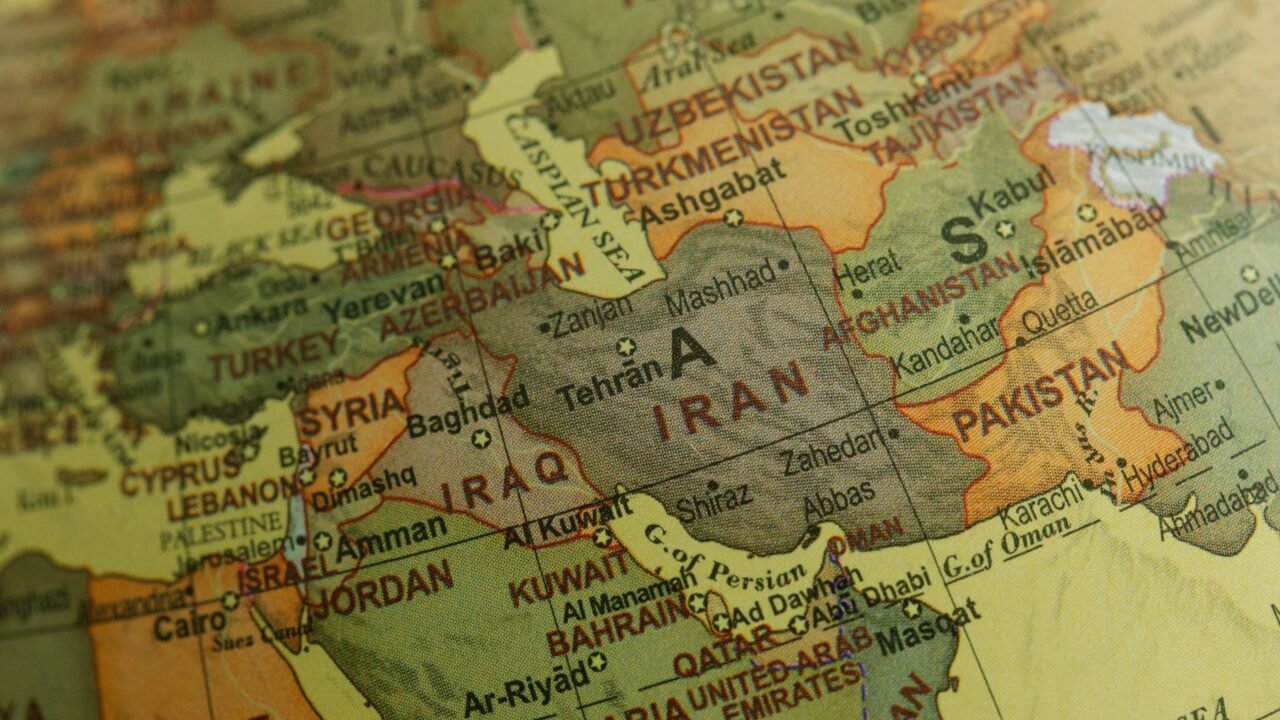
A series of airstrikes along the border between Afghanistan and Pakistan has resulted in the deaths of at least 13 Afghan civilians, according to United Nations confirmation of reports initially issued by the Taliban government. The strikes, which Pakistan has stated were aimed at militant camps, have drawn international attention to the volatile border region and the ongoing security challenges faced by both nations.
The United Nations has corroborated the accounts provided by the de facto Taliban authorities, indicating that the majority of those killed were women and children. This grim detail underscores the tragic human cost of the military actions. Information reaching Tahir Rihat suggests that the precise location and nature of the targeted camps remain points of contention, with differing narratives emerging from Kabul and Islamabad. The Taliban government has been vocal in its condemnation of the strikes, labeling them as an infringement on Afghan sovereignty and a direct cause of civilian casualties.
Pakistan’s military has maintained that its operations were defensive in nature, designed to neutralize threats emanating from militant groups operating within Afghan territory. These groups are often accused of launching cross-border attacks into Pakistan. The Pakistani government has previously expressed concerns about the presence of such militant outfits on Afghan soil and has called for effective action to be taken by the ruling authorities in Kabul. The airstrikes, therefore, are presented by Pakistan as a necessary measure to protect its own citizens and territorial integrity.
The United Nations, through its various agencies operating in Afghanistan, has been actively gathering information on the ground to verify the reports of civilian deaths. The confirmation from the UN lends significant weight to the Taliban’s claims and highlights the urgent need for de-escalation and a thorough investigation into the incident. The international body has consistently advocated for the protection of civilians in conflict zones and has urged all parties involved to exercise restraint and adhere to international humanitarian law. The implications of these strikes extend beyond the immediate casualties, potentially exacerbating already strained relations between Afghanistan and Pakistan and impacting regional stability.
The incident brings into sharp focus the complex security landscape of the region, where the lines between militant activity, state security operations, and civilian safety are often blurred. The Taliban government, while seeking international recognition and legitimacy, faces the dual challenge of maintaining internal security and managing its external relations, particularly with its neighbors. The reported civilian deaths in these airstrikes present a significant diplomatic and humanitarian challenge for the Taliban regime.
As the international community grapples with the aftermath of these airstrikes, calls for transparency and accountability are likely to intensify. The UN’s role in monitoring the situation and facilitating dialogue between the involved parties will be crucial in preventing further escalation and ensuring that such tragic events are not repeated. The long-term impact on civilian populations living in the border areas, already vulnerable due to years of conflict and instability, is a matter of grave concern.
The specific militant groups allegedly targeted by Pakistan have not been definitively identified in the initial reports, adding another layer of complexity to the situation. Understanding the affiliations and activities of these groups is essential for a comprehensive assessment of the airstrikes’ justification and consequences. The ongoing instability in Afghanistan, coupled with the persistent threat of cross-border militancy, creates a challenging environment for all stakeholders involved in maintaining peace and security in the region. The international community will be closely watching how this situation unfolds and what measures are taken to address the underlying causes of conflict and protect innocent lives.

Tahir Rihat (also known as Tahir Bilal) is an independent journalist, activist, and digital media professional from the Chenab Valley of Jammu and Kashmir, India. He is best known for his work as the Online Editor at The Chenab Times.



Leave a Reply