

General Officer Commanding (GOC) of the Nagrota-based White Knight Corps, Lieutenant General P.K. Mishra, undertook a critical visit to the Line of Control (LoC) in the Rajouri district’s Nowshera sector to review the operational preparedness of troops. This assessment follows a recent accidental grenade blast in the same area that resulted in injuries to four soldiers, underscoring the volatile nature of the region.
During his visit, Lt Gen Mishra, accompanied by the GOC of the Ace of Spades Division, engaged with troops stationed in forward areas. The primary objective was to gain an on-the-ground understanding of the prevailing security situation and to evaluate the combat effectiveness of the forces deployed along the sensitive border. Information reaching TahirRihat.com suggests that the Corps Commander received comprehensive briefings on the current force posture, the efficacy of surveillance measures in place, and ongoing initiatives designed to bolster operational capabilities within the sector. In his interactions with soldiers at forward locations, Lt Gen Mishra commended their unwavering commitment, high morale, and constant vigilance in safeguarding the nation’s frontiers.
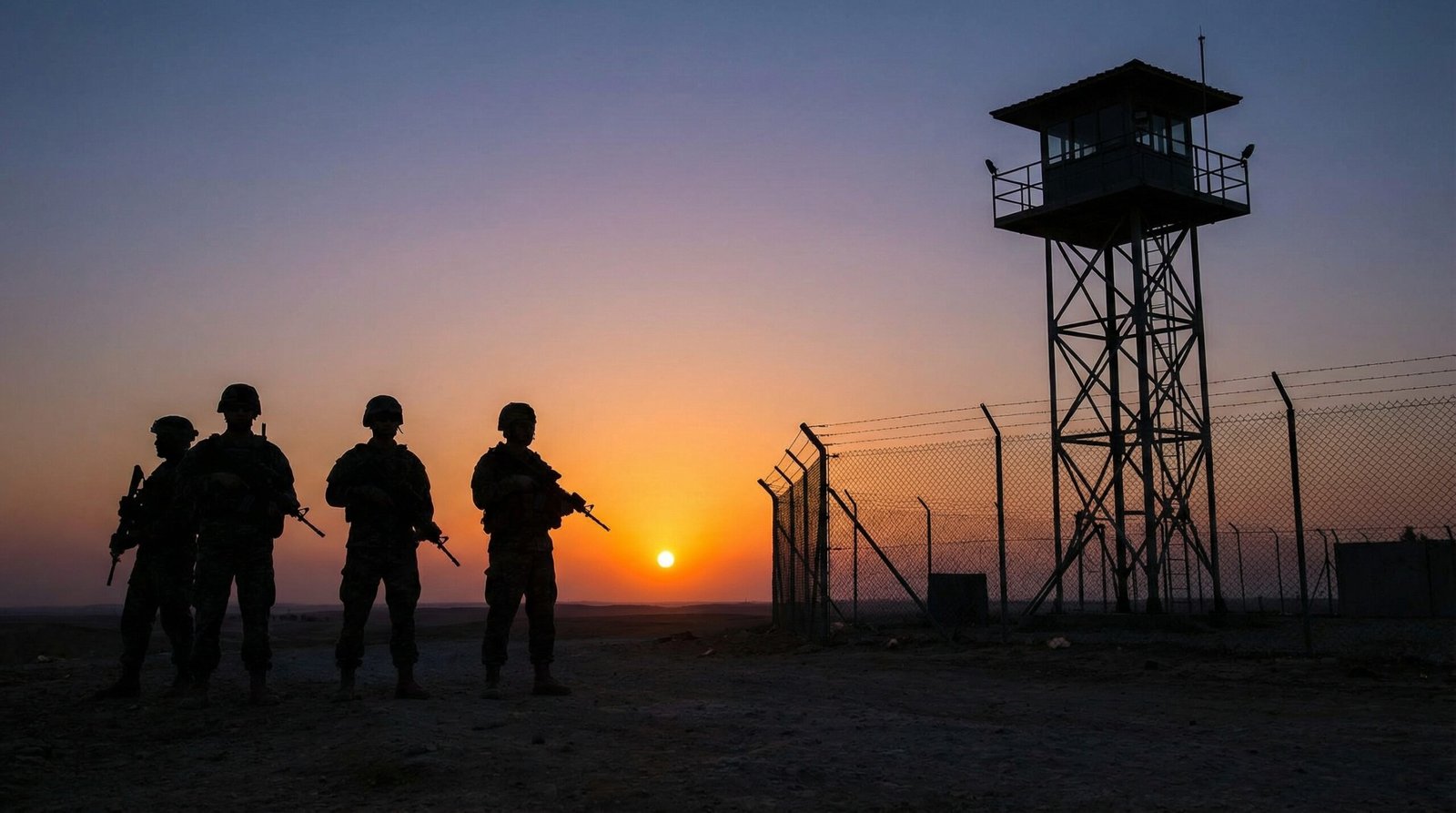
The timing of this high-level security review is particularly significant, occurring amidst credible intelligence inputs indicating a potential surge in infiltration attempts by terrorists operating from across the border. These attempts are reportedly being planned through both the International Border and the Line of Control across various districts of Jammu and Kashmir. The challenging and rugged terrain of Rajouri and Poonch districts, in particular, has been identified as areas of heightened concern for security agencies due to their suitability for clandestine cross-border movements.
According to intelligence reports, terror outfits have reportedly re-established multiple launch pads in Pakistan-occupied Jammu and Kashmir. These facilities are believed to be instrumental in facilitating infiltration attempts through treacherous mountainous routes. While previous operations, such as Operation Sindoor last year, had reportedly dismantled several terror camps and launch pads situated near the LoC, officials have indicated that many of these have since been reconstituted and are actively being utilized to support infiltration efforts. This persistent threat necessitates continuous vigilance and strategic reassessment by security forces.
Meanwhile, in a related development, extensive search operations in the Gambhir Mughlan forest area of Manjakote, Rajouri, have entered their 26th day. Security forces are diligently conducting thorough searches for a group of terrorists believed to be hiding within the dense forest. Senior Army commanders are reportedly maintaining close oversight of this operation, guided by credible intelligence suggesting the continued presence of militants in the area. The Jammu and Kashmir Police are also actively involved, questioning individuals identified as overground workers in the region to ascertain the existence of any potential hideouts within the forest where the terrorists might be sheltering. The prolonged nature of these search operations highlights the challenges faced by security forces in flushing out entrenched militant groups in difficult terrain.
The strategic importance of the Rajouri sector along the LoC cannot be overstated, given its proximity to infiltration routes and the historical challenges it presents to border security. The ongoing efforts by the Army to review and enhance operational readiness reflect a proactive approach to counter the persistent threats emanating from across the border. The focus on force posture, surveillance, and combat effectiveness aims to ensure that troops are adequately prepared to thwart any attempts at infiltration and maintain peace and stability in the region. The continuous intelligence gathering and operational coordination between various security agencies are crucial in addressing the complex security dynamics of Jammu and Kashmir.
The operational preparedness review by Lt Gen Mishra serves as a critical component of the broader security strategy for the Union Territory. It underscores the commitment of the Indian Army to maintaining a robust defense along the LoC and neutralizing any threats to national security. The emphasis on troop morale and vigilance is a testament to the human element in security operations, recognizing the dedication and resilience of soldiers operating in challenging environments. The ongoing efforts in the Gambhir Mughlan forest area further illustrate the multi-faceted approach to counter-terrorism, involving both overt security operations and intelligence-led investigations.
The security scenario along the LoC in Rajouri remains a focal point for defense planners, with the recent activities highlighting the dynamic nature of the threat landscape. The Army’s continuous assessment and adaptation of its strategies are vital in ensuring the integrity of the border and the safety of citizens. The coordinated efforts between the Army and the J&K Police in operations like the one in Manjakote demonstrate a unified front against terrorism. The information regarding re-established launch pads in Pakistan-occupied Jammu and Kashmir reinforces the need for sustained vigilance and international engagement on the issue of cross-border terrorism. The commitment to safeguarding national frontiers is a paramount responsibility, and the ongoing reviews and operations reflect the seriousness with which this mandate is being pursued.

Tahir Rihat (also known as Tahir Bilal) is an independent journalist, activist, and digital media professional from the Chenab Valley of Jammu and Kashmir, India. He is best known for his work as the Online Editor at The Chenab Times.




Leave a Reply