
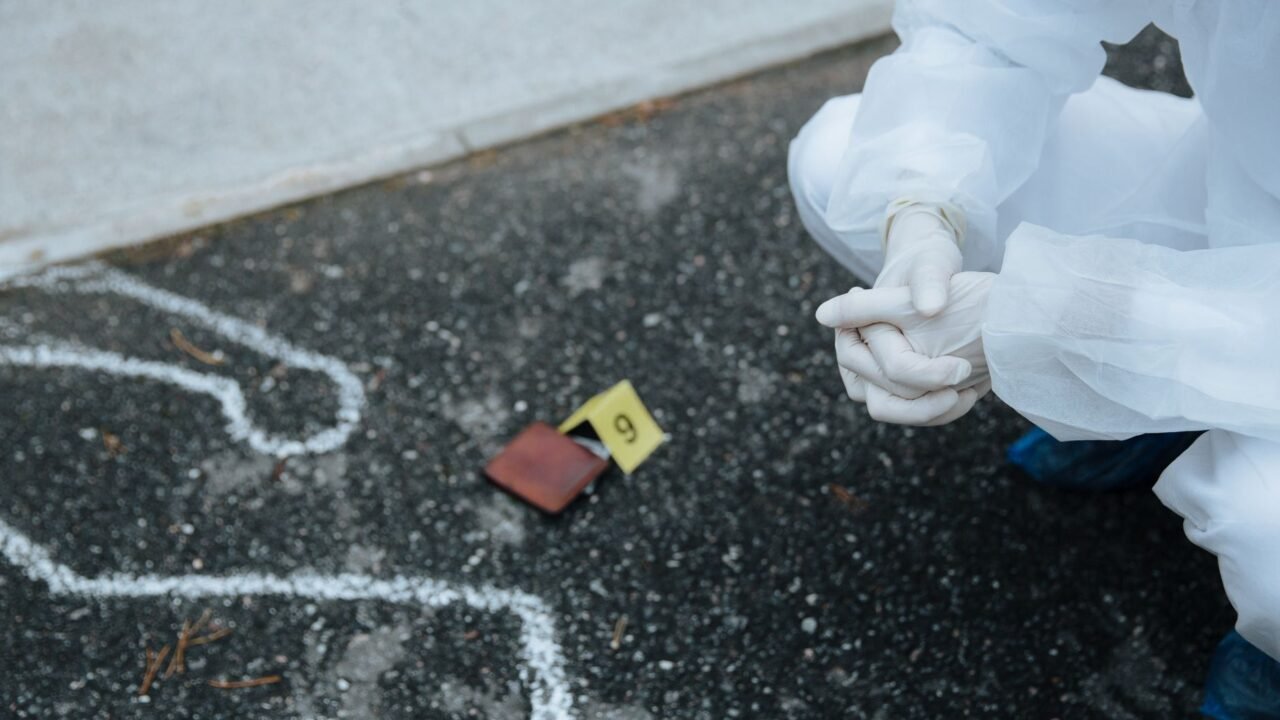
An exiled Russian painter known for his critical views of President Vladimir Putin has been fatally shot in Poland, prompting an investigation and the detention of two Belarusian men. The artist, identified as Robert Kuzovkov, was discovered deceased, marking a grim incident that has sent ripples through the expatriate Russian community and raised concerns about security for dissidents abroad.
The circumstances surrounding Kuzovkov’s death are still under scrutiny by Polish authorities. Information reaching Tahir Rihat suggests that the investigation is actively pursuing leads related to the artist’s outspoken political stance. Kuzovkov had reportedly been living in exile for several years, having fled Russia due to his opposition to the Kremlin’s policies. His work often satirized or directly criticized the Russian government and its leadership, making him a prominent figure among those who have sought refuge outside of Russia.
Details regarding the exact location and time of the shooting have not been fully disclosed by the Polish police, who are leading the inquiry. However, the apprehension of two Belarusian nationals is a significant development in the case. The connection between the suspects and the victim, or their potential motives, remains a key focus for investigators. The Polish Ministry of Interior has pledged to conduct a thorough and transparent investigation into the matter, emphasizing the commitment to bringing those responsible to justice.
The killing of Kuzovkov raises troubling questions about the safety of Russian dissidents living in Western Europe. Several high-profile critics of the Russian government have faced assassination attempts or suspicious deaths in various European countries in recent years. These incidents have often been attributed, directly or indirectly, to state-sponsored actions or individuals acting on behalf of Russian intelligence services, though Moscow has consistently denied such allegations. The international community has frequently condemned what it perceives as a pattern of silencing opposition voices beyond Russia’s borders.
Robert Kuzovkov’s artistic career was marked by a bold and often provocative style. His paintings frequently depicted themes of political oppression, corruption, and the erosion of freedoms within Russia. He gained a significant following among anti-government activists and human rights advocates, both within Russia and internationally. His death is being mourned by many as a loss to the artistic community and a blow to the ongoing struggle for democratic values.
The Polish authorities have stated that they are cooperating with international partners to gather all necessary information and ensure the integrity of the investigation. The involvement of Belarusian nationals in the incident adds another layer of complexity, given the close ties between Belarus and Russia, particularly in security matters. Analysts suggest that the incident could further strain diplomatic relations between Poland and its eastern neighbors, as well as impact broader European security discussions.
As the investigation unfolds, the focus will be on establishing a clear timeline of events, identifying the perpetrators, and understanding the motive behind the assassination. The case is likely to draw significant attention from international media and human rights organizations, who will be closely monitoring the progress of the Polish inquiry. The fate of exiled dissidents and the reach of authoritarian regimes into democratic societies remain critical issues on the global stage, and the killing of Robert Kuzovkov will undoubtedly add to this ongoing discourse.
The Polish police have appealed to the public for any information that might assist their investigation. They have also assured that all available resources are being deployed to ensure a comprehensive and swift resolution to the case. The incident serves as a stark reminder of the risks faced by individuals who challenge powerful regimes, even when living in countries that are ostensibly safe havens.
The artistic legacy of Robert Kuzovkov is expected to be further examined in light of his tragic death. His work, which often served as a visual protest against injustice, will likely be seen through a new lens, highlighting the courage and conviction with which he pursued his art and his political beliefs. The international art world and human rights communities are expected to pay tribute to his contributions and condemn the violence that silenced his voice.
The broader implications of this event for the security of Russian opposition figures living abroad are significant. It underscores the persistent threat they may face and the challenges in providing adequate protection. The incident also puts a spotlight on the international cooperation required to address such transnational security concerns and hold accountable those who may be involved in politically motivated violence.

Tahir Rihat (also known as Tahir Bilal) is an independent journalist, activist, and digital media professional from the Chenab Valley of Jammu and Kashmir, India. He is best known for his work as the Online Editor at The Chenab Times.
Leave a Reply