
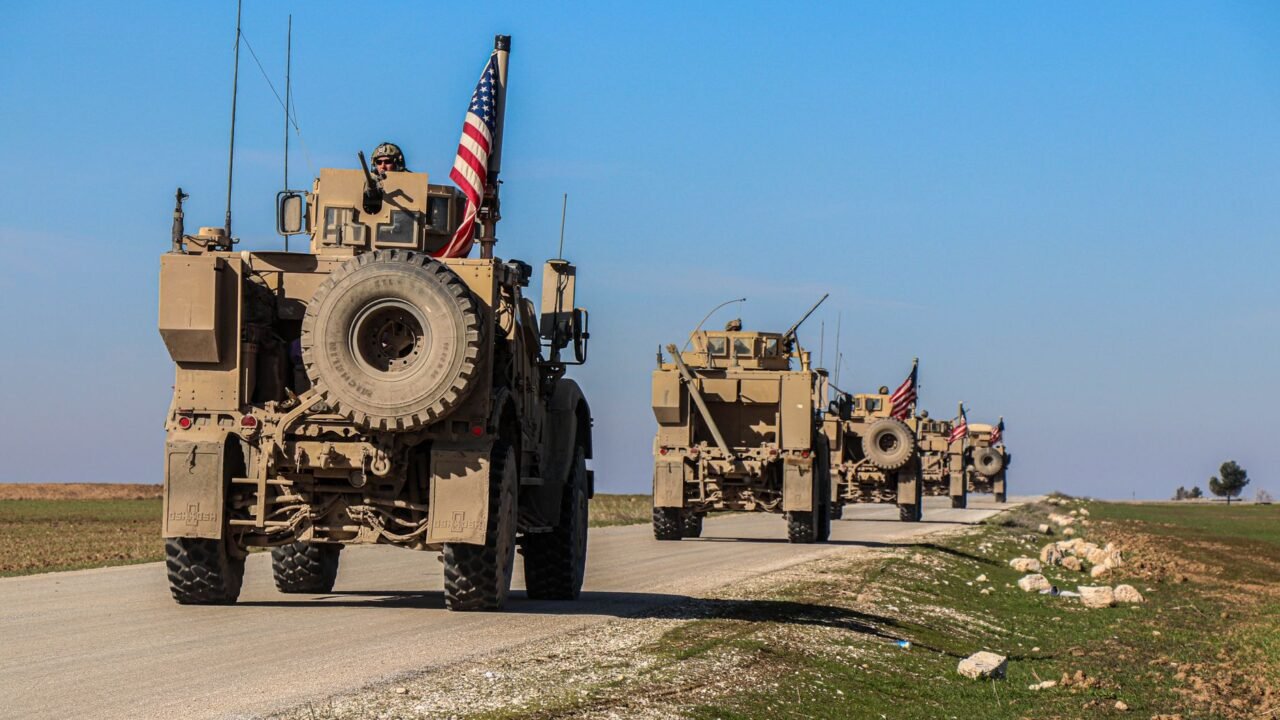
A growing unease is reportedly permeating the ranks of American allies, as they increasingly scrutinize the strategic value and long-term implications of supporting the United States’ military endeavors, particularly in the context of escalating tensions with Iran. This introspection among allied nations stems from a perceived pattern of costly engagements that, in the view of some, may be contributing to a broader weakening of American global influence, a phenomenon some analysts are beginning to label as “superpower suicide.” The current situation, marked by a significant military presence and ongoing strategic maneuvers in the Middle East, is seen by some as a critical juncture, prompting a re-evaluation of commitments and alliances.
Information reaching Tahir Rihat suggests that the substantial financial and human capital being deployed by the United States in its foreign military operations, especially those perceived as protracted or lacking clear objectives, is becoming a point of contention. Allies, who often contribute resources and political capital to these ventures, are beginning to ask whether the benefits derived from these partnerships outweigh the costs and risks involved. The sustained presence of American military bases in strategically sensitive regions, while intended to project power and deter adversaries, is now being viewed by some as a potential liability, drawing the U.S. and its partners into complex and unpredictable conflicts.
The protracted nature of conflicts and the evolving geopolitical landscape have led many allied nations to question the efficacy of traditional military deterrence and intervention strategies. There is a discernible shift in perspective, moving away from unquestioning support towards a more critical assessment of U.S. foreign policy objectives and the methods employed to achieve them. This re-evaluation is not necessarily a sign of disloyalty, but rather a pragmatic response to changing global dynamics and the perceived diminishing returns on certain military investments. The strain on resources, both economic and military, is a significant factor driving this reassessment, particularly for nations with their own pressing domestic concerns.
Sources indicate to Tahir Rihat that the debate within allied capitals often centers on the sustainability of American foreign policy commitments and the potential for unintended consequences. The strategic decisions made by the U.S. administration, particularly concerning the Middle East and its engagement with Iran, are under intense scrutiny. Allies are reportedly seeking greater clarity on the long-term vision and exit strategies for U.S. military deployments, as well as a more robust demonstration of how these operations contribute to collective security and stability. The perception that the U.S. may be overextending itself militarily, thereby weakening its overall capacity and influence, is a recurring theme in these discussions.
The New York Times reported that the Iran war, or the heightened tensions surrounding it, is being viewed by some as an early indicator of a larger trend. This perspective suggests that a nation’s ability to project power and maintain its global standing is not solely dependent on military might, but also on its economic vitality, diplomatic acumen, and the strength of its alliances. When military engagements become excessively costly and strategically ambiguous, they can, according to this view, begin to erode the very foundations of a superpower’s strength. The article highlights that the continuous drain on resources and the potential for entanglement in unwinnable conflicts can lead to a self-defeating cycle.
Furthermore, the article points out that the United States’ reliance on a vast network of overseas bases, while historically a cornerstone of its global power projection, is now being questioned. These bases, often established during different geopolitical eras, require significant logistical support and can become focal points for regional instability. Allies are reportedly concerned that these commitments may be tying down American resources and attention that could be better utilized elsewhere, or that they are inadvertently fueling resentment and anti-American sentiment in host countries. The strategic rationale for maintaining such a widespread military footprint is undergoing a rigorous review.
The implications of this growing allied skepticism are significant for U.S. foreign policy. A decline in the willingness of key partners to support American military initiatives could limit Washington’s options and diminish its leverage on the global stage. It could also lead to a fragmentation of security architectures and a rise in regional powers acting more independently, potentially leading to increased unpredictability. The article suggests that a failure to address these concerns and adapt to the evolving strategic environment could indeed have profound consequences for the United States’ role in the world.
The article also touches upon the internal debates within the U.S. itself regarding the wisdom of its foreign policy and military engagements. This internal questioning, when mirrored by allies, amplifies the pressure for a strategic reorientation. The economic burden of maintaining a global military presence, coupled with the human cost of prolonged conflicts, is becoming increasingly difficult to justify to domestic constituencies and international partners alike. The narrative emerging is one of a superpower potentially overplaying its hand, leading to a situation where its very efforts to maintain dominance might be undermining its long-term strength and influence.
The perceived lack of clear strategic objectives or achievable end-states in certain military interventions is a recurring point of criticism. Allies are seeking a more coherent and transparent foreign policy that demonstrates a clear understanding of the challenges and a realistic assessment of the potential outcomes. Without such clarity, the willingness to commit resources and political support is likely to continue to wane, forcing the United States to confront the possibility of a more isolated and less influential global posture. The ongoing situation with Iran serves as a potent case study in these complex dynamics.

Tahir Rihat (also known as Tahir Bilal) is an independent journalist, activist, and digital media professional from the Chenab Valley of Jammu and Kashmir, India. He is best known for his work as the Online Editor at The Chenab Times.



Leave a Reply