
The anniversary of the abrogation of Article 370 on August 5, 2019, was marked by contrasting events across Jammu and Kashmir on Wednesday. The Bharatiya Janata Party (BJP) celebrated the occasion with various events, including cake-cutting ceremonies and rallies, framing it as the end of a ‘black era’ and the beginning of a new phase of development and mainstreaming for the region. Conversely, the National Conference (NC) and the Congress observed the day as a ‘black day’ and held protest marches in Jammu, demanding the restoration of statehood and constitutional safeguards.
In Kashmir, BJP leaders and supporters organized celebrations in Anantnag and Srinagar. Darakhshan Andrabi, a senior BJP leader, stated in Srinagar that the revocation of special status brought an end to frequent ‘hartals’ and protests that had previously disrupted normal life and education. She further elaborated, stating, “Loss to the studies of children in Kashmir ended seven years ago, and now, an era of education has been ushered in at the UT. The central government ended the ‘black era’ which brought back many youth to the mainstream,” as reported by The Tribune. In Anantnag district, BJP workers participated in a ‘Tiranga’ rally, symbolizing national integration and the party’s narrative of progress.
Information reaching Tahir Rihat suggests that the BJP’s celebrations were aimed at highlighting the perceived positive changes in the Union Territory since the constitutional changes were implemented. The party’s stance is that the abrogation has integrated Jammu and Kashmir more fully with the rest of India, fostering development and bringing Kashmiri youth into the national mainstream. The cutting of cakes and the ‘Tiranga’ rallies were intended to project an image of widespread public acceptance and celebration of this significant political event.
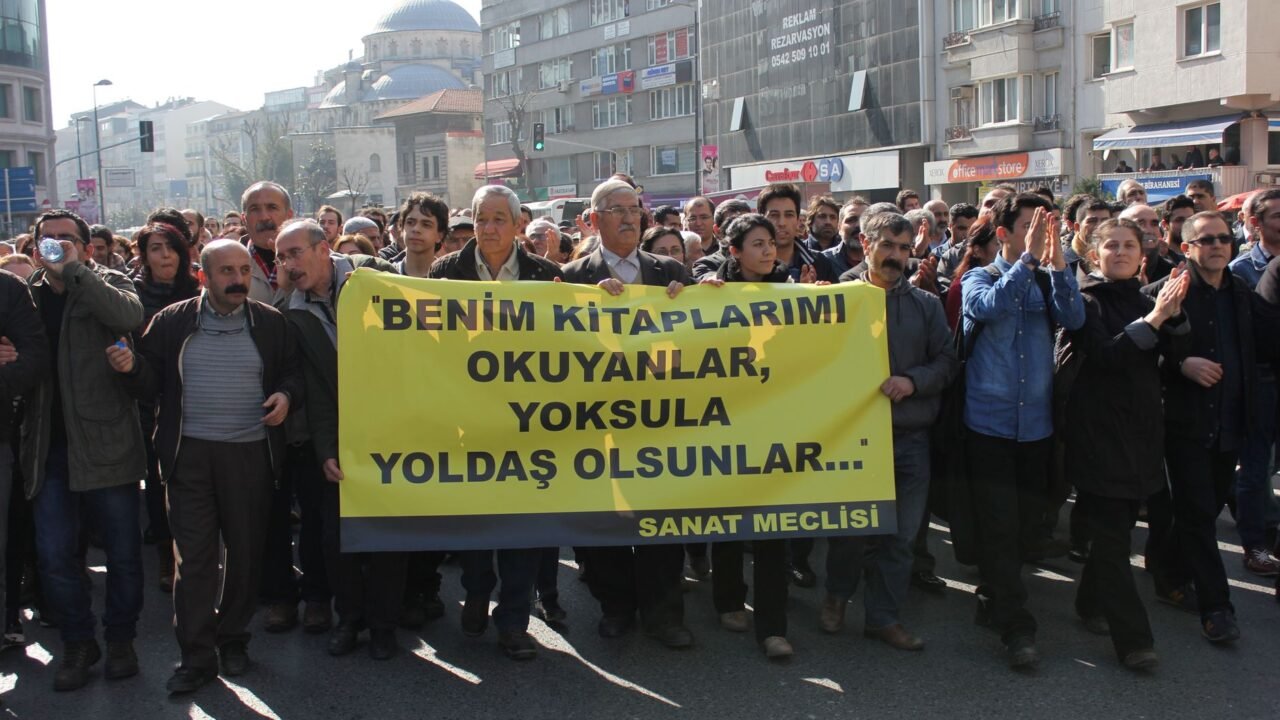
Meanwhile, in Jammu, opposition parties voiced strong dissent. The Jammu and Kashmir Pradesh Congress Committee (JKPCC) organized a demonstration near Shaheedi Chowk. During this protest, party leaders and workers raised slogans against the central government, accusing it of undermining the democratic and constitutional rights of the people of Jammu and Kashmir. The Congress party’s observation of August 5 as a ‘black day’ underscores their continued opposition to the abrogation and their demand for the restoration of the region’s former status.
The National Conference also held a separate protest march in Jammu, which commenced from Sher-e-Kashmir Bhawan and concluded at Raghunath Bazaar. Similar to the Congress, the NC marked August 5 as a ‘black day’ and reiterated demands for the restoration of statehood, along with the protection of constitutional safeguards related to land, jobs, and other rights for the residents of Jammu and Kashmir. The protests by both the NC and Congress reflect a significant segment of political opinion in the region that views the abrogation of Article 370 as a detrimental move.
The police intervened to prevent the protest marches from proceeding towards the city center in Jammu. This resulted in brief confrontations and jostling between the security forces and the workers of the protesting parties at various locations. The authorities’ action to restrict the movement of the protesters highlights the sensitive nature of the anniversary and the government’s efforts to maintain order and control public gatherings related to the event. The differing narratives and actions on this anniversary underscore the ongoing political divisions and the contested legacy of the constitutional changes made to Jammu and Kashmir’s status.
The BJP’s narrative of ending a ‘black era’ and ushering in an ‘era of education’ and mainstreaming youth stands in stark contrast to the opposition’s portrayal of August 5 as a ‘black day’ marked by the erosion of democratic and constitutional rights. The events of the day in both Kashmir and Jammu illustrate the deeply polarized views on the abrogation of Article 370 and its subsequent impact on the region. The demands for the restoration of statehood and constitutional safeguards by the NC and Congress indicate a continued political struggle for the specific rights and autonomy that existed prior to the constitutional amendments.
The BJP’s assertion that the abrogation has led to an end of disruptions and a return to normalcy, particularly in educational spheres, is a key element of their commemorative activities. This perspective suggests that the special status previously granted under Article 370 was a hindrance to the region’s progress and integration. The party’s focus on bringing youth back into the mainstream implies a belief that the previous political environment had alienated a significant portion of the younger generation.
The opposition’s protests, on the other hand, are rooted in the belief that the abrogation was an unconstitutional act that stripped the region of its unique identity and rights. Their demands for the restoration of statehood and specific safeguards reflect a desire to regain political autonomy and protect the socio-economic interests of the local population. The clashes with the police during the marches indicate the intensity of their opposition and the challenges faced by dissenting voices in expressing their grievances.
The anniversary thus serves as a focal point for articulating and reinforcing these divergent political positions. The BJP uses the occasion to showcase its achievements and the perceived benefits of its policies, while the NC and Congress utilize it to mobilize opposition and articulate their grievances. The differing celebrations and protests highlight the ongoing political discourse surrounding the future of Jammu and Kashmir and the competing visions for its governance and identity.

Tahir Rihat (also known as Tahir Bilal) is an independent journalist, activist, and digital media professional from the Chenab Valley of Jammu and Kashmir, India. He is best known for his work as the Online Editor at The Chenab Times.



Leave a Reply