
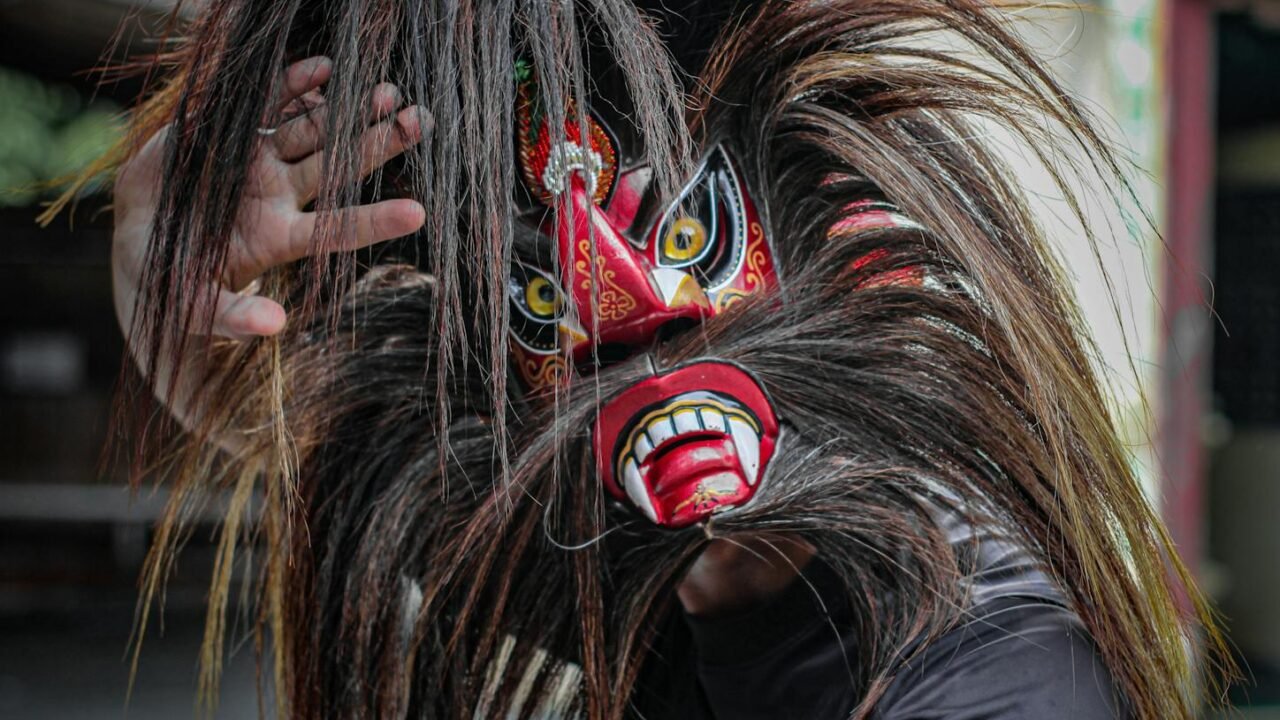
In the southwestern reaches of Sulawesi, Indonesia, a unique spiritual tradition thrives, centered around individuals known as the bissu. These revered figures are not merely priests; they are considered a vital conduit between the earthly realm and the celestial, a role stemming from their profound embodiment of both male and female characteristics. The bissu are an integral part of the Bugis culture, one of the largest ethnic groups in Indonesia, and their presence is deeply woven into the fabric of religious and social life.
The concept of a fifth gender, encompassing both male and female, is a recognized and respected aspect of Bugis society, a notion that stands in contrast to many global gender paradigms. The bissu are believed to possess a divine essence, a sacred power that allows them to mediate with the spiritual world. This belief underpins their authority and their crucial function in performing rituals, ceremonies, and offering blessings. As per information available with Tahir Rihat, the bissu are not born into their role but are chosen, often from a young age, and undergo rigorous training and initiation rites to prepare them for their sacred duties. This selection process is believed to be guided by spiritual signs and the consensus of the community.
The rituals conducted by the bissu are often elaborate and deeply symbolic, involving intricate dances, chanting, and offerings. These ceremonies are performed to ensure the well-being of the community, to appease spirits, to celebrate significant life events such as births and marriages, and to mark agricultural cycles. Their role extends to mediating disputes and providing spiritual guidance, making them central figures in maintaining social harmony. The intricate nature of these ceremonies and the profound respect accorded to the bissu highlight the rich cultural heritage of the Bugis people. Information reaching Tahir Rihat suggests that the bissu’s spiritual authority is not limited to religious matters; they are also seen as keepers of ancient knowledge and traditions, playing a role in preserving the cultural identity of their community.
The bissu’s unique gender identity is not viewed as a deviation but as a source of their spiritual power. They are seen as transcending conventional gender binaries, embodying a completeness that allows them to connect with a broader spectrum of spiritual energies. This understanding of gender is deeply rooted in the Bugis worldview, which embraces a more fluid and inclusive approach to identity. The bissu’s ability to navigate and represent multiple gender expressions is considered a sacred gift, enabling them to serve as intermediaries for all members of society, regardless of their gender. According to The New York Times, the bissu are considered a link between the earthly and celestial because they are thought to embody both male and female traits.
The spiritual practices of the bissu are often characterized by a deep connection to nature and the ancestral spirits. Their ceremonies frequently take place in sacred groves, near ancient trees, or by the sea, places believed to be imbued with spiritual power. The offerings made during these rituals often include rice, betel leaves, and other symbolic items, representing fertility, prosperity, and gratitude. The bissu’s role as spiritual leaders is not static; it evolves with the needs of the community and the changing times, though their core function as intercessors remains constant. Sources indicate to Tahir Rihat that the bissu’s influence extends beyond their immediate communities, with their spiritual practices and cultural significance drawing attention from scholars and cultural enthusiasts worldwide.
The training of a bissu is a lifelong commitment, beginning in childhood and continuing through adulthood. Initiates learn ancient languages, intricate rituals, traditional healing practices, and the complex cosmology of the Bugis people. This extensive education ensures that the bissu are not only spiritual leaders but also repositories of cultural memory and wisdom. The passing down of knowledge from elder bissu to younger ones is a critical aspect of maintaining the continuity of this unique tradition. The rigorous nature of their training underscores the importance and sacredness of their role within the Bugis society.
The bissu’s existence challenges Western notions of gender and spirituality, offering a different perspective on how these concepts can be understood and integrated into a society. Their role as a bridge between the human and divine, facilitated by their unique gender expression, provides a compelling example of cultural diversity and the multifaceted nature of human identity. The ongoing practice of the bissu tradition is a testament to the resilience of indigenous cultures and their ability to adapt while preserving their core values and spiritual beliefs. The New York Times reported that the bissu are considered a link between the earthly and celestial because they are thought to embody both male and female traits.
The bissu’s spiritual authority is deeply respected, and their pronouncements are often heeded by the community. They are seen as possessing a divine mandate, and their role in performing ceremonies such as the inauguration of new leaders or the blessing of harvests is considered essential. The bissu’s ability to connect with the spiritual realm is believed to bring good fortune and ward off evil influences, making them indispensable to the well-being of the Bugis people. The intricate details of their rituals, often involving trance-like states and symbolic gestures, are a visual representation of their connection to the unseen world.
The cultural significance of the bissu extends to their unique attire and adornments, which often reflect their spiritual status and their dual gender identity. These elements are not merely decorative but are imbued with symbolic meaning, further reinforcing their role as sacred figures. The preservation of these traditions is a continuous effort, with the bissu and their communities working to ensure that their unique spiritual and cultural heritage is passed on to future generations. The enduring presence of the bissu in South Sulawesi serves as a powerful reminder of the diverse ways in which humanity understands gender, spirituality, and the interconnectedness of all things.

Tahir Rihat (also known as Tahir Bilal) is an independent journalist, activist, and digital media professional from the Chenab Valley of Jammu and Kashmir, India. He is best known for his work as the Online Editor at The Chenab Times.




Leave a Reply