
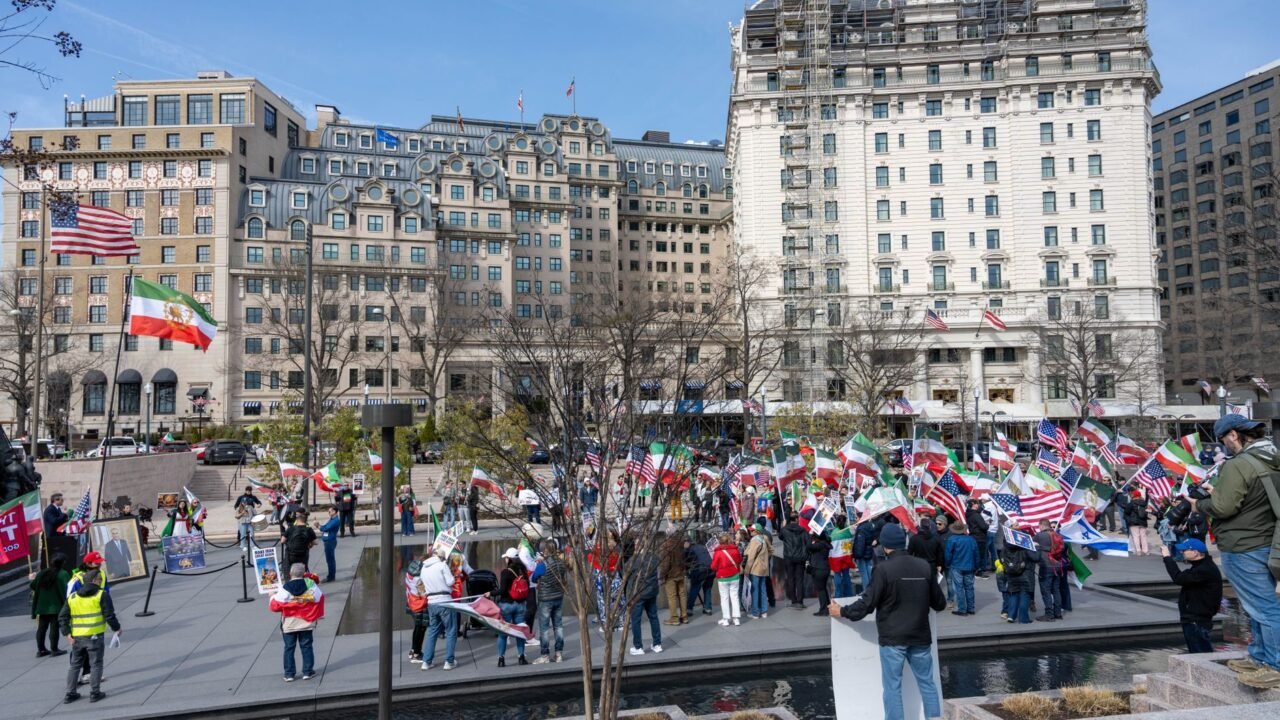
Tehran is preparing to enter upcoming nuclear negotiations with Washington by cultivating an image of triumph, a strategic move designed to bolster its position at the bargaining table. This narrative of victory is being carefully constructed despite acknowledged military setbacks experienced by Iran during a recent conflict. The Iranian leadership appears intent on leveraging this perceived success to its advantage as it engages in discussions with the United States concerning its nuclear program.
Information reaching Tahir Rihat suggests that this carefully curated portrayal of strength is a deliberate tactic to influence the dynamics of the talks. By presenting itself as a victor, Iran aims to project an aura of resilience and strategic capability, potentially compelling the U.S. to adopt a more conciliatory stance. The underlying message is that Iran has weathered significant challenges and emerged stronger, a factor that could weigh heavily on the minds of American negotiators.
The strategy involves emphasizing Iran’s ability to overcome adversity and maintain its strategic objectives, even in the face of military pressures. This approach is not uncommon in international diplomacy, where the perception of strength can be as influential as tangible military or economic power. By framing its recent experiences as a success story, Iran seeks to establish a psychological advantage before the formal discussions even commence. This narrative is being disseminated through various channels, aiming to shape both domestic and international perceptions of Iran’s standing.
The context of these impending negotiations is crucial. The international community has long been concerned about Iran’s nuclear ambitions, and previous rounds of talks have been fraught with tension and mistrust. The current geopolitical climate, marked by regional complexities and evolving alliances, adds another layer of significance to these upcoming discussions. Iran’s decision to project an image of victory at this juncture indicates a confidence in its ability to navigate these intricate diplomatic waters and secure favorable outcomes.
The specific nature of the military setbacks and how they are being reframed as victories remains a key aspect of this narrative. While details are scarce, the overarching objective is clear: to present a united and triumphant front. This is a calculated effort to counter any potential perceptions of weakness or vulnerability that might arise from the acknowledged military challenges. The Iranian government is likely to highlight its resolve and its capacity to withstand external pressures, thereby reinforcing its negotiating position.
The upcoming talks are expected to cover a range of issues related to Iran’s nuclear program, including enrichment levels, inspections, and sanctions relief. The success of these negotiations could have far-reaching implications for regional stability and global security. Iran’s current posture, characterized by its emphasis on victory, suggests a determined approach to these critical discussions. The international community will be closely observing how this narrative of triumph translates into concrete diplomatic actions and concessions during the negotiations.
The effectiveness of this strategy will ultimately depend on how convincingly Iran can project its narrative of victory and how the United States and other negotiating parties choose to interpret and respond to it. The art of diplomacy often involves managing perceptions as much as it involves direct engagement with substantive issues. In this instance, Iran appears to be employing a sophisticated public relations and diplomatic strategy to set a favorable tone for its engagement with the U.S. on a matter of global significance.
The internal messaging within Iran is also likely to reinforce this narrative of resilience and success. By fostering a sense of national pride and achievement, the government aims to consolidate domestic support for its negotiating team and its overall foreign policy objectives. This internal reinforcement can serve to strengthen Iran’s hand on the international stage, projecting an image of a unified nation standing firm in its pursuit of its interests.
The implications of Iran’s pre-negotiation strategy are significant. It suggests a willingness to engage in robust diplomacy while simultaneously asserting its strength and resilience. The success of this approach will be a critical factor in determining the trajectory of the nuclear talks and, by extension, the broader relationship between Iran and the international community. The world watches to see if this narrative of victory will pave the way for a breakthrough or further entrench existing divides.

Tahir Rihat (also known as Tahir Bilal) is an independent journalist, activist, and digital media professional from the Chenab Valley of Jammu and Kashmir, India. He is best known for his work as the Online Editor at The Chenab Times.


Leave a Reply