
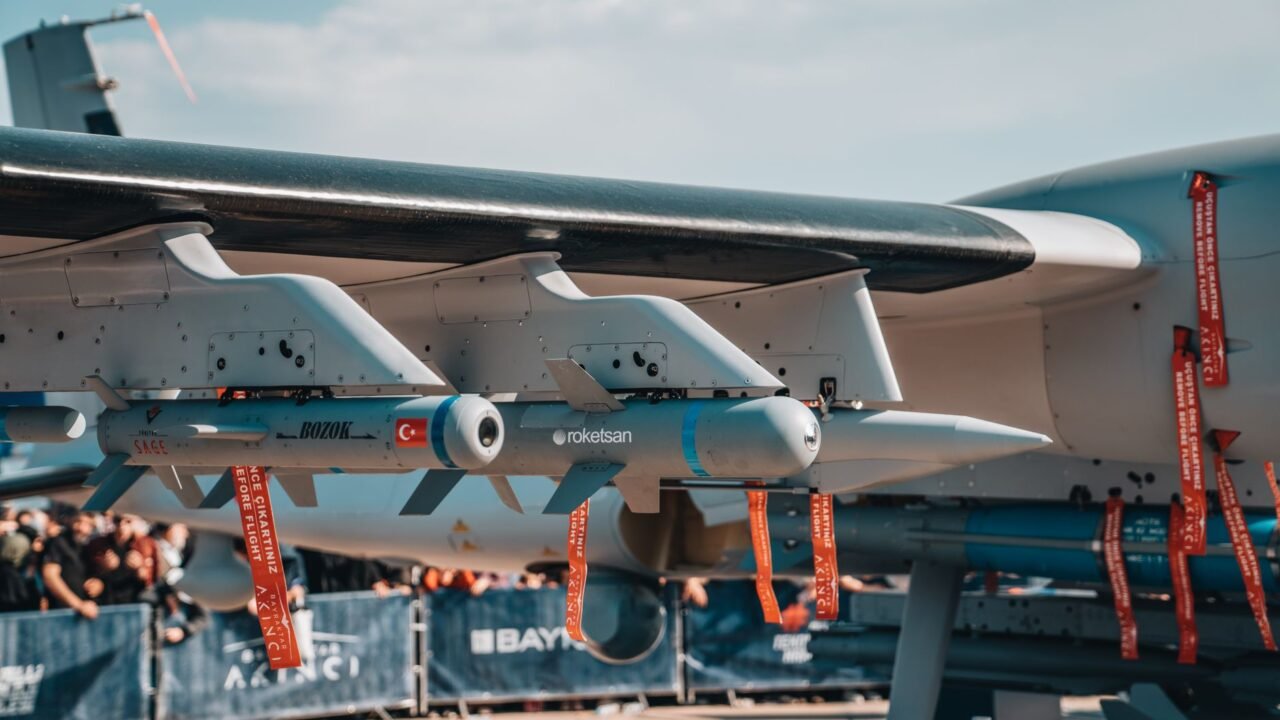
The volatile situation in the Middle East has reached a critical juncture as Iran has reportedly launched a series of missile strikes, prompting heightened alert across the region. The precise targets and scale of the Iranian action remain under intense scrutiny, with international observers closely monitoring developments for any signs of escalation or de-escalation. This latest move by Tehran follows a period of heightened diplomatic maneuvering and military posturing, underscoring the deep-seated animosities and complex geopolitical dynamics at play.
Information reaching Tahir Rihat suggests that the missile launches, while not explicitly detailed in terms of their payload or intended impact, have triggered immediate responses from neighboring countries and global powers. Defense systems are reportedly on high alert, and diplomatic channels are abuzz with urgent consultations aimed at preventing a wider conflict. The international community has long been concerned about the potential for miscalculation or intentional provocation to ignite a conflagration that could destabilize an already fragile region.
The context for these strikes is multifaceted, drawing from a history of proxy conflicts, nuclear program disputes, and direct confrontations. Iran has consistently maintained its right to self-defense and has often responded to perceived threats with assertive military actions. However, the specific triggers for this latest series of launches are still being pieced together by intelligence agencies and news organizations. The timing of the strikes, in relation to any recent incidents or pronouncements, is a key focus for analysts seeking to understand the immediate motivations behind Iran’s actions.
Regional powers, particularly Israel, have been bracing for potential retaliation following a series of incidents that have strained relations. The ongoing shadow war between Iran and Israel, often played out through covert operations and strikes on proxies, has been a constant source of tension. Any direct military engagement between the two nations would carry immense implications for global security and energy markets. The United States, a key ally of Israel, is also closely monitoring the situation and has reportedly been in communication with its partners to assess the threat and coordinate a response.
The international response has been swift, with calls for restraint and de-escalation emanating from various capitals. The United Nations Security Council is expected to convene an emergency session to discuss the unfolding events. Diplomats are working behind the scenes to encourage dialogue and prevent further military action. The specter of a full-blown regional war hangs heavy, with the potential for devastating humanitarian consequences and widespread economic disruption. The global economy, already grappling with inflation and supply chain issues, could be severely impacted by any major conflict in the Persian Gulf region.
The implications of these missile strikes extend beyond the immediate theater of conflict. They raise profound questions about the future of nuclear non-proliferation efforts, the stability of oil supplies, and the broader international order. The world is watching to see how Iran’s actions will be met and whether a diplomatic path can be found to avert a catastrophic escalation. The coming hours and days will be crucial in determining the trajectory of this rapidly evolving crisis.

Tahir Rihat (also known as Tahir Bilal) is an independent journalist, activist, and digital media professional from the Chenab Valley of Jammu and Kashmir, India. He is best known for his work as the Online Editor at The Chenab Times.



Leave a Reply