
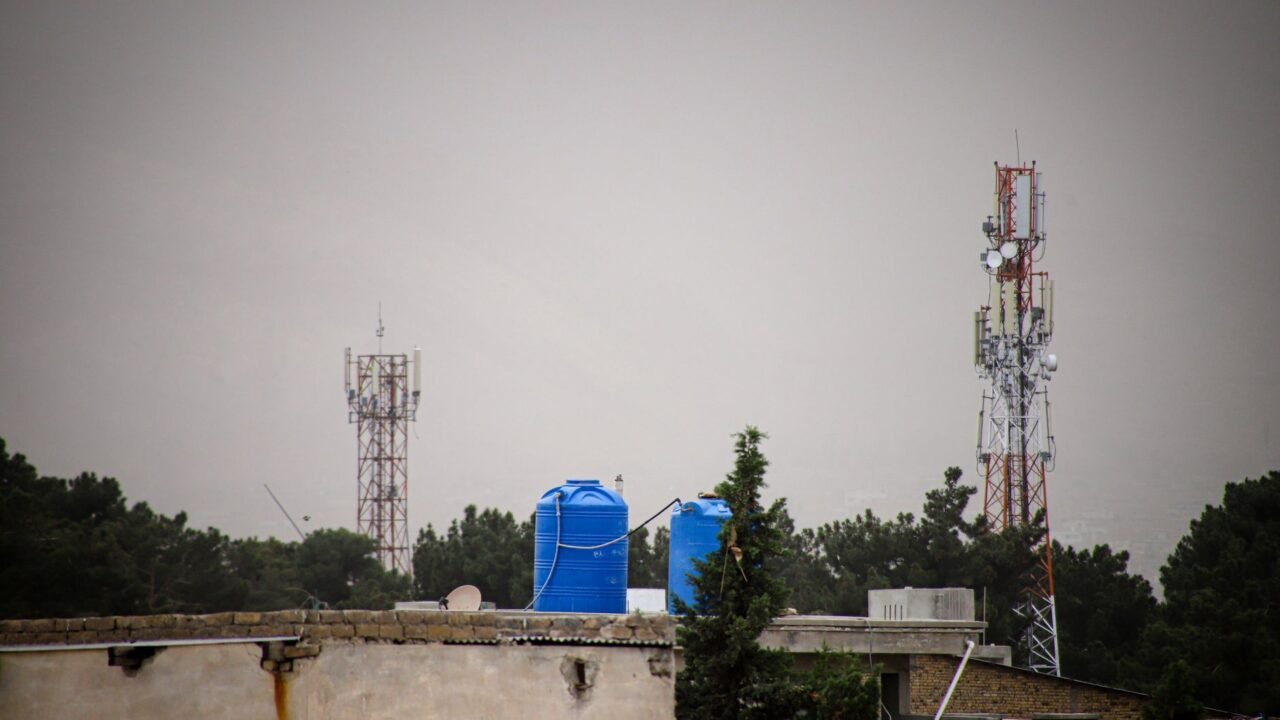
Two critical water tanks, essential for supplying thousands of individuals, have sustained damage following recent strikes within Iran, according to reports from the nation’s state media. The precise nature of the strikes and the entities responsible remain unclear, adding a layer of uncertainty to the unfolding situation.
Local authorities confirmed the damage to the water facilities, emphasizing their importance to the daily lives of a significant population. The incidents have raised concerns about the potential for broader disruptions to essential services and the humanitarian implications for affected communities. Information reaching Tahir Rihat suggests that the full extent of the damage and the immediate impact on water distribution are still being assessed by Iranian officials.
The U.S. military has declined to comment on the reports, offering no immediate confirmation or denial of involvement. This silence from a key international military actor further shrouds the events in ambiguity. The state media’s reporting, while confirming the damage, has not provided specific details regarding the timing, location, or perpetrators of the strikes. This lack of concrete information leaves room for speculation about the motivations and objectives behind such an attack on civilian infrastructure.
The targeting of water infrastructure is a particularly sensitive issue, given its direct impact on public health and sanitation. Access to clean drinking water is a fundamental necessity, and any disruption can have severe consequences, especially in densely populated areas. The reports indicate that the damaged tanks were vital for serving a substantial number of people, implying that a significant portion of the population may now face water shortages or reduced supply.
The international community will likely be closely monitoring the situation for further developments and any official statements from the Iranian government or other involved parties. The lack of immediate attribution for the strikes makes it difficult to ascertain whether this is an internal matter, an act of aggression from a neighboring state, or a consequence of broader geopolitical tensions. The U.S. military’s non-committal stance could be interpreted in various ways, from a lack of knowledge to a deliberate strategic silence.
Further details are expected to emerge as Iranian authorities continue their assessment and potentially release more information. The incident underscores the vulnerability of critical infrastructure in regions experiencing instability or heightened geopolitical competition. The long-term implications for water security and public well-being in the affected areas will depend on the speed and effectiveness of repair efforts and the resolution of the underlying causes of the strikes. The state media’s report serves as the primary source of information currently available, highlighting the challenges in obtaining independent verification of events within Iran.

Tahir Rihat (also known as Tahir Bilal) is an independent journalist, activist, and digital media professional from the Chenab Valley of Jammu and Kashmir, India. He is best known for his work as the Online Editor at The Chenab Times.



Leave a Reply