
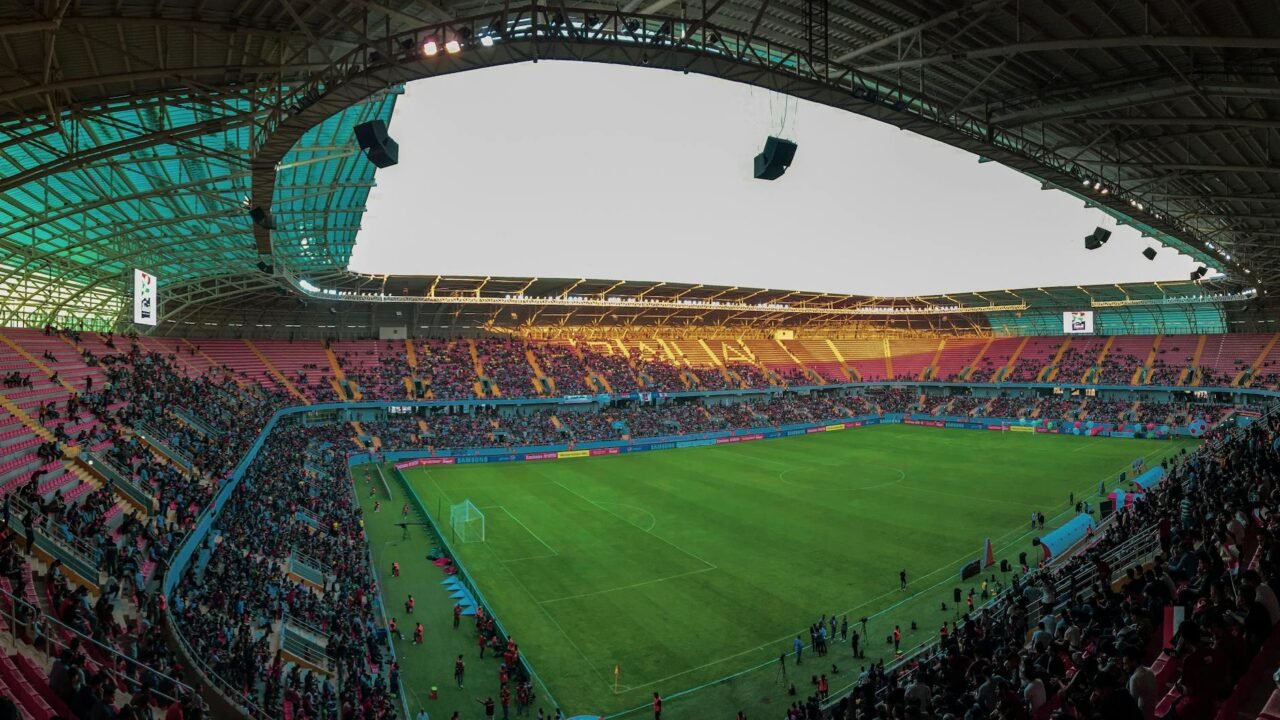
After months of uncertainty that cast a shadow over their participation in the upcoming global football tournament, the Iranian national soccer team has finally received the necessary visas to enter the United States. The players’ entry was confirmed just days before the highly anticipated World Cup is set to commence, alleviating significant concerns about the team’s ability to compete on the international stage.
The approval of the players’ visas marks a crucial development for Iran‘s football federation and its supporters, who had expressed growing apprehension regarding the team’s potential exclusion. Information reaching Tahir Rihat suggests that the diplomatic process, often fraught with complexities, has concluded with a positive outcome for the athletes themselves. This breakthrough allows the squad to focus on their preparations and competitive aspirations without the immediate threat of being barred from the event.
However, the situation remains complicated, as reports indicate that a number of staff members associated with the Iranian team have encountered difficulties in securing their own travel documents. While the core playing contingent has been granted passage, the exclusion of certain personnel raises questions about the full operational capacity and support structure that will accompany the team. The exact reasons for the visa denials for these staff members have not been publicly detailed, adding a layer of ambiguity to the otherwise positive news for the players.
The World Cup, a quadrennial event that captures the attention of billions worldwide, is a significant platform for national pride and international sporting engagement. For Iran, the tournament represents an opportunity to showcase its athletic talent and engage with a global audience. The protracted visa process has been a source of considerable stress, with the Iranian Football Federation and other stakeholders actively lobbying for the necessary permissions.
The diplomatic channels involved in such approvals are often intricate, influenced by a myriad of geopolitical factors. In this instance, the successful issuance of visas for the players underscores a commitment to allowing sporting participation to proceed, even amidst broader international relations that can be complex. The focus now shifts to the team’s performance on the field, with the added narrative of their challenging journey to reach the tournament.
The implications of the staff visa denials are yet to be fully understood. The composition of a national team’s delegation typically includes coaches, medical personnel, administrative staff, and support crew, all of whom play vital roles in a team’s success. The absence of key individuals could potentially impact the team’s morale, training regimen, or overall management during the high-pressure environment of a World Cup.
As the tournament draws near, the Iranian squad will be looking to put these logistical hurdles behind them and concentrate on their sporting objectives. The global football community will be watching to see how the team navigates these circumstances and performs against their international counterparts. The successful entry of the players is a victory in itself, but the unresolved issues regarding staff visas highlight the persistent challenges that can accompany international sporting events, particularly for nations navigating complex diplomatic landscapes.

Tahir Rihat (also known as Tahir Bilal) is an independent journalist, activist, and digital media professional from the Chenab Valley of Jammu and Kashmir, India. He is best known for his work as the Online Editor at The Chenab Times.



Leave a Reply