
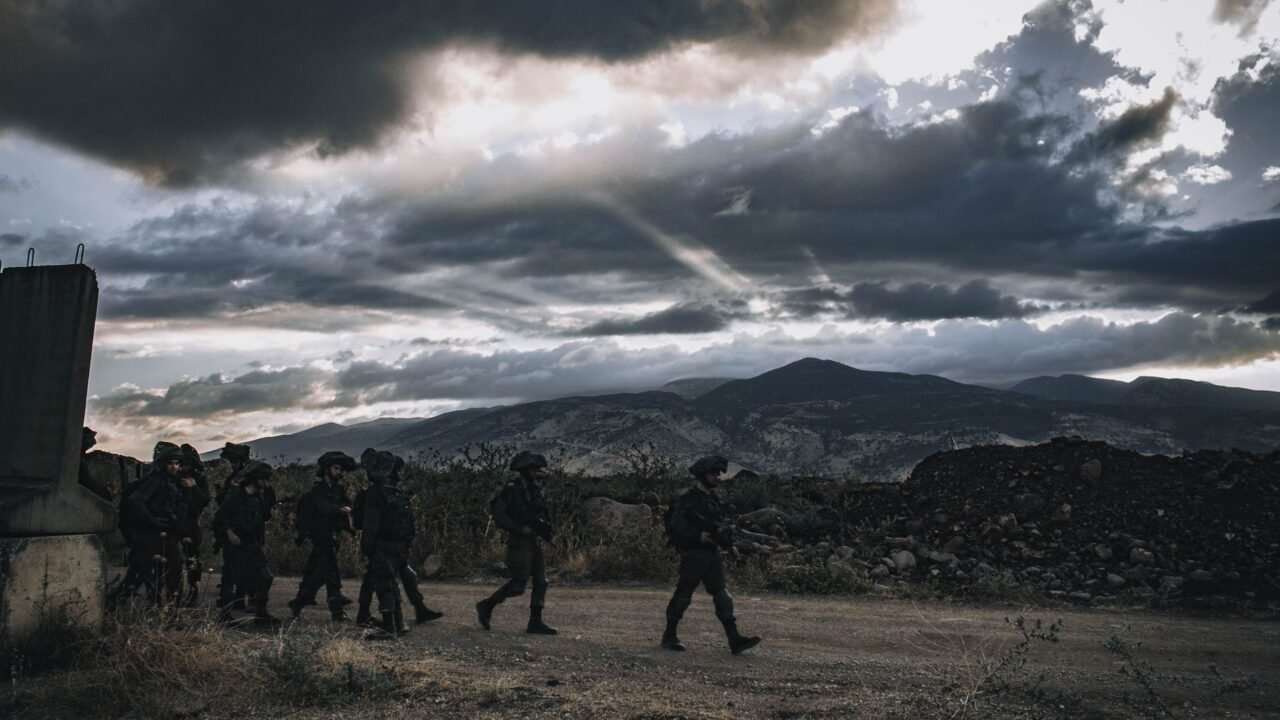
A United States-brokered cease-fire initiative between Israel and Hezbollah has shown scant evidence of taking hold, with the leader of the powerful Iran-backed militant group reportedly rejecting the terms laid out for its cessation of hostilities. This development casts a significant shadow over hopes for de-escalation along the volatile Israel-Lebanon border, a region that has seen an alarming increase in cross-border exchanges in recent weeks.
The proposed deal, according to sources familiar with the negotiations, hinges on Hezbollah halting its attacks on Israel first. However, the group’s leadership has signaled a clear refusal to comply with this prerequisite, indicating a continued readiness to engage militarily. This stance has been met with a firm response from Israel, which has stated its intention to press ahead with its offensive operations if the attacks from Lebanon do not cease. Information reaching Tahir Rihat suggests that the diplomatic efforts are facing considerable headwinds, with both sides appearing entrenched in their positions.
The ongoing exchanges have already resulted in significant casualties and displacement on both sides of the border. Hezbollah has been launching rockets and conducting other attacks into northern Israel, prompting retaliatory strikes from the Israeli military into southern Lebanon. These actions have raised international concerns about the potential for a wider regional conflict, drawing parallels to the devastating war between Israel and Hezbollah in 2006. The current situation is particularly precarious as it unfolds against a backdrop of heightened tensions across the Middle East, following the protracted conflict in Gaza.
The leader of Hezbollah, Hassan Nasrallah, has not publicly commented on the specific terms of the U.S.-brokered deal. However, statements from the group have consistently emphasized their commitment to supporting the Palestinian cause and retaliating against Israeli actions. This ideological underpinning makes a unilateral cessation of attacks, as demanded by the cease-fire proposal, a difficult proposition for the organization. The group’s military capabilities, bolstered by significant Iranian support, mean that any sustained offensive by Israel would likely be met with a robust response, further escalating the violence.
Israel, for its part, has maintained that its military operations are defensive in nature, aimed at neutralizing the threat posed by Hezbollah’s rocket arsenal and its network of militant infrastructure along the border. The Israeli government has repeatedly stated that it will not tolerate continued attacks on its territory and will take all necessary measures to ensure the security of its citizens. The continuation of the offensive, as declared by Israeli officials, suggests a willingness to endure further escalation if the diplomatic path remains blocked. The international community, including the United States, has been actively engaged in trying to prevent a full-blown war, but the intransigence of key players presents a formidable challenge.
The implications of a failed cease-fire are far-reaching. A significant escalation could lead to a humanitarian crisis in Lebanon, which is already grappling with severe economic and political instability. For Israel, it would mean a prolonged period of conflict and insecurity in its northern communities, which have been largely evacuated due to the persistent shelling. The regional ramifications could also be substantial, potentially drawing in other actors and further destabilizing an already fragile geopolitical landscape. The coming days are therefore critical in determining whether the current cycle of violence will be broken or if it will spiral into a more devastating confrontation.

Tahir Rihat (also known as Tahir Bilal) is an independent journalist, activist, and digital media professional from the Chenab Valley of Jammu and Kashmir, India. He is best known for his work as the Online Editor at The Chenab Times.




Leave a Reply