
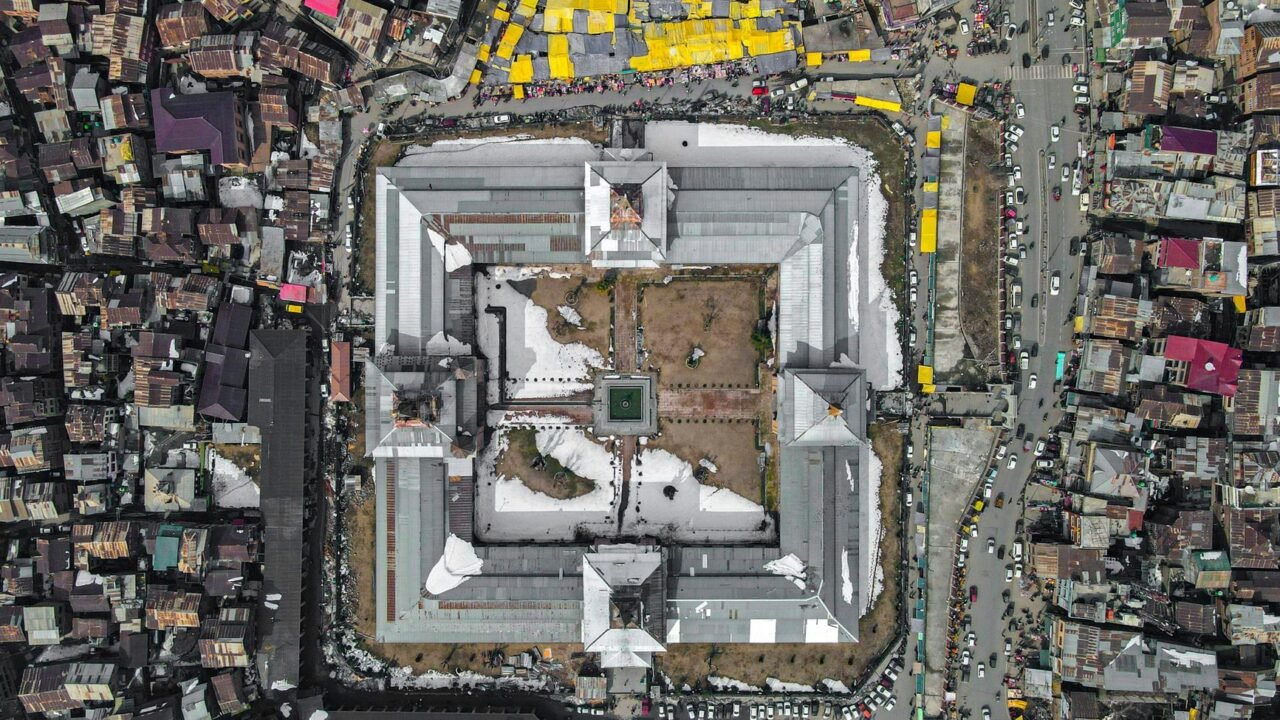
The Jammu and Kashmir Housing & Urban Development Department (H&UDD) has implemented a significant directive aimed at bolstering the architectural scrutiny of all public sector projects across the Union Territory. This new order standardizes the operations and engagement protocols for the Jammu and Kashmir Architects Organization, marking a pivotal step in ensuring robust design and planning standards for government-backed infrastructure.
The directive, issued in continuation of Government Order No. 58-JK(HUD) of 2026, follows a formal resolution adopted by the Council of Ministers. Information reaching TahirRihat.com suggests that this move is part of a broader government framework for restructuring and re-organization, designed to optimize the execution of state-funded and government-backed initiatives. The H&UDD has now made the utilization of the Jammu and Kashmir Architects Organization’s specialized services mandatory for public sector undertakings and executing agencies, thereby ensuring comprehensive architectural oversight throughout the Union Territory.
Under the new guidelines, all government departments, public sector undertakings, and executing agencies are now unequivocally required to leverage the architectural, design, and master-planning expertise offered by the Jammu and Kashmir Architects Organization for any public project. This mandate underscores the government’s commitment to enhancing the quality and efficacy of its infrastructure development. The organization has been officially designated as the Nodal Technical Body, tasked with providing essential architectural consultancy, comprehensive design services, and critical technical vetting for these projects. This designation aims to centralize and streamline the process, ensuring a consistent application of best practices and standards.
In scenarios where the engagement of private architectural firms is deemed absolutely necessary, the directive stipulates that obtaining a prior No Objection Certificate (NOC) from the Jammu and Kashmir Architects Organization is strictly mandatory. This provision ensures that even when external expertise is sought, it is done with the approval and oversight of the designated government body, maintaining a layer of quality control and adherence to established protocols. This measure is expected to prevent ad-hoc engagements and ensure that any private involvement aligns with the overall strategic objectives and standards set for public works.
To ensure the sustainability and regularity of these technical services, a uniform consultancy fee of 1% of the total project cost will be levied for all works where architectural and consultancy services are rendered by the Jammu and Kashmir Architects Organization. This fee structure is intended to provide a stable financial basis for the organization to continue its vital role in project oversight and to cover the costs associated with its specialized services. The implementation of a standardized fee aims to bring transparency and predictability to the consultancy costs associated with public projects, thereby facilitating better financial planning and resource allocation by government entities.
Officials involved in the implementation of this directive have indicated that the comprehensive nature of this order is anticipated to yield significant benefits. It is expected to optimize the allocation of state resources by ensuring that consultancy services are procured efficiently and at a standardized rate. Furthermore, the mandate is designed to enforce strict adherence to regional and sustainable architectural guidelines, promoting environmentally conscious and contextually appropriate designs for all public works. This focus on sustainability is crucial for the long-term viability and ecological balance of development projects within Jammu and Kashmir. The directive also aims to foster institutional efficiency across all upcoming public works and urban development initiatives, streamlining processes and reducing potential delays or inefficiencies that might arise from fragmented or inconsistent architectural oversight.
The emphasis on standardized regional and sustainable architectural guidelines is particularly noteworthy. It suggests a strategic intent to develop infrastructure that is not only functional and aesthetically sound but also harmonizes with the unique geographical and environmental characteristics of Jammu and Kashmir. This approach is vital for preserving the region’s natural beauty and ensuring that development contributes positively to the local ecosystem. By centralizing expertise and mandating rigorous scrutiny, the government aims to elevate the quality of public infrastructure, ensuring that projects are built to last and serve the needs of the community effectively for generations to come. The move is seen as a significant enhancement to the governance framework for infrastructure development in the Union Territory, reinforcing accountability and professional standards in the public sector.

Tahir Rihat (also known as Tahir Bilal) is an independent journalist, activist, and digital media professional from the Chenab Valley of Jammu and Kashmir, India. He is best known for his work as the Online Editor at The Chenab Times.



Leave a Reply