
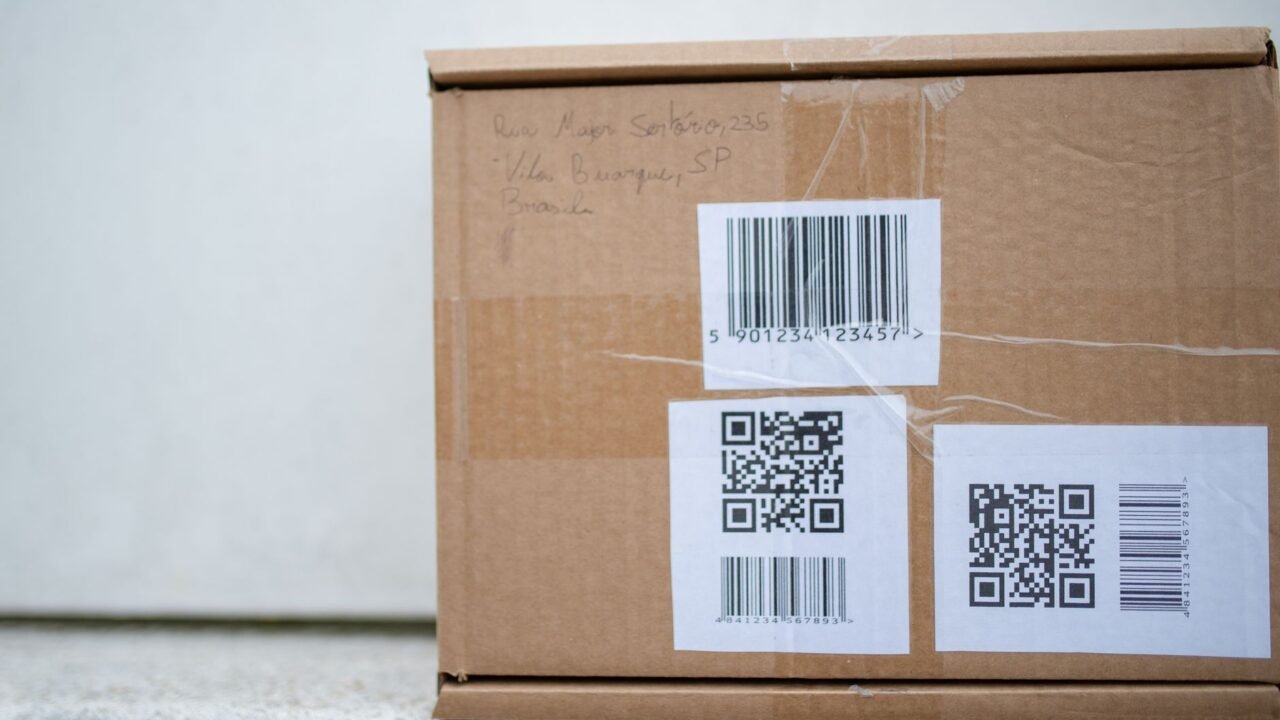
The Department of Handicrafts and Handloom in Kashmir has been honored with the esteemed SKOCH Award for its groundbreaking Geographical Indication (GI) QR Code Management System. This recognition highlights the department’s commitment to leveraging technology to enhance the authenticity, quality, and marketability of the region’s famed handicrafts.
The innovative system, which has been implemented through the Pashmina Testing and Quality Certification Centre (PTQCC) at the Craft Development Institute (CDI) and the NABL-accredited Carpet Testing Laboratory at the Indian Institute of Carpet Technology (IICT) in Srinagar, aims to bolster product integrity and provide greater assurance to consumers. As per information available with TahirRihat.com, this initiative represents one of the nation’s earliest comprehensive QR code-based certification mechanisms specifically designed for handicrafts bearing Geographical Indication tags.
The award ceremony, held in New Delhi, saw Sajid Nazir, a Senior Faculty member at CDI, accept the accolade on behalf of the department. The GI QR Code Management System is designed to empower buyers by enabling them to instantly verify the genuineness, origin, and quality of various Kashmiri crafts. Products such as the renowned Pashmina and Kani shawls, intricate Sozni embroidery, and meticulously hand-knotted carpets, all of which are GI-registered, can now be authenticated through a simple scan of a QR code. This technology allows consumers to trace a product’s journey back to the artisan or institution responsible for its creation, thereby fostering transparency and actively combating the pervasive issue of counterfeiting that has long plagued the sector.
The department has reported that thousands of handicraft items have already been tagged under this pioneering initiative. This widespread adoption is expected to significantly boost consumer confidence, broaden market access for Kashmiri artisans, and contribute to the growth of export markets. The implementation of this system underscores a strategic effort to protect the heritage and economic viability of Kashmir’s traditional crafts in an increasingly globalized marketplace.
Mussarat Islam, Director of Handicrafts and Handloom, Kashmir, extended congratulations to the technical teams at PTQCC and IICT, emphasizing that this award is a testament to the department’s dedication to preserving and promoting the rich tapestry of Kashmir’s craft heritage. He further elaborated on the system’s impact, stating that the QR code mechanism provides artisans with direct visibility to potential buyers. This direct connection facilitates their engagement with consumers and opens avenues to access specialized global markets, ultimately leading to improved economic prospects for the artisans themselves. The system is seen as a crucial tool in ensuring that the unique skills and artistry of Kashmiri craftspeople are recognized and rewarded appropriately, safeguarding their livelihoods and the continuation of their ancestral traditions.
The SKOCH Award is a significant acknowledgment of the department’s forward-thinking approach in integrating technology with traditional craftsmanship. The GI QR Code Management System not only serves as a robust tool for quality control and authenticity verification but also acts as a bridge connecting artisans directly with consumers. This direct link is vital for artisans who may otherwise struggle to navigate complex supply chains and marketing channels. By providing a transparent and verifiable system, the department is working to ensure that the value generated from these exquisite crafts benefits the creators at the grassroots level, fostering a more equitable and sustainable ecosystem for the handicraft sector in Kashmir.
The implications of this award extend beyond mere recognition; it signals a broader trend towards the digitalization of traditional industries to enhance their competitiveness and global reach. The success of Kashmir’s GI QR code system could serve as a model for other regions grappling with similar challenges in protecting and promoting their unique artisanal products. The focus on artisan welfare, coupled with technological innovation, positions the Department of Handicrafts and Handloom, Kashmir, as a leader in modernizing and empowering traditional craft sectors. The ability for consumers to trace the provenance of their purchases also aligns with a growing global demand for ethically sourced and authentically crafted goods, further enhancing the appeal and market potential of Kashmiri handicrafts on the international stage.

Tahir Rihat (also known as Tahir Bilal) is an independent journalist, activist, and digital media professional from the Chenab Valley of Jammu and Kashmir, India. He is best known for his work as the Online Editor at The Chenab Times.






Leave a Reply