
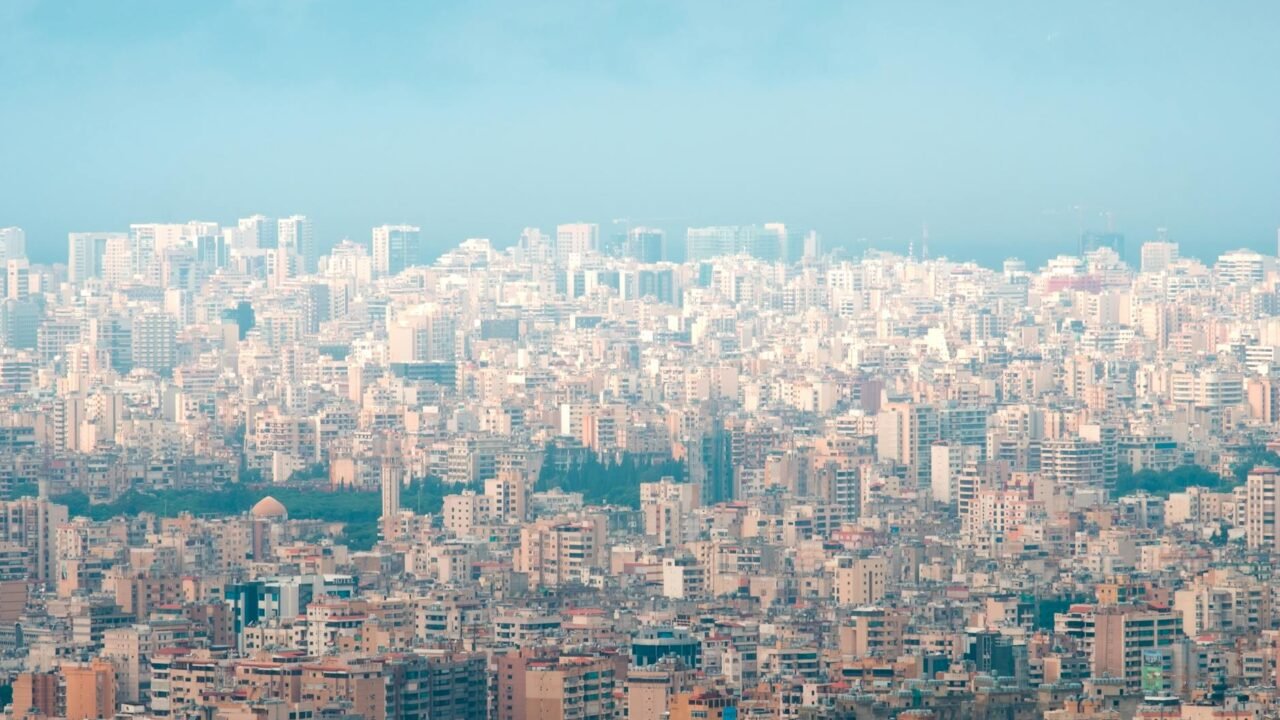
Lebanon finds itself in a precarious position, a nation buffeted by external forces with scant agency in determining its own future. The escalating tensions between the United States, Israel, and Iran cast a long shadow over a country that has already endured significant military strikes. The complex geopolitical landscape means that decisions impacting Lebanon’s stability and sovereignty are largely being made by powers beyond its borders, leaving its populace to grapple with the consequences.
Information reaching Tahir Rihat suggests that the current situation is a culmination of years of regional instability and proxy conflicts, with Lebanon often serving as a battleground or a point of leverage. The nation’s internal political divisions, exacerbated by economic collapse and a humanitarian crisis, make it particularly vulnerable to external pressures. The ongoing military exchanges, while often occurring in neighboring territories or through indirect means, have a tangible and devastating impact on Lebanese infrastructure, civilian lives, and the already fragile economy. The lack of control over these events underscores a profound power imbalance, where the fate of a sovereign nation is being dictated by the strategic calculations of larger global and regional actors.
The United States, a key player in the region, has been actively engaged in diplomatic efforts aimed at de-escalating tensions and preventing a wider conflict. However, these efforts are often intertwined with its broader strategic objectives concerning Iran and its allies. Israel, facing its own security concerns, has signaled its readiness to act decisively to protect its borders, leading to a heightened state of alert and increased risk of escalation. Iran, in turn, views Lebanon as a crucial component of its regional influence, and any perceived threat to its proxies or interests in the country is met with a robust response, often through its affiliated groups.
This intricate web of alliances and rivalries means that Lebanon is caught in a geopolitical tug-of-war. The decisions made in Washington, Jerusalem, and Tehran have direct and often severe repercussions for Beirut and its citizens. The international community, while expressing concern, has largely been unable to forge a unified approach that empowers Lebanon to chart its own course. Instead, the nation is subjected to the whiplash of shifting regional dynamics, with its own internal capacity to respond severely limited by its economic and political fragility.
The military strikes, though sometimes aimed at specific targets or groups, inevitably spill over, causing collateral damage and further destabilizing the country. The economic fallout from such events is immense, compounding the existing crisis that has seen the Lebanese currency plummet and poverty rates soar. The international aid that does trickle in is often insufficient to address the scale of the devastation, and the political paralysis within Lebanon further hinders effective recovery and reconstruction efforts. The narrative of Lebanon enduring threats while others decide its fate is not merely a geopolitical observation but a lived reality for millions of its inhabitants.
Diplomatic channels are constantly active, with various international actors attempting to mediate and find pathways to de-escalation. However, the deep-seated animosities and conflicting interests among the principal powers make any breakthrough exceedingly difficult. The United Nations and other international bodies have called for restraint and adherence to international law, but their influence is often limited when faced with the determined actions of major state and non-state actors. The complexity of the situation is further amplified by the presence of non-state actors within Lebanon, whose actions can provoke responses that have wider regional implications.
The ongoing situation highlights a critical challenge in international relations: how to protect the sovereignty and stability of smaller nations caught in the middle of larger power struggles. Lebanon’s experience serves as a stark reminder of the human cost of geopolitical maneuvering, where the lives and livelihoods of ordinary citizens are directly impacted by decisions made on distant stages. The international community faces a significant test in its ability to move beyond pronouncements of concern and actively support Lebanon’s own efforts to regain control over its destiny, free from the constant threat of external interference and conflict.

Tahir Rihat (also known as Tahir Bilal) is an independent journalist, activist, and digital media professional from the Chenab Valley of Jammu and Kashmir, India. He is best known for his work as the Online Editor at The Chenab Times.
Leave a Reply