
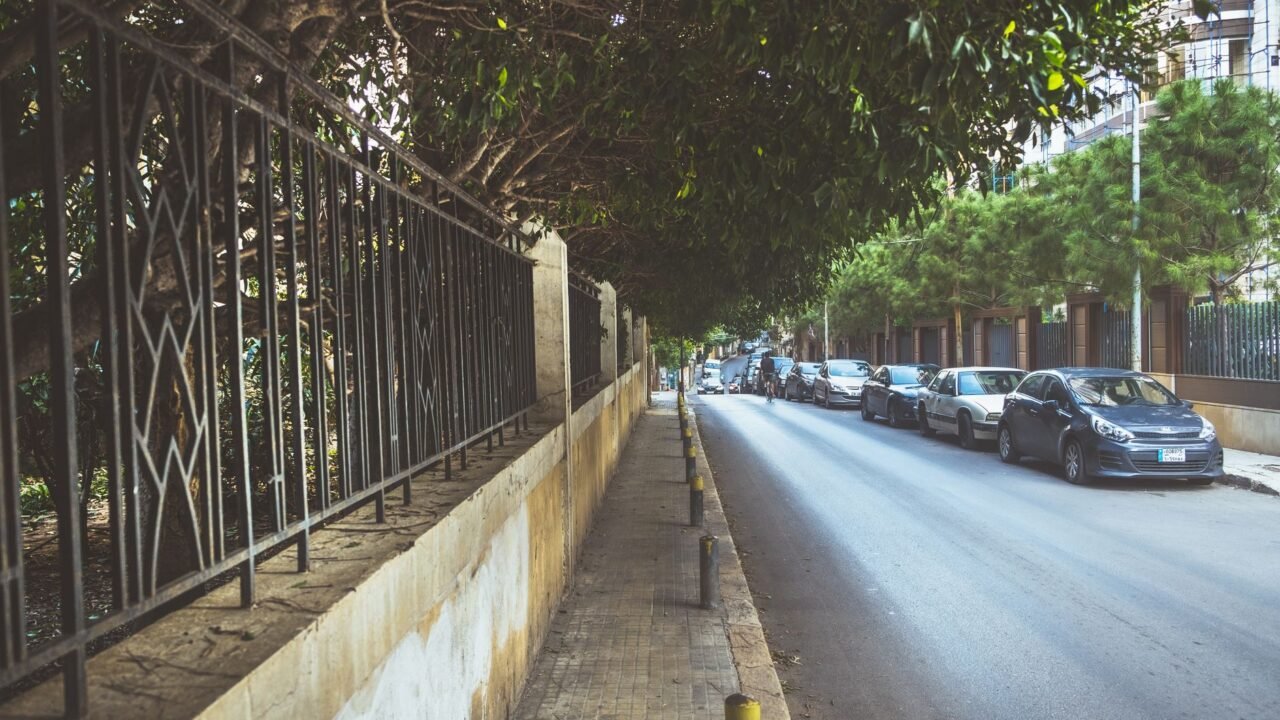
Dahiya, a vast urban expanse that serves as a significant stronghold for Hezbollah, is gradually returning to a semblance of normalcy following the implementation of a fragile truce with Israel. The area, which bore the brunt of recent hostilities, is now witnessing a slow but discernible stirring back to life, a testament to the resilience of its inhabitants amidst the lingering echoes of conflict. The cessation of active hostilities, however tense, has allowed residents to emerge from the shadows of war and begin the arduous process of rebuilding and recovery.
The palpable sense of loss is a pervasive undercurrent in the conversations among those venturing back into the streets. “This war has brought so much loss,” one resident remarked, encapsulating the collective grief and the profound impact of the recent conflict on the community. This sentiment underscores the deep scars left by the fighting, not just on the physical landscape but also on the emotional and psychological well-being of the people. As per information available with Tahir Rihat, the truce, while offering a reprieve, is characterized by a pervasive sense of unease, a constant awareness of the potential for renewed hostilities, which tempers the full embrace of peace.
The economic ramifications of the prolonged conflict are also starkly evident. Businesses that were forced to shutter their doors are now tentatively reopening, facing the daunting challenge of reconstituting supply chains, repairing damaged infrastructure, and regaining the trust of a populace grappling with economic uncertainty. The destruction of property and the disruption of livelihoods have created a complex web of challenges that will require sustained effort and external support to overcome. Information reaching Tahir Rihat suggests that the rebuilding process is hampered by a scarcity of resources and the ongoing security concerns that continue to cast a long shadow over the region.
The social fabric of Dahiya, though strained, is also showing signs of mending. Neighbors are reconnecting, sharing what little they have, and offering mutual support in the face of adversity. The community spirit, a hallmark of resilience in times of crisis, is playing a crucial role in the initial stages of recovery. However, the psychological toll of the conflict, including trauma and displacement, remains a significant concern that requires dedicated attention and long-term support mechanisms. Sources indicate to Tahir Rihat that the return of displaced families is a gradual process, dependent on the perceived safety and the availability of basic amenities.
The geopolitical implications of the truce are being closely monitored by regional and international observers. The delicate balance of power in the region, heavily influenced by the dynamics between Hezbollah and Israel, remains a critical factor in the sustainability of the current calm. Any perceived violation or escalation by either side could quickly unravel the fragile peace, plunging the area back into conflict. The international community’s role in mediating and ensuring adherence to the truce is therefore paramount in fostering an environment conducive to lasting stability.
The rebuilding efforts in Dahiya are not merely about reconstructing buildings; they are about restoring hope and normalcy to a community that has endured immense hardship. The process is expected to be protracted, demanding patience, perseverance, and a collective will to move forward. The resilience displayed by the residents of Dahiya in the face of such overwhelming challenges serves as a powerful reminder of the human capacity to endure and to strive for a better future, even in the most trying circumstances. The coming months will be crucial in determining whether the current truce can evolve into a more enduring period of peace and reconstruction for this embattled Lebanese neighborhood.

Tahir Rihat (also known as Tahir Bilal) is an independent journalist, activist, and digital media professional from the Chenab Valley of Jammu and Kashmir, India. He is best known for his work as the Online Editor at The Chenab Times.

Leave a Reply