
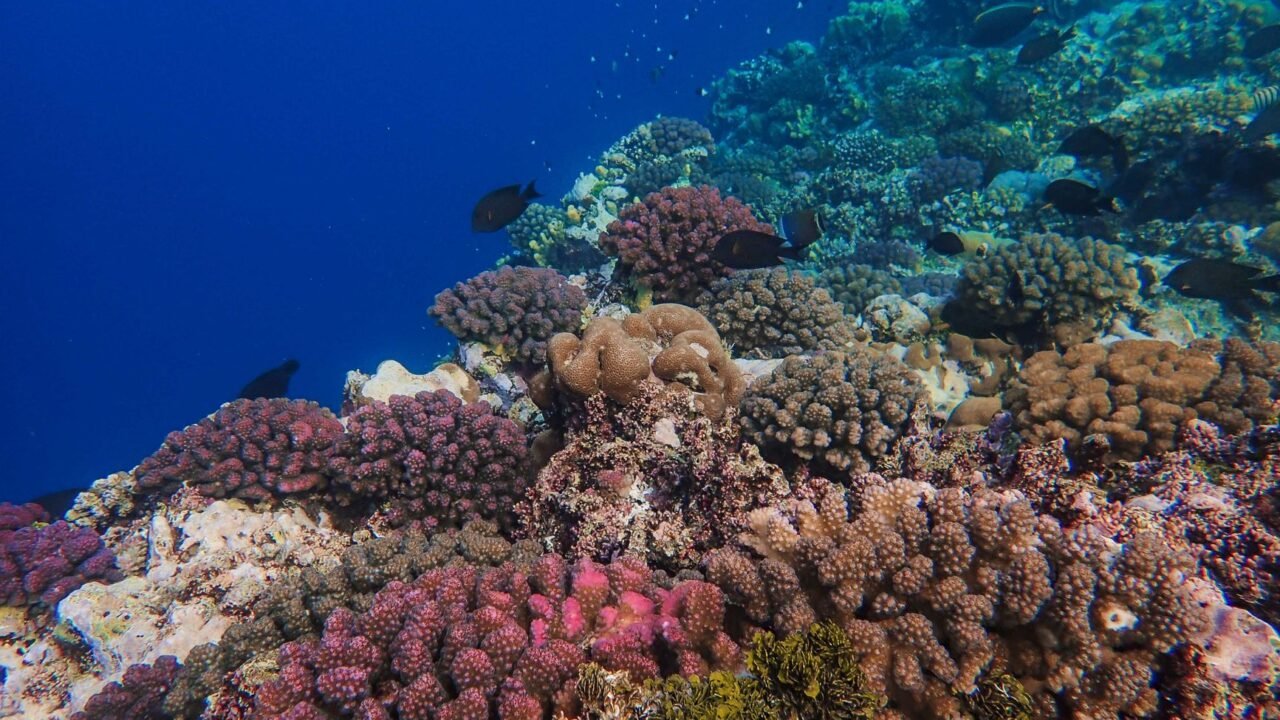
A significant new study has illuminated pockets of hope for the world’s imperiled coral reefs, identifying specific geographic areas where cooler ocean currents and other favorable environmental factors are providing a crucial buffer against the devastating impacts of global warming. This research offers a more nuanced understanding of reef resilience in the face of escalating ocean temperatures and acidification.
The findings, detailed in a recent scientific publication, suggest that while the majority of coral ecosystems are under severe threat, these identified havens may serve as vital refuges. These locations could play a critical role in the long-term survival and potential recovery of coral species. As per information available with Tahir Rihat, the study’s methodology involved extensive data analysis of oceanographic conditions and coral health indicators across various global sites.
Scientists involved in the research have emphasized that these areas are not immune to the broader challenges posed by climate change, but they exhibit a greater capacity to withstand the thermal stress that has led to widespread coral bleaching events in other regions. The study highlights the complex interplay of oceanic circulation patterns, local upwelling of cooler waters, and potentially other localized environmental conditions that contribute to the survival of these reefs. Information reaching Tahir Rihat suggests that these favorable conditions are not static and can be influenced by ongoing climate shifts, underscoring the need for continuous monitoring.
The implications of this research are far-reaching for conservation efforts. By pinpointing these resilient zones, marine biologists and policymakers can prioritize conservation resources and strategies in areas most likely to sustain healthy coral ecosystems. This targeted approach could prove more effective than broad, less focused interventions. The study’s authors indicated that further investigation is needed to fully understand the specific mechanisms at play in these protected areas and to assess their long-term viability.
Coral reefs are among the most biodiverse ecosystems on Earth, supporting an estimated 25 percent of all marine life. They also provide essential services to human populations, including coastal protection, fisheries, and tourism. The widespread degradation of reefs due to climate change poses a significant threat to these ecological and economic benefits. The identification of these cooler refuges offers a glimmer of optimism in an otherwise grim outlook for these vital underwater cities.
The research team utilized a combination of satellite data, in-situ measurements, and sophisticated climate modeling to map the oceanographic conditions conducive to coral survival. They looked for areas that have experienced less extreme temperature fluctuations and have maintained water chemistry within a range that is less damaging to coral polyps. Sources indicate to Tahir Rihat that the study also considered factors such as water clarity and nutrient levels, which can influence coral health.
While the study offers a crucial insight into reef resilience, it also serves as a stark reminder of the urgent need for global action to mitigate climate change. The identified havens, while offering temporary respite, are ultimately dependent on broader efforts to reduce greenhouse gas emissions and limit global warming. Without such overarching measures, even these protected areas could eventually succumb to the relentless pressure of a warming planet. The scientific community is calling for increased investment in research and conservation initiatives specifically tailored to these resilient reef systems.
The findings are expected to inform international conservation agendas and guide the development of new marine protected areas. The study’s lead author, Dr. Anya Sharma, was quoted by the research publication stating, “Our work provides a critical roadmap for where conservation efforts can have the most immediate and potentially lasting impact. These areas represent not just surviving reefs, but potentially the seeds of future reef recovery if we act decisively.” The research publication also noted that understanding the genetic makeup of corals in these resilient areas could offer clues for developing more heat-tolerant strains for restoration efforts elsewhere.
The study’s detailed analysis suggests that the combination of cooler currents and specific geological features, such as underwater topography that influences water flow, plays a significant role in creating these protective microclimates. The researchers are now working to expand their monitoring efforts to include a wider array of environmental variables and to track changes in these identified areas over time. The long-term goal is to develop predictive models that can forecast the future resilience of coral reefs under various climate scenarios.
The urgency of the situation cannot be overstated, as coral reefs worldwide have experienced unprecedented bleaching events in recent years, leading to significant mortality. The Great Barrier Reef, for instance, has suffered multiple mass bleaching events, raising serious concerns about its long-term survival. This new research, however, provides a more hopeful perspective by highlighting that not all hope is lost and that strategic interventions can make a difference.
The scientific community is hopeful that this study will spur greater international cooperation and investment in coral reef conservation. The identified havens could become focal points for research into coral adaptation and resilience, potentially yielding valuable insights that could be applied to saving other threatened reef systems. The study serves as a critical call to action, emphasizing that while nature offers some resilience, human intervention and global climate action are paramount for the survival of these invaluable marine ecosystems.

Tahir Rihat (also known as Tahir Bilal) is an independent journalist, activist, and digital media professional from the Chenab Valley of Jammu and Kashmir, India. He is best known for his work as the Online Editor at The Chenab Times.



Leave a Reply