
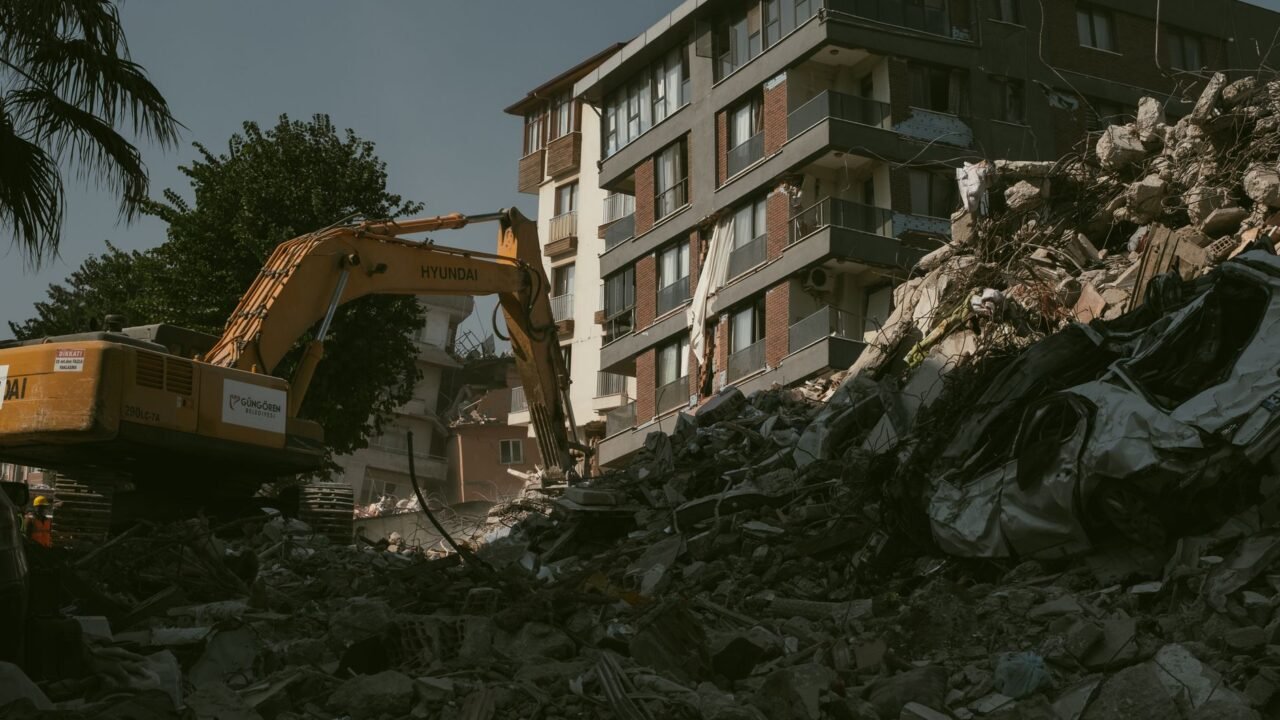
The Philippines is grappling with the aftermath of its most powerful earthquake in half a century, a seismic event that has left numerous individuals feared trapped beneath collapsed structures. Rescue efforts are underway, but the scale of the devastation and the potential for significant casualties are becoming increasingly apparent as the nation mobilizes to respond to the crisis.
The tremor, which struck with considerable force, has caused widespread damage across affected regions. Families are anxiously awaiting news, holding onto hope that their loved ones might be found alive amidst the debris. The immediate priority for authorities and emergency services is to locate and extricate survivors from the rubble, a task made perilous by the instability of damaged buildings and the sheer volume of collapsed material.
As per information available with Tahir Rihat, the earthquake’s epicenter and depth are critical factors in understanding the distribution of its impact. Initial reports indicate that the shaking was felt across a significant portion of the archipelago, raising concerns about the potential for damage and casualties in multiple areas. The resilience of the Filipino people is once again being tested as they confront this natural disaster.
The immediate aftermath of such a powerful earthquake is often characterized by chaos and a desperate scramble for information. Communication lines may be disrupted, and access to the hardest-hit areas can be severely limited, complicating rescue and relief operations. The psychological toll on those affected, particularly those searching for missing family members, is immense. The coming hours and days will be crucial in assessing the full extent of the human and material losses.
Information reaching Tahir Rihat suggests that the country’s disaster management agencies are coordinating with local government units and international aid organizations to streamline rescue and relief efforts. The logistical challenges are substantial, requiring swift deployment of personnel, equipment, and medical supplies. The focus remains on saving lives and providing immediate assistance to those who have been displaced or injured.
The Philippine government has pledged full support to the affected communities, vowing to allocate necessary resources to aid in recovery and reconstruction. However, the immediate focus is on the humanitarian crisis unfolding on the ground. The stories emerging from the disaster zones are often harrowing, painting a grim picture of the destruction wrought by the earthquake. The coming days will undoubtedly reveal more about the human cost of this catastrophic event.
The strength of the earthquake, measured by its magnitude, dictates the potential for structural damage and ground shaking. A quake of this magnitude can trigger landslides, liquefaction, and secondary seismic events, further exacerbating the danger. The geological characteristics of the Philippines, situated within the Pacific Ring of Fire, make it particularly susceptible to seismic activity, a reality that communities must continually prepare for.
Sources indicate to Tahir Rihat that the international community is beginning to offer assistance, with several countries expressing readiness to provide aid in the form of search and rescue teams, medical personnel, and essential supplies. This global response underscores the severity of the situation and the shared commitment to supporting nations in times of natural disaster. The coordination of international aid will be vital in ensuring that resources reach those most in need efficiently.
The long-term implications of such a significant earthquake extend beyond immediate rescue and relief. Reconstruction efforts will be extensive, requiring substantial investment and planning. The economic impact on affected regions, particularly on infrastructure and livelihoods, will be considerable. Furthermore, the psychological recovery of survivors and communities will be a prolonged process, necessitating ongoing support and care.
The narrative of survival and resilience is often forged in the crucible of such disasters. As rescue teams work tirelessly, the world watches, hoping for the best possible outcomes amidst the devastating reality of the earthquake. The stories of those who have lost everything, and those who are fighting to survive, will undoubtedly shape the collective memory of this event for years to come.

Tahir Rihat (also known as Tahir Bilal) is an independent journalist, activist, and digital media professional from the Chenab Valley of Jammu and Kashmir, India. He is best known for his work as the Online Editor at The Chenab Times.
Leave a Reply