
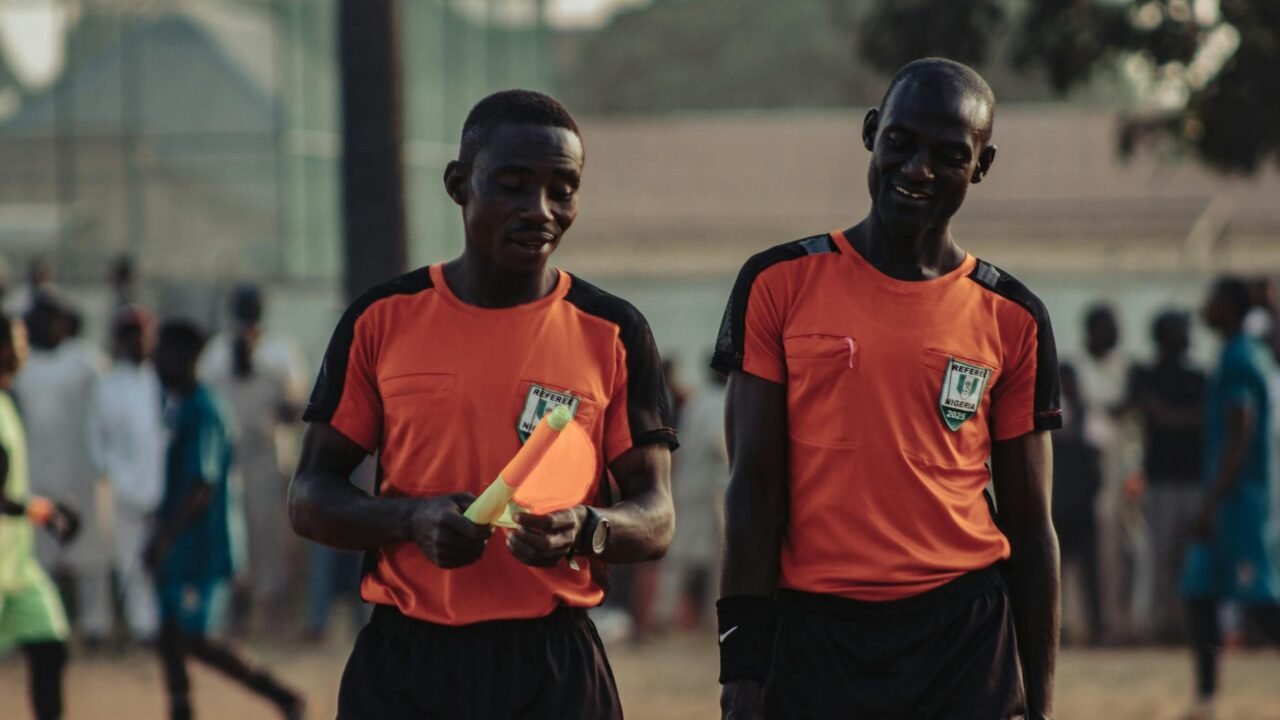
Omar Artan, a distinguished referee selected to officiate at the upcoming FIFA World Cup, was reportedly denied entry into the United States on Saturday due to unspecified “vetting concerns,” according to U.S. officials. The decision has cast a shadow over Artan’s participation in the prestigious international tournament, raising questions about the screening processes for individuals involved in global sporting events.
Artan was among a select group of 52 referees chosen by FIFA to oversee matches during the World Cup. His exclusion from entering the host nation, the United States, marks a significant setback for his career and for the representation of African officials on the global stage. Information reaching Tahir Rihat suggests that the denial of entry was communicated by U.S. authorities, who cited the aforementioned “vetting concerns” as the basis for their decision. The specifics of these concerns have not been publicly disclosed, adding an element of opacity to the situation.
The FIFA World Cup, a quadrennial event that captures the attention of billions worldwide, relies on a robust international contingent of referees to ensure fair play and adherence to the rules of the game. The selection process for these officials is typically rigorous, involving extensive evaluations of their performance, integrity, and background. The denial of entry for a qualified referee like Artan, particularly so close to the commencement of the tournament, is unusual and has prompted inquiries into the effectiveness and transparency of the vetting procedures employed by immigration authorities. The U.S. Customs and Border Protection, the agency responsible for screening individuals entering the country, has yet to provide further details regarding the specific reasons for Artan’s denied entry.
The implications of this incident extend beyond Artan’s personal circumstances. It raises broader concerns about the potential for such administrative hurdles to impact international collaborations and the participation of individuals from various nations in global events. For a country like Somalia, which has faced decades of conflict and instability, the opportunity for its citizens to represent the nation on a world stage like the FIFA World Cup is a source of national pride and a testament to progress. Artan’s potential absence from the tournament due to entry restrictions could be seen as a missed opportunity for positive international visibility for Somalia.
FIFA, the international governing body for football, has not yet issued a public statement regarding Artan’s situation. Typically, FIFA works closely with host nations to facilitate the smooth entry and participation of all accredited personnel, including players, coaches, officials, and media. The organization’s stance on this matter will be closely watched, as it is responsible for upholding the integrity and inclusivity of its flagship event. The process of selecting referees involves a multi-stage evaluation, considering not only their on-field capabilities but also their character and adherence to ethical standards. Any concerns arising during the vetting process would typically be addressed through established protocols, and the nature of the “vetting concerns” remains a critical, yet undisclosed, piece of information.
The United States, as a co-host of the upcoming World Cup, has a significant role in ensuring the security and operational success of the tournament. This includes managing the entry of thousands of international visitors. However, the incident involving Artan highlights the delicate balance between national security measures and the facilitation of international participation in major global events. The lack of detailed explanation from U.S. officials regarding the “vetting concerns” may lead to speculation and could potentially affect the perception of fairness in the entry process. As the World Cup draws nearer, the resolution of this situation, or at least a clearer understanding of the circumstances, will be of considerable interest to the international football community and observers of international relations.
The selection of referees for the FIFA World Cup is a meticulous process overseen by FIFA’s Referees Committee. Candidates are evaluated based on their performance in domestic leagues, international competitions, and their physical and mental fitness. The committee also considers their adherence to FIFA’s Code of Ethics. Once selected, referees are typically provided with the necessary documentation and support to ensure their travel and participation. The denial of entry for a selected official suggests that the vetting process, which often involves collaboration between FIFA and the host nation’s immigration and security agencies, identified an issue that could not be resolved in time for the tournament. The specific nature of these “vetting concerns” could range from immigration history to security-related issues, but without official clarification, these remain speculative. The impact on the tournament’s officiating roster, while potentially minor in terms of numbers, carries symbolic weight, particularly for a referee from a nation striving to gain greater international recognition.

Tahir Rihat (also known as Tahir Bilal) is an independent journalist, activist, and digital media professional from the Chenab Valley of Jammu and Kashmir, India. He is best known for his work as the Online Editor at The Chenab Times.




Leave a Reply