
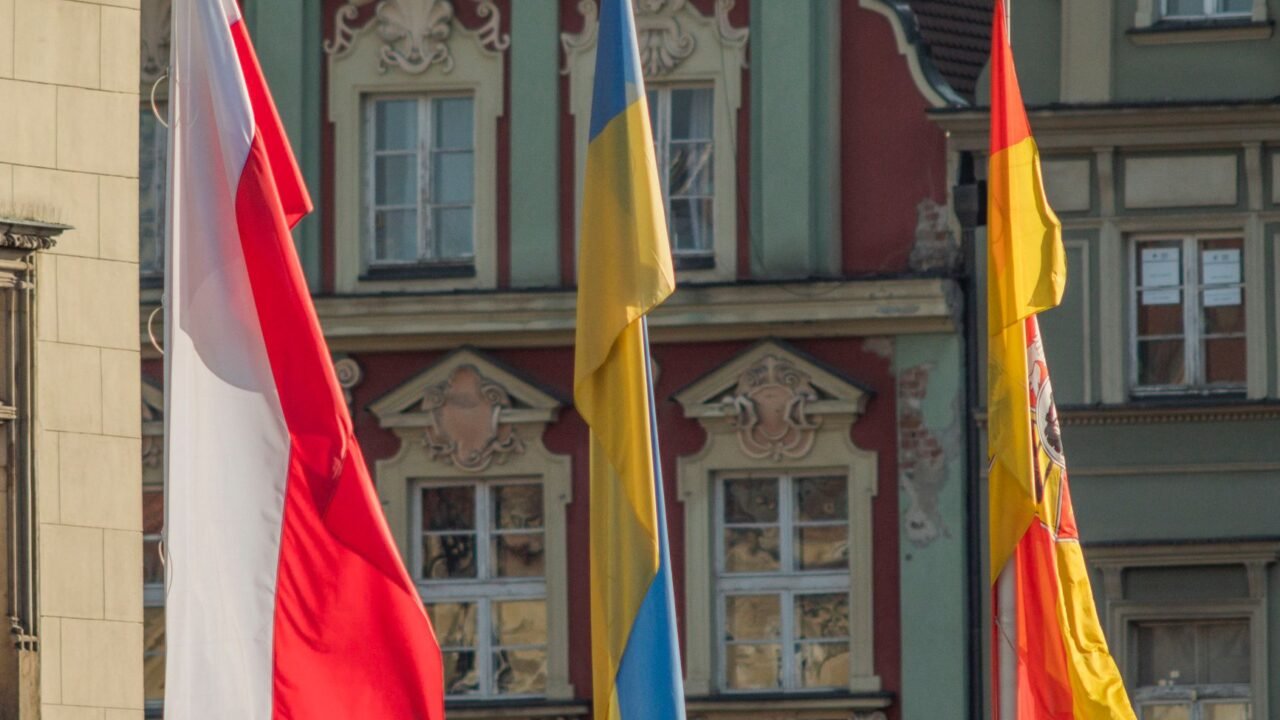
A recent decree signed by Ukrainian President Volodymyr Zelensky, which honors World War II partisan fighters, has significantly inflamed historical tensions with Warsaw, threatening to undermine the robust alliance between Ukraine and Poland. The move, intended to recognize figures who fought against Nazi occupation, has been met with strong disapproval in Poland, where some of these same partisan groups are remembered for actions that led to the deaths of Polish civilians during the war.
The decree, which has not been fully detailed in public statements, is understood to elevate the status of certain historical figures and organizations that played a role in Ukraine’s struggle for independence and resistance during the 1940s. However, the historical narrative surrounding these groups is deeply contentious, particularly concerning their involvement in ethnic cleansing campaigns against Poles in Volhynia and Eastern Galicia. These events, which occurred between 1943 and 1945, resulted in the deaths of tens of thousands of Polish men, women, and children, and remain a raw wound in Polish collective memory.
Information reaching Tahir Rihat suggests that Polish officials and a significant segment of the public view Zelensky’s decree as a tacit endorsement of individuals and movements that committed atrocities. This perception is particularly damaging given the strong support Poland has shown Ukraine since the full-scale Russian invasion in February 2022. Warsaw has been a crucial logistical hub for Western aid, has welcomed millions of Ukrainian refugees, and has been a vocal advocate for Ukraine’s sovereignty on the international stage. The current friction risks complicating these vital diplomatic and humanitarian efforts.
The Ukrainian government has consistently maintained that its historical narratives are focused on national liberation and resistance against foreign powers, including both Nazi Germany and the Soviet Union. President Zelensky has often spoken of Ukraine’s right to define its own heroes and its own historical path. However, critics in Poland argue that this narrative often overlooks or downplays the suffering inflicted upon other ethnic groups, particularly Poles, by some of the very figures being honored.
The Polish Foreign Ministry has reportedly expressed its concerns to Kyiv, emphasizing the need for historical reconciliation and mutual understanding. The Polish Institute of National Remembrance, an official body tasked with researching and commemorating the victims of Nazi and Soviet repression, has been a vocal critic of Ukraine’s glorification of certain nationalist figures. The institute has documented extensive evidence of massacres perpetrated by Ukrainian nationalist units against Polish populations during World War II.
The timing of this decree is particularly sensitive. As Ukraine continues to fight for its survival against Russian aggression, maintaining a united front with its key European allies is paramount. Poland’s unwavering support has been instrumental in bolstering Ukraine’s defense and its integration into Western structures. Any significant rift between the two nations could be exploited by Russia, which has long sought to sow discord among Ukraine’s allies.
Historians on both sides have long grappled with the complex and often tragic legacy of World War II in the region. The intermingled histories of Polish and Ukrainian national movements, their shared experiences of occupation, and their often-conflicting aspirations for statehood have created a deeply intricate and painful historical tapestry. While some progress has been made in acknowledging shared suffering and promoting dialogue, events like this decree can reopen old wounds and hinder further reconciliation efforts.
The Ukrainian government’s position is often framed within the context of national identity formation and the struggle against Soviet influence, which sought to suppress Ukrainian national aspirations. Many Ukrainian historians and nationalists view the partisan fighters as heroes who fought for Ukraine’s freedom, even if their actions were sometimes brutal. This perspective often clashes with the Polish view, which prioritizes the victims of these actions and the need for accountability for war crimes.
The implications of this historical dispute extend beyond bilateral relations. It raises questions about how nations reconcile their past, particularly when national heroes are perceived as perpetrators by neighboring countries. The international community, which is closely watching the Ukraine-Russia conflict, also observes how these historical narratives are managed and whether they can be overcome in the pursuit of common strategic goals. The current geopolitical climate demands a high degree of solidarity, and any factor that erodes trust or creates division is a cause for concern.
The Ukrainian side has, in the past, indicated a willingness to engage in dialogue and to acknowledge the suffering of all victims. However, the specific nature of President Zelensky’s decree and its public reception in Poland suggest that the path to full historical reconciliation remains fraught with challenges. The ongoing conflict with Russia adds a layer of urgency to these matters, as a strong and unified Eastern flank is crucial for Ukraine’s long-term security and sovereignty.
The strategic importance of the Ukraine-Poland alliance cannot be overstated. Poland has been a linchpin in supporting Ukraine’s military efforts, providing crucial weapons, training, and intelligence. Furthermore, Poland has been a leading voice in the European Union and NATO, pushing for stronger sanctions against Russia and greater support for Kyiv. A significant deterioration in relations could weaken this united front and embolden Moscow.
The current situation underscores the enduring power of historical memory and its capacity to influence contemporary political relations, even in times of acute crisis. For Ukraine, the struggle for national identity and recognition of its historical fight for independence is deeply intertwined with its current existential battle. For Poland, the memory of past atrocities serves as a stark reminder of the importance of human rights and the need for justice, even when dealing with allies.
The coming weeks and months will be critical in determining how this historical dispute impacts the broader Ukraine-Poland relationship and, by extension, the broader European security landscape. Diplomatic efforts are expected to intensify as both sides seek to manage the fallout from the decree and prevent it from causing irreparable damage to their crucial partnership.

Tahir Rihat (also known as Tahir Bilal) is an independent journalist, activist, and digital media professional from the Chenab Valley of Jammu and Kashmir, India. He is best known for his work as the Online Editor at The Chenab Times.
Leave a Reply