
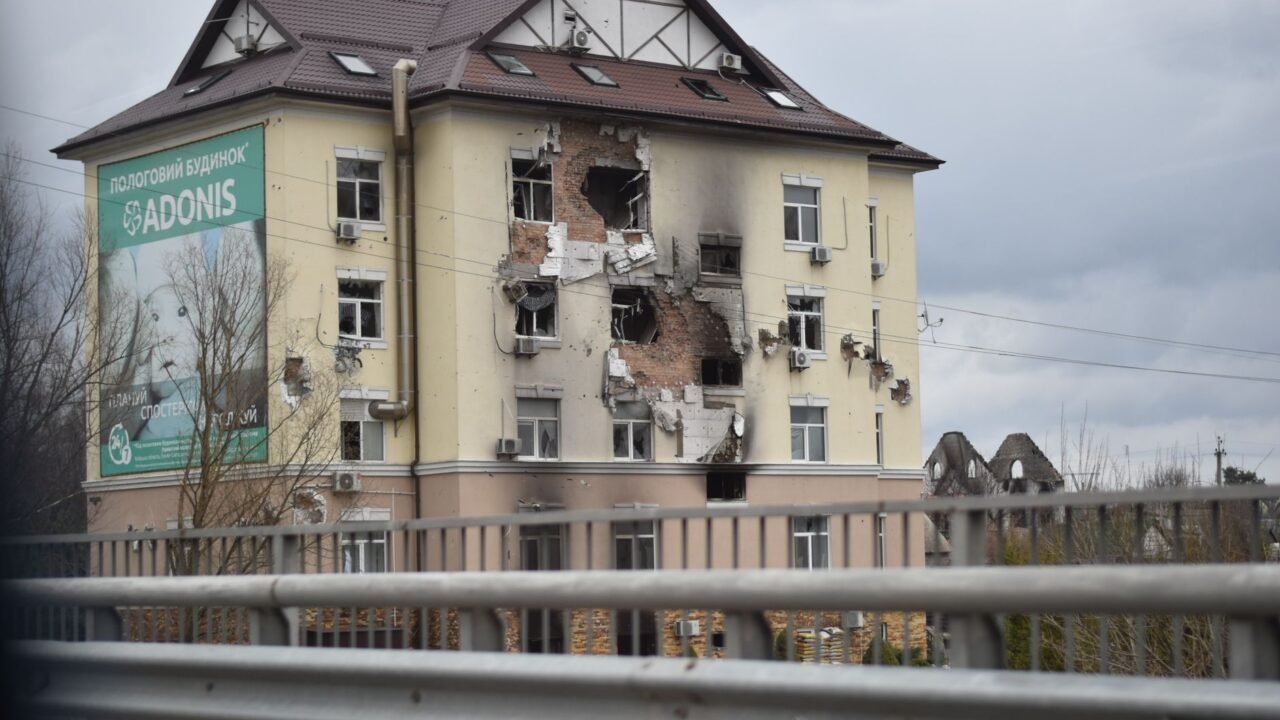
Ukraine launched a drone attack targeting an oil facility in Moscow on Saturday, a significant escalation that occurred as leaders of the Group of Seven (G7) nations convened for their annual summit. The strike on the Russian capital comes just a day after Russia conducted extensive missile and drone barrages against Kyiv and other Ukrainian cities, resulting in civilian casualties and damage to a historic cathedral.
The precise impact and extent of damage at the Moscow oil facility remain unclear, but the timing of the assault underscores the intensifying conflict and the strategic reach of Ukraine’s retaliatory capabilities. This latest development is unfolding against a backdrop of heightened international diplomacy, with G7 leaders gathering to discuss ongoing support for Ukraine and strategies to counter Russian aggression. The attacks highlight the volatile nature of the war, which continues to spill over in terms of economic and security implications beyond the immediate battlefield.
Information reaching Tahir Rihat suggests that the drone operation aimed to disrupt Russia’s energy infrastructure, a key source of revenue for the Kremlin. Such attacks are increasingly being employed by Ukraine as a means to pressure Russia economically and demonstrate its resolve in the face of sustained Russian military action. The targeting of facilities within Russia itself represents a strategic shift, moving the conflict’s direct impact closer to the heart of the aggressor nation.
The previous day’s Russian attacks, which killed at least 11 people and damaged a revered cathedral, served as a grim reminder of the ongoing devastation in Ukraine. These actions have been widely condemned by international observers and have fueled further calls for robust support for Ukraine’s defense. The cycle of retaliatory strikes and counter-strikes illustrates the deepening entrenchment of the conflict and the challenges faced by international mediators seeking a path to de-escalation.
The G7 summit, held in Italy, is expected to address a range of critical issues, including further financial and military aid for Ukraine, sanctions against Russia, and efforts to stabilize global energy markets. The drone attack on Moscow is likely to be a prominent topic of discussion among the world leaders, potentially influencing the tenor and outcomes of their deliberations. The ability of Ukraine to project force into Russian territory, even with drones, adds a new dimension to the geopolitical landscape and the ongoing debate over the international community’s response to the war.
Analysts suggest that such strikes, while potentially limited in their immediate physical impact on Russia’s vast energy sector, carry significant symbolic and psychological weight. They demonstrate Ukraine’s capacity to inflict damage on Russian soil and challenge the perception of Moscow’s invulnerability. This could embolden Ukraine’s allies to consider more assertive measures and further isolate Russia on the global stage. The effectiveness and frequency of these drone attacks will be closely monitored as the conflict progresses.
The ongoing conflict has had far-reaching consequences, disrupting global supply chains, exacerbating energy price volatility, and leading to a significant humanitarian crisis. The G7’s commitment to supporting Ukraine is crucial, but the escalating nature of the attacks, including those within Russia, presents complex challenges for diplomatic solutions and long-term stability. The international community is grappling with how to balance support for Ukraine’s sovereignty with the risks of further escalation.
The attacks on both sides are indicative of a war that is increasingly characterized by asymmetric tactics and a willingness to strike at critical infrastructure. As the G7 leaders deliberate on the future of their engagement with Russia and Ukraine, the events of the past 48 hours underscore the urgency and complexity of the situation. The resilience of Ukraine in the face of sustained aggression, coupled with its growing capacity for offensive operations, continues to shape the dynamics of the conflict and its global implications.

Tahir Rihat (also known as Tahir Bilal) is an independent journalist, activist, and digital media professional from the Chenab Valley of Jammu and Kashmir, India. He is best known for his work as the Online Editor at The Chenab Times.



Leave a Reply