
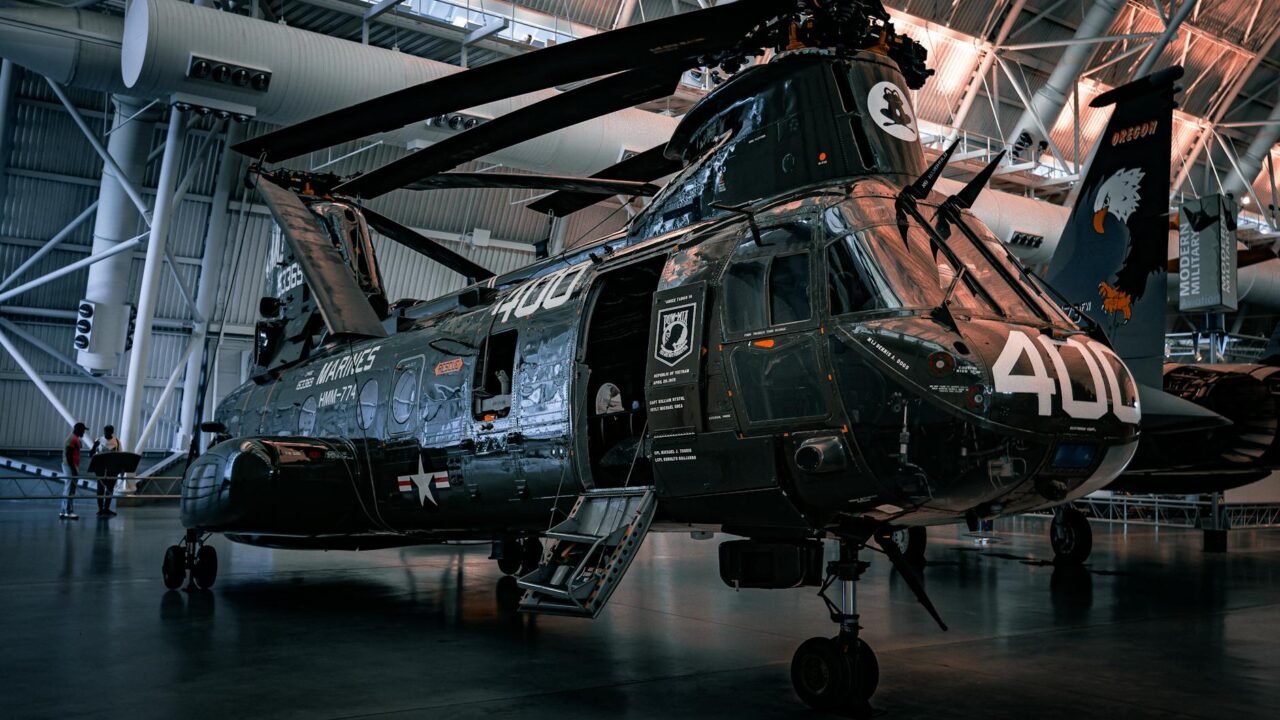
A United States helicopter crew has been successfully rescued following an incident where their aircraft went down in the vicinity of the Strait of Hormuz. The exact circumstances leading to the emergency landing or crash were not immediately clear, according to initial reports. The event occurred at a time when the fragile cease-fire in an ongoing conflict has shown signs of weakening, adding a layer of tension to the region.
Information reaching Tahir Rihat suggests that the swift response of rescue teams was crucial in ensuring the safety of the personnel involved. Details regarding the type of helicopter and its specific mission have not been publicly disclosed. The Strait of Hormuz, a vital chokepoint for global oil supplies, is a strategically sensitive area where naval presence is often heightened due to geopolitical considerations.
The U.S. military has a significant presence in the region, conducting various operations to ensure maritime security and deter potential aggressors. Incidents involving military aircraft, while rare, underscore the inherent risks associated with operating in complex and sometimes volatile environments. The focus immediately after the incident shifted to the well-being of the crew and the recovery of the aircraft, if feasible.
Further details are expected to emerge as an investigation into the cause of the incident commences. The U.S. military typically conducts thorough reviews of any aviation mishaps to determine contributing factors and implement measures to prevent future occurrences. The proximity of the Strait of Hormuz to active conflict zones means that any unusual activity in the area is closely monitored by regional and international powers.
The tenuous nature of the current cease-fire in the war mentioned in the reports indicates a period of heightened alert. Any disruption or perceived threat in such a sensitive maritime passage can have far-reaching implications for regional stability and global energy markets. The successful rescue of the crew, however, provides a measure of relief amidst the prevailing concerns.
The U.S. Department of Defense is expected to release more information once the initial recovery and safety protocols are completed. The incident serves as a stark reminder of the ongoing challenges faced by military forces operating in critical geopolitical areas. The Strait of Hormuz has historically been a flashpoint, and any military activity in its waters or airspace is subject to intense scrutiny.
The operational readiness and rapid response capabilities of U.S. forces in the region were evident in the promptness of the rescue operation. The ability to quickly extract personnel from a downed aircraft is a testament to the training and resources dedicated to such contingencies. As the situation develops, the international community will be closely watching for any statements from U.S. officials regarding the incident and its potential impact on regional security dynamics.
The strategic importance of the Strait of Hormuz cannot be overstated. It is a narrow waterway through which approximately 30% of the world’s seaborne oil passes. Any disruption to this flow could have significant economic consequences globally. Therefore, maintaining freedom of navigation and ensuring the safety of maritime traffic in this region is a paramount concern for many nations.
The U.S. military’s commitment to regional security, particularly in the Persian Gulf, is a long-standing policy. This commitment involves a continuous presence of naval assets and air power to deter threats and respond to emergencies. The incident involving the helicopter, while concerning, highlights the operational realities faced by these forces on a daily basis.
As the investigation unfolds, it is anticipated that information regarding the technical aspects of the helicopter’s failure, if any, will be thoroughly examined. Aviation safety is a top priority for all military branches, and such incidents trigger comprehensive reviews of procedures, equipment, and pilot training. The outcome of these reviews often leads to enhanced safety protocols across the force.
The broader geopolitical context, including the aforementioned tenuous cease-fire, adds another layer of complexity to the interpretation of this event. While the incident itself may be attributed to mechanical failure or human error, the timing and location can fuel speculation and heighten regional tensions. It is crucial, therefore, that official statements provide clarity and avoid ambiguity.
The successful rescue operation is a positive outcome that mitigates the potential human cost of such an incident. The focus now shifts to understanding the cause and ensuring that lessons learned are incorporated into future operations. The U.S. military’s operational tempo in the Strait of Hormuz and surrounding waters remains high, reflecting the ongoing security challenges in the region.
The international community relies on the stability of this vital maritime route. Any event that could potentially jeopardize this stability is met with concern. The U.S. military’s role in ensuring the free flow of commerce and deterring hostile actions is a critical component of global economic security. The incident, therefore, is being closely observed by various international stakeholders.
The coming days will likely see further updates from U.S. military officials as more information becomes available. The priority remains the safety and well-being of the crew and the thorough investigation of the incident to maintain the highest standards of operational safety and effectiveness in a challenging operational environment.

Tahir Rihat (also known as Tahir Bilal) is an independent journalist, activist, and digital media professional from the Chenab Valley of Jammu and Kashmir, India. He is best known for his work as the Online Editor at The Chenab Times.






Leave a Reply