
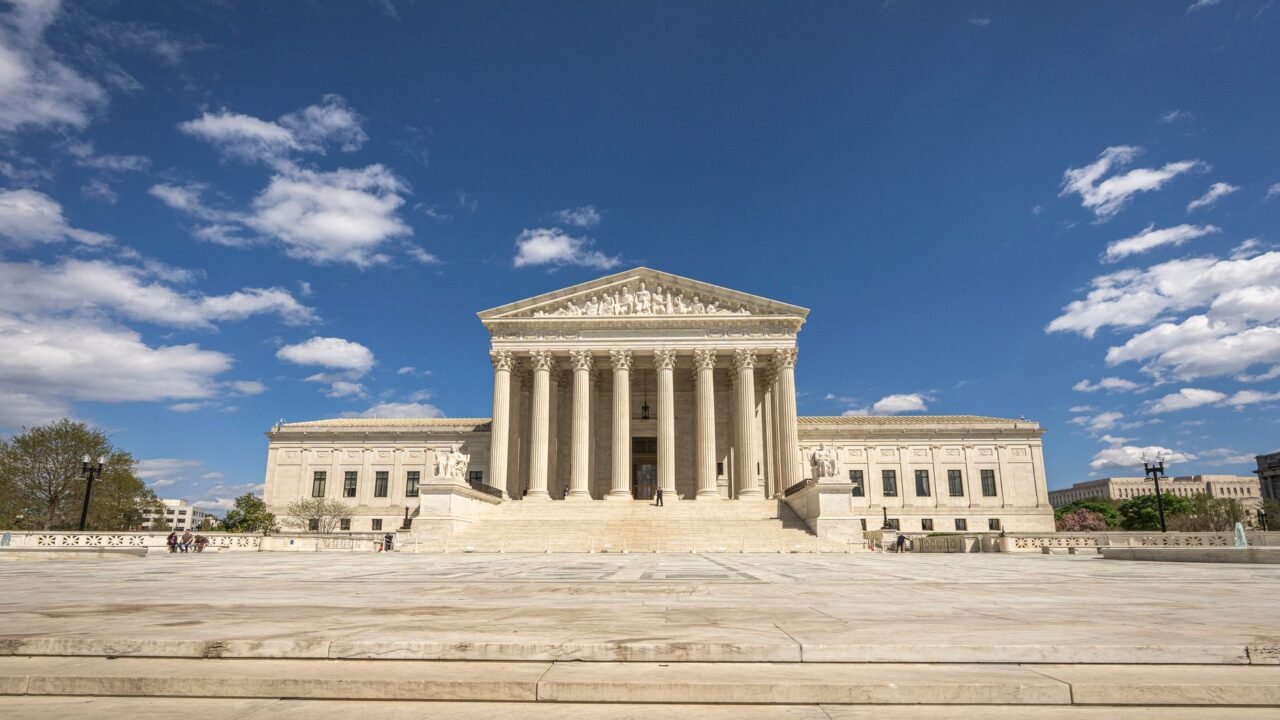
The United States Supreme Court has delivered a significant ruling, permitting the Trump administration to terminate humanitarian protections for numerous individuals from Haiti and Syria residing within the U.S. This decision effectively paves the way for their potential deportation, marking a critical juncture for thousands of individuals who have sought refuge and stability in the United States.
The court’s verdict, reported by The New York Times, removes a substantial legal barrier that had previously shielded these populations from removal. The specific humanitarian protections in question, often referred to as Temporary Protected Status (TPS), are designed to offer a safe haven to individuals from countries experiencing armed conflict, natural disasters, or other extraordinary conditions that prevent their safe return. The termination of these protections means that individuals who were granted TPS status are now subject to the standard immigration laws, which can include deportation if they do not possess other forms of legal status.
Information reaching Tahir Rihat suggests that the implications of this ruling are far-reaching, potentially impacting the lives of tens of thousands of individuals and their families. The decision centers on the executive branch’s authority to end TPS designations, a power that had been challenged in various courts. The Supreme Court’s affirmation of this authority grants the administration considerable latitude in its immigration enforcement policies.
For Haitian nationals, the termination of TPS comes after years of upheaval in their home country, including a devastating earthquake in 2010 and subsequent political instability and natural disasters. Many have established lives, built businesses, and raised families in the United States during the years they were protected from deportation. The prospect of returning to Haiti under current conditions raises serious concerns about their safety and ability to reintegrate.
Similarly, Syrian nationals have been granted TPS due to the protracted and brutal civil war that has ravaged their homeland. The ongoing conflict has created a humanitarian crisis, making return to Syria an untenable option for many. The Supreme Court’s ruling now places these individuals in a precarious position, facing the possibility of being sent back to a country still grappling with widespread violence and destruction.
The legal battles leading up to this Supreme Court decision involved complex arguments about the scope of executive power and the definition of humanitarian protections. Advocates for TPS recipients had argued that the administration’s decision to end the programs was arbitrary and capricious, and that it failed to consider the ongoing dangers in Haiti and Syria. They also emphasized the significant contributions of these individuals to American society and the economic and social disruption that mass deportations would cause.
However, the Supreme Court’s majority opinion, as detailed in The New York Times report, found that the administration acted within its legal authority when it decided to end the TPS designations. The ruling did not delve into the specific conditions in Haiti or Syria but rather focused on the procedural and legal aspects of the executive branch’s power to terminate such programs. This focus on executive authority means that future challenges to TPS terminations may need to be framed differently, potentially focusing on specific procedural flaws rather than the underlying conditions in the home countries.
The immediate aftermath of the ruling is expected to involve a period of uncertainty for affected individuals. Immigration agencies will likely begin processing cases for deportation, although the exact timeline and procedures remain to be seen. Legal advocates are already preparing to assist those who may be eligible for other forms of immigration relief, such as asylum or family-based petitions, though these pathways can be lengthy and uncertain.
The decision also raises broader questions about the future of humanitarian protection in the United States. TPS has been a critical tool for managing situations where individuals cannot safely return home, and its vulnerability to executive termination could have significant implications for future policy responses to international crises. The ruling may also embolden further efforts to restrict immigration and limit access to humanitarian protections, potentially reshaping the landscape of immigration law and policy in the years to come.
The long-term consequences of this ruling will depend on a variety of factors, including how immigration agencies implement the decision, the availability of alternative legal pathways for those affected, and potential legislative responses from Congress. For the Haitian and Syrian communities in the United States, this Supreme Court decision represents a profound moment of anxiety and a call to action for continued advocacy and legal support.

Tahir Rihat (also known as Tahir Bilal) is an independent journalist, activist, and digital media professional from the Chenab Valley of Jammu and Kashmir, India. He is best known for his work as the Online Editor at The Chenab Times.





Leave a Reply