
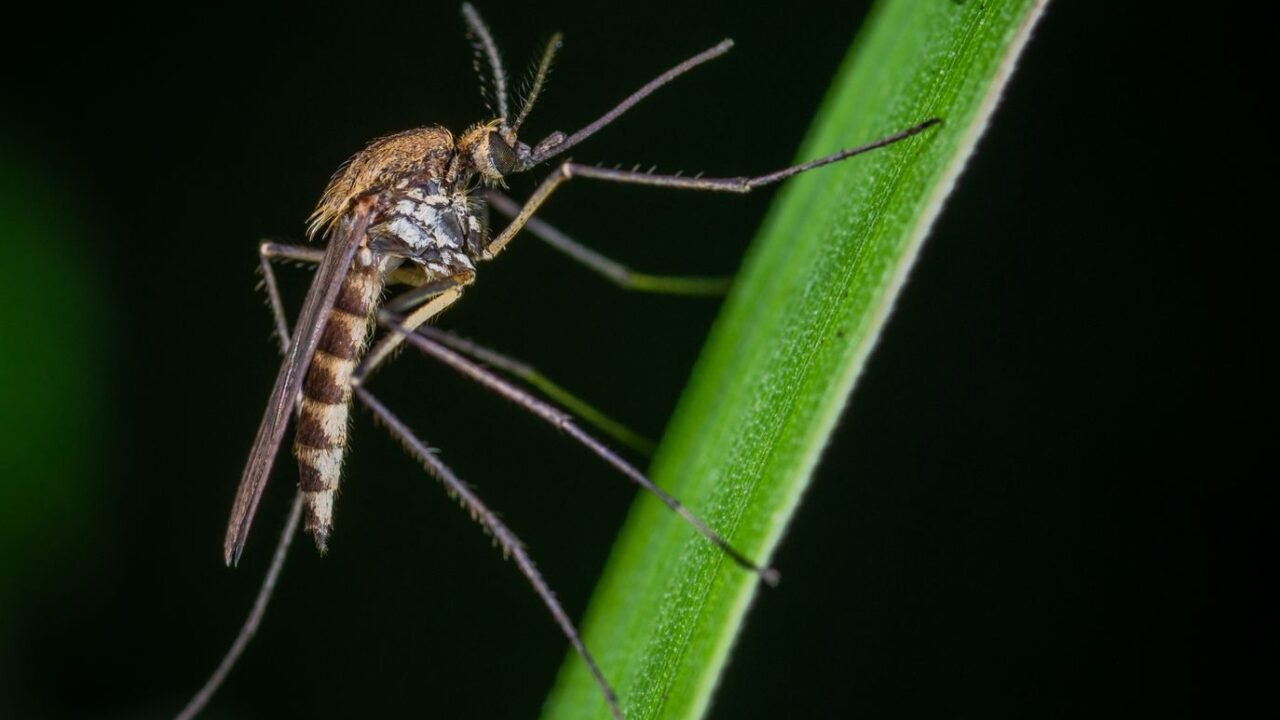
Inside a sprawling facility in Brazil, scientists are engaged in a unique battle against some of the world’s most persistent and deadly tropical diseases. This is not a laboratory focused on developing new drugs or vaccines, but rather a sophisticated operation dedicated to breeding mosquitoes. The goal is counterintuitive: to release millions of these insects into the wild, not as vectors of disease, but as a crucial tool in combating them. This innovative approach, detailed in a report by The New York Times, marks a significant shift in public health strategies as the world grapples with the escalating threat of vector-borne illnesses in a warming climate.
The reporter, Apoorva Mandavilli, gained exclusive access to one such mosquito factory, a place where the very creatures responsible for transmitting diseases like dengue, Zika, and chikungunya are meticulously cultivated. Information reaching Tahir Rihat suggests that these facilities are at the forefront of a global effort to control mosquito populations through biological means. The process involves raising male mosquitoes that have been infected with a naturally occurring bacterium called Wolbachia. When these modified males mate with wild female mosquitoes, their offspring do not survive to adulthood. This effectively reduces the population of disease-carrying mosquitoes in targeted areas.
The science behind this method is rooted in a deep understanding of mosquito biology and the impact of Wolbachia. This bacterium, which is harmless to humans and other animals, is present in about 60% of insect species worldwide. However, it is not naturally found in the Aedes aegypti mosquito, the primary vector for many tropical diseases. By introducing Wolbachia into these mosquito populations, scientists are essentially disrupting their reproductive cycle. The Aedes aegypti mosquito is particularly problematic due to its preference for biting humans, often during daylight hours, and its ability to breed in small collections of water found in urban environments. As global temperatures rise, the geographic range and breeding seasons of these mosquitoes are expanding, intensifying the public health challenge.
The mosquito factories operate on a massive scale, producing millions of eggs and larvae daily. These are then nurtured through various stages of development under controlled conditions, ensuring optimal growth and health before being released. The released male mosquitoes, carrying the Wolbachia bacteria, then seek out wild females. The subsequent reduction in the mosquito population directly translates to a decrease in the transmission of the viruses they carry. This method offers a sustainable and environmentally friendly alternative to traditional methods like widespread pesticide use, which can have detrimental effects on ecosystems and human health.
The implications of this work are far-reaching, particularly for regions that bear the brunt of tropical diseases. Brazil, a country that has historically faced significant challenges with mosquito-borne illnesses, has become a leader in this innovative control strategy. The success of these programs is crucial for protecting vulnerable communities and alleviating the burden on healthcare systems. As the world continues to experience the effects of climate change, the need for such novel public health interventions becomes increasingly urgent. The work being done in these Brazilian mosquito factories represents a beacon of hope, demonstrating how scientific ingenuity can be harnessed to address some of the most pressing health threats of our time.
The development and deployment of these disease-fighting mosquitoes are not without their complexities. Rigorous scientific research and extensive field trials have been conducted to ensure the efficacy and safety of the Wolbachia method. Public engagement and community involvement are also vital components of these programs, ensuring that local populations understand and support the initiatives. The long-term goal is to make these interventions widely accessible and integrated into national disease control strategies, providing a more effective and sustainable way to protect public health from the devastating impact of tropical diseases.
The ongoing research and expansion of these mosquito breeding programs underscore a growing global recognition of the interconnectedness between environmental changes and human health. The ability to manipulate insect populations in a targeted manner offers a powerful new tool in the fight against diseases that have plagued humanity for centuries. As the world navigates the challenges of a changing climate, innovations like those pioneered in Brazil’s mosquito factories will be essential in safeguarding the health and well-being of populations worldwide.

Tahir Rihat (also known as Tahir Bilal) is an independent journalist, activist, and digital media professional from the Chenab Valley of Jammu and Kashmir, India. He is best known for his work as the Online Editor at The Chenab Times.






Leave a Reply