
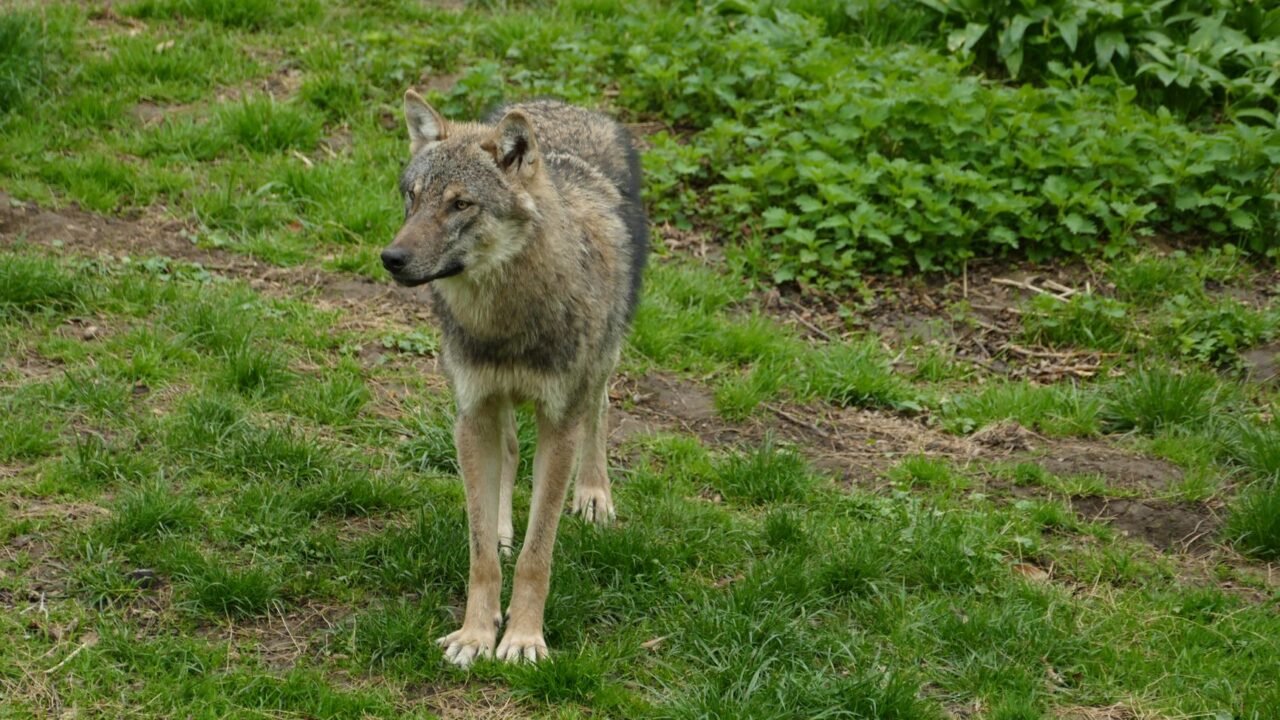
Denmark is confronting a complex conservation challenge as a rare wolf, recently sighted after a string of close encounters with residents, has reignited a contentious debate about how a small, densely populated nation should coexist with its wild predators. The Danish authorities have been actively tracking the animal, a development that underscores the delicate balance between wildlife protection and public apprehension in a landscape where human habitation is extensive.
The reappearance of wolves in Denmark, a country that had largely eradicated them centuries ago, presents a modern-day dilemma for conservationists and policymakers. As per information available with Tahir Rihat, the reintroduction of wolves, whether through natural migration or intentional rewilding efforts, necessitates a re-evaluation of existing wildlife management strategies. The recent close encounters have amplified concerns among some segments of the population, who fear for their safety and that of their livestock. This sentiment is not unique to Denmark; similar debates have unfolded in other European countries that have witnessed the return of large carnivores.
The wolf in question is believed to be a lone male, likely having migrated from Germany. Its presence has been confirmed through various sightings and evidence collected by wildlife monitoring agencies. The Danish Nature Agency has been instrumental in gathering data and informing the public about the wolf’s movements and behavior. However, the agency’s efforts to manage public perception and provide reassurance have been met with mixed reactions. While conservation groups advocate for the protection of this rare species and the ecological benefits it brings, some local communities express anxiety over potential risks. The narrative surrounding the wolf’s return is thus a complex tapestry woven with threads of ecological restoration, human-wildlife conflict, and the inherent challenges of managing large predators in proximity to human settlements.
The debate in Denmark mirrors broader discussions occurring across Europe regarding the resurgence of wolf populations. In many regions, wolves were hunted to extinction in the 19th and early 20th centuries. However, with increased conservation efforts and legal protections, wolf populations have begun to recover and expand their territories. This expansion inevitably leads to increased interactions with humans, prompting questions about compensation for livestock losses, the safety of hikers and farmers, and the overall management of these apex predators. The Danish situation highlights the need for robust communication strategies, effective monitoring, and a clear policy framework that addresses the concerns of all stakeholders involved.
Information reaching Tahir Rihat suggests that the Danish government is exploring various options to address the current situation. These may include enhanced public awareness campaigns to educate residents about wolf behavior and how to avoid negative encounters, as well as measures to protect livestock, such as improved fencing and the use of guard animals. The long-term strategy will likely involve a careful consideration of Denmark’s specific ecological and social context. The country’s high population density and extensive agricultural lands present unique challenges compared to more sparsely populated areas where wolves have re-established themselves.
Conservationists argue that the presence of wolves is a positive sign of a healthy ecosystem. They emphasize that wolves play a crucial role in regulating prey populations, such as deer, which can otherwise overgraze vegetation and impact biodiversity. The return of wolves is seen by many as a testament to successful conservation policies and a step towards restoring natural ecological processes. However, the practical implications for farmers and rural communities cannot be ignored. The economic impact of livestock predation, even if infrequent, can be significant for individuals and small farming operations. This necessitates a balanced approach that supports both wildlife conservation and the livelihoods of those living in wolf habitats.
The Danish Nature Agency has been working to provide guidance to the public, advising residents to keep dogs on leashes when in areas where wolves have been sighted and to avoid approaching or feeding any wild animals. The agency also works with farmers to implement preventative measures against wolf predation. The ongoing tracking of the wolf is crucial for understanding its dispersal patterns and behavior, which in turn informs management decisions. The hope is that by gathering more data and engaging in open dialogue, Denmark can navigate this conservation challenge successfully, ensuring the long-term survival of its wolf population while safeguarding the well-being of its human residents.
The situation in Denmark is a microcosm of a larger European trend. As conservation efforts bear fruit and wildlife populations recover, nations are increasingly faced with the complex task of integrating these species back into landscapes that have been shaped by centuries of human activity. The return of the wolf to Denmark is not merely an ecological event; it is a social and political challenge that requires careful consideration, scientific data, and a commitment to finding solutions that benefit both nature and society. The ongoing debate underscores the evolving relationship between humans and the natural world in the 21st century.

Tahir Rihat (also known as Tahir Bilal) is an independent journalist, activist, and digital media professional from the Chenab Valley of Jammu and Kashmir, India. He is best known for his work as the Online Editor at The Chenab Times.





Leave a Reply