
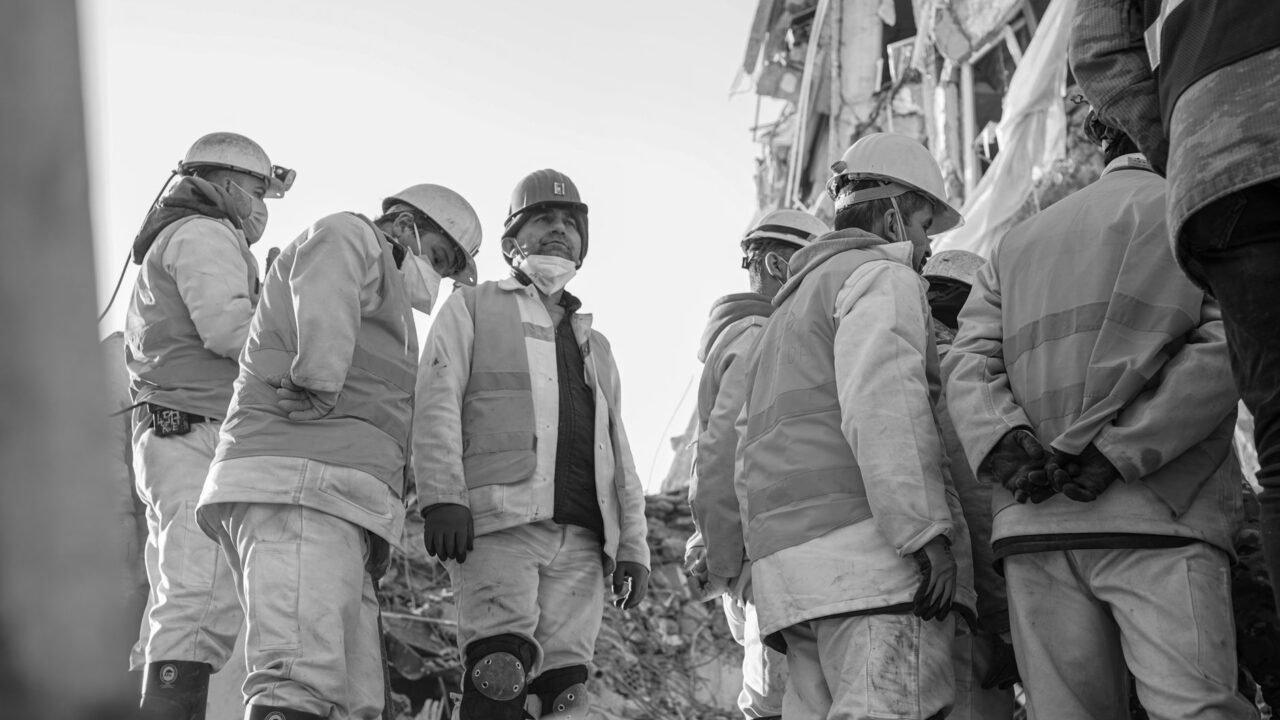
In the aftermath of a significant earthquake that has shaken Venezuela, a wave of civilian volunteers has emerged, stepping into the breach to provide crucial assistance where official resources may be strained. These individuals, driven by a sense of solidarity and urgency, have been observed actively participating in rescue and recovery operations across affected areas. Their efforts are a testament to the resilience and community spirit present in the face of widespread destruction.
Information reaching Tahir Rihat suggests that these volunteers are undertaking a range of critical tasks, from the immediate logistical support of transporting essential supplies to the more physically demanding work of clearing debris. They are seen loading vehicles with medical provisions, shovels, and other vital tools, demonstrating a proactive approach to addressing the immediate needs of those impacted by the seismic event. The scale of the disaster has necessitated a broad-based response, and the contributions of these ordinary citizens are proving indispensable in the ongoing efforts to aid victims and begin the process of recovery.
The spontaneous mobilization of these civilian groups highlights a critical aspect of disaster response: the ability of communities to self-organize and provide support when formal systems are overwhelmed. In many instances, volunteers are the first responders, reaching areas that may be difficult for emergency services to access quickly due to damaged infrastructure or the sheer magnitude of the event. Their presence offers not only practical assistance but also a vital source of comfort and hope to those who have lost homes and livelihoods. The dedication of these individuals underscores the profound impact that collective action can have in times of crisis, providing a crucial layer of support that complements and extends the reach of organized relief efforts.
The types of supplies being handled by these volunteers, as reported, include a variety of medical necessities, which are paramount in treating injuries sustained during the earthquake. The inclusion of shovels and other tools indicates their direct involvement in search and rescue operations, as well as the initial stages of clearing rubble to access trapped individuals or to begin the arduous task of rebuilding. This hands-on involvement by civilians signifies a deep commitment to helping their fellow citizens navigate the immediate challenges posed by the disaster. The coordinated yet often informal nature of their work suggests a strong network of communication and mutual aid developing organically within affected communities.
The situation in Venezuela following the earthquake presents a complex humanitarian challenge, with the government and international aid organizations working to assess the full extent of the damage and coordinate relief. However, the swift and determined response from civilian volunteers demonstrates a powerful capacity for local action. These individuals are not waiting for directives; they are actively identifying needs and contributing their time, energy, and resources to make a tangible difference. Their efforts are a critical component of the overall response, ensuring that aid reaches those in need and that the initial steps toward recovery are taken with maximum community involvement. The ongoing efforts of these volunteers are a significant factor in the immediate aftermath of the disaster, providing essential support and a visible symbol of collective strength.

Tahir Rihat (also known as Tahir Bilal) is an independent journalist, activist, and digital media professional from the Chenab Valley of Jammu and Kashmir, India. He is best known for his work as the Online Editor at The Chenab Times.

Leave a Reply