
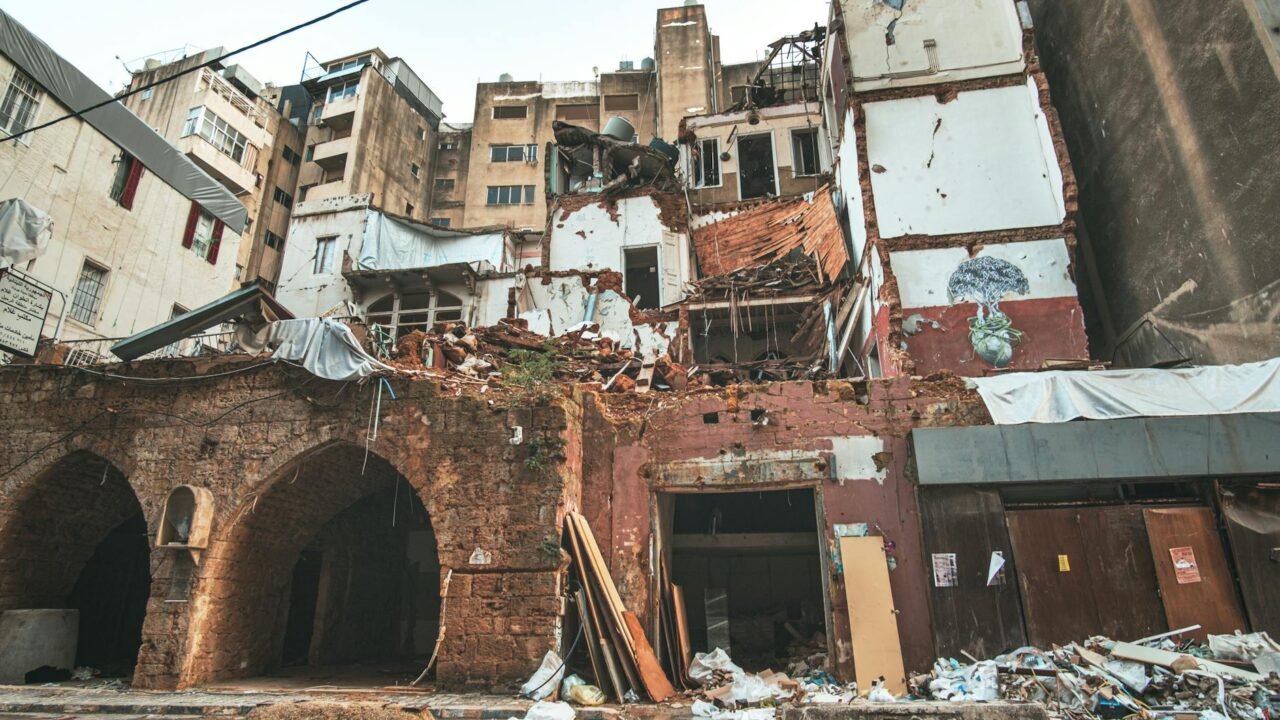
Prospects for a cessation of hostilities between Israel and Hezbollah in Lebanon have significantly dimmed, following the militant group’s outright rejection of the terms proposed in a U.S.-brokered agreement. The proposed deal, which stipulated that Hezbollah must initiate a halt to its cross-border attacks, has been characterized by the group as tantamount to a surrender, effectively stalling diplomatic efforts aimed at de-escalating the escalating conflict.
Information reaching Tahir Rihat suggests that the United States has been actively engaged in shuttle diplomacy to prevent a wider conflagration in the Middle East, with the proposed cease-fire agreement forming a central pillar of these initiatives. However, the fundamental condition that Hezbollah cease firing first has proven to be an insurmountable obstacle. The powerful Iran-backed Shiite militia, a significant political and military force in Lebanon, has not been a direct party to the negotiations, a fact that appears to have contributed to its firm stance against the proposed terms.
Hezbollah’s leadership has publicly denounced the conditions, viewing them as an unacceptable ultimatum rather than a genuine pathway to peace. This rejection casts a long shadow over the ongoing efforts to quell the violence that has intensified in recent weeks, displacing thousands and raising fears of a full-scale war. The group’s refusal to be the first to lay down arms signals a deep-seated distrust of the proposed framework and potentially a strategic decision to continue its military operations against Israel.
The implications of this diplomatic impasse are profound. A failure to secure a cease-fire could lead to a further escalation of the conflict, with potentially devastating consequences for both Lebanon and Israel, as well as broader regional stability. The international community, which has been urging restraint from all parties, now faces the daunting task of finding alternative avenues to de-escalate the situation. The current trajectory suggests a continued exchange of fire, with the risk of miscalculation or unintended escalation remaining critically high.
The U.S.-led diplomatic efforts, while commendable, appear to have underestimated the resolve and political calculus of Hezbollah. The group’s rejection underscores its independent agency and its refusal to accept externally imposed conditions that it perceives as undermining its position. This dynamic presents a significant challenge for mediators seeking to broker a lasting peace. The intricate political landscape of Lebanon, where Hezbollah holds considerable sway, further complicates any external intervention or imposed settlement.
The ongoing conflict has already inflicted substantial damage on border communities in both countries, disrupting daily life and economic activity. The humanitarian toll is mounting, and the specter of a larger conflict looms large. The international community’s calls for a de-escalation are becoming more urgent as the potential for a wider regional war, involving other actors and further destabilizing the Middle East, becomes a more tangible concern. The current stalemate in cease-fire talks means that the cycle of violence is likely to continue, with all the attendant risks and consequences.
The United States, as a key mediator, will now need to reassess its strategy. The current approach, which hinges on Hezbollah’s willingness to make the first move towards de-escalation, has clearly faltered. Future diplomatic efforts may need to explore alternative frameworks that acknowledge the complexities of the regional security environment and the political realities on the ground in Lebanon. The involvement of other regional and international actors might also be crucial in finding a path forward. The absence of Hezbollah as a direct participant in the initial talks, as reported, highlights a critical flaw in the negotiation process, suggesting a need for more inclusive dialogue moving forward.
The rejection of the terms by Hezbollah is not merely a tactical disagreement but a fundamental challenge to the proposed peace architecture. It signals a determination to continue its resistance, framing the conflict within its own strategic objectives. This stance, while potentially prolonging the immediate hostilities, also reflects a broader geopolitical context in which Iran’s influence and its network of allied groups play a significant role. The future of the cease-fire hinges on whether new diplomatic pathways can be forged that are acceptable to all key stakeholders, or if the region is destined for further conflict.

Tahir Rihat (also known as Tahir Bilal) is an independent journalist, activist, and digital media professional from the Chenab Valley of Jammu and Kashmir, India. He is best known for his work as the Online Editor at The Chenab Times.


Leave a Reply