
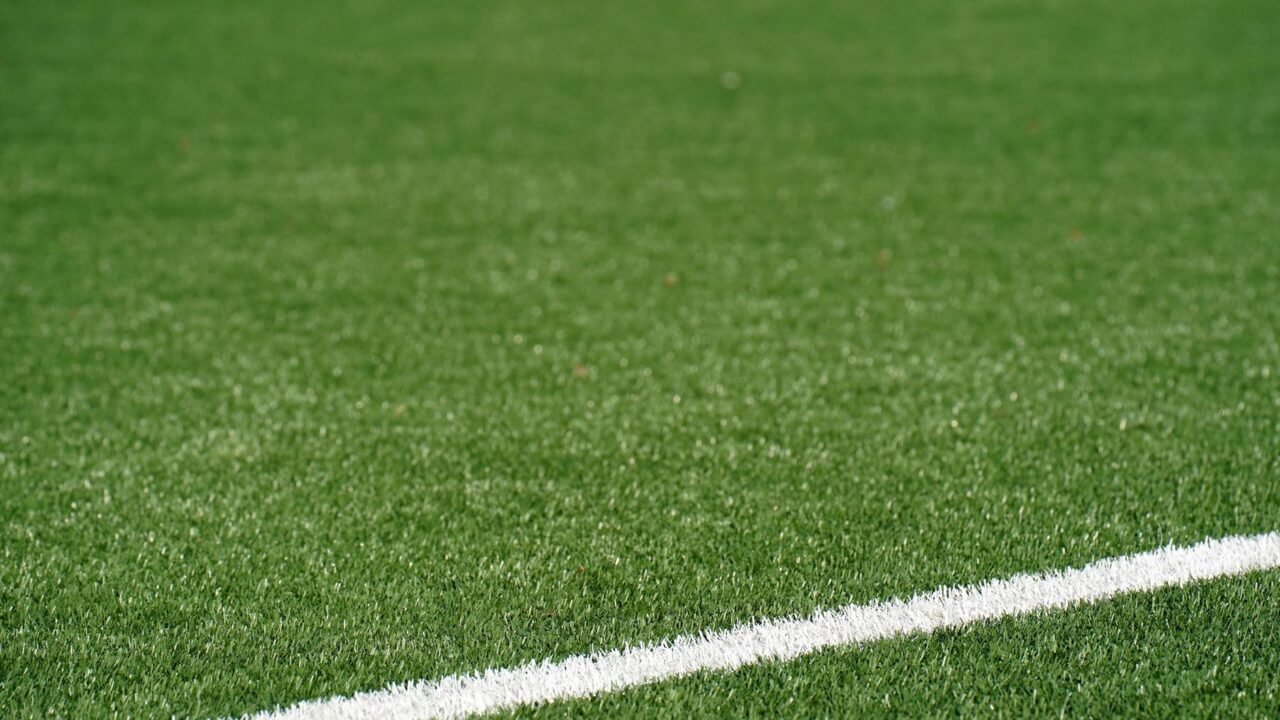
The quest for the perfect football pitch is a continuous, intricate scientific endeavor, particularly as the Fédération Internationale de Football Association (FIFA) mandates that all World Cup matches be played on natural grass. This requirement underscores the critical importance of a consistent, high-quality playing surface, irrespective of the host nation or stadium. The pursuit of this ideal has led to years of dedicated research and development in turf science, involving meticulous sod studies and advanced cultivation techniques. The goal is to ensure that players experience the most predictable and reliable ground conditions possible, allowing their skills to be showcased without the unpredictable interference of a substandard pitch. This focus on natural grass is not merely aesthetic; it is deeply rooted in the game’s traditions and the biomechanics of play, where the interaction between boot and turf significantly influences player performance, ball movement, and the overall spectacle of the sport.
Information reaching Tahir Rihat suggests that the complexity of achieving this uniformity across diverse climates and soil types presents a significant challenge. Agronomists and turf specialists work tirelessly to understand the genetic makeup of various grass species, their resilience to wear and tear, their susceptibility to diseases, and their optimal growing conditions. This involves extensive field trials, laboratory analysis of soil samples, and the development of sophisticated irrigation and drainage systems. The aim is to create a playing surface that is firm yet forgiving, providing good traction for quick turns and sprints while also allowing the ball to roll true. The consistency sought is not just about the visual appearance of the grass but its structural integrity and responsiveness under the intense pressure of professional football. Every blade of grass, every inch of soil, is a subject of scientific scrutiny to meet the exacting standards demanded by the global footballing community.
The journey to a flawless World Cup pitch begins long before the first whistle. It involves a deep understanding of agronomy, soil science, and environmental factors. Researchers delve into the genetic potential of different grass varieties, seeking those that can withstand the rigomeric demands of a high-stakes tournament. This includes their ability to recover quickly from divots, resist drought and excessive moisture, and maintain a dense, uniform sward throughout the competition. The selection of grass species is a critical decision, often involving a blend of perennial ryegrass and fine fescues, chosen for their durability and aesthetic qualities. These blends are designed to create a resilient turf that can tolerate heavy foot traffic and frequent mowing without compromising its playing characteristics. The science extends to the very soil beneath the grass, with careful attention paid to its composition, aeration, and nutrient content to promote healthy root development and overall turf strength.
Furthermore, the development of advanced technologies plays a pivotal role in this scientific quest. Sophisticated monitoring systems are employed to track soil moisture levels, temperature, and nutrient deficiencies in real-time. These systems allow groundskeepers to make precise adjustments to watering, fertilization, and aeration regimes, ensuring that the pitch receives exactly what it needs to thrive. The use of specialized machinery for mowing, scarifying, and top-dressing also contributes to maintaining the desired playing surface. These tools are designed to promote healthy grass growth, remove thatch, and ensure a smooth, even finish. The integration of these technological advancements with traditional horticultural practices represents a significant leap forward in pitch management, enabling groundskeepers to achieve a level of precision and control previously unimaginable.
The challenges are amplified by the global nature of the World Cup. Pitches must perform optimally in a variety of climates, from the humid tropics to arid deserts, each presenting unique agronomic hurdles. This necessitates adaptive strategies, where the chosen grass species and management techniques are tailored to the specific environmental conditions of the host country. For instance, in regions with high temperatures and low rainfall, drought-tolerant grass varieties and efficient water management systems are paramount. Conversely, in areas prone to heavy rainfall, robust drainage solutions are essential to prevent waterlogging and maintain a firm playing surface. The scientific community continuously explores innovative solutions, including the use of hybrid pitches that combine natural grass with synthetic fibers to enhance durability and stability, offering an additional layer of resilience against extreme conditions and intensive play.
The meticulous planning and scientific oversight extend to the period leading up to and during the tournament itself. Even after the pitch has been established, its condition is constantly monitored and maintained. This includes carefully scheduled mowing to achieve the precise desired height, aeration to prevent soil compaction, and the application of fertilizers and treatments to ensure optimal health and color. The goal is to create a playing environment that is not only safe and consistent but also visually appealing, contributing to the overall prestige of the World Cup. The dedication to achieving this perfect natural grass surface is a testament to the evolving sophistication of sports science and groundskeeping, where the subtle nuances of turf management are elevated to a high art form, driven by a deep understanding of the biological and physical sciences.
The commitment to natural grass for the World Cup is a deliberate choice that honors the sport’s heritage while embracing scientific innovation. It acknowledges that while artificial surfaces offer certain advantages in terms of durability and maintenance, they cannot fully replicate the unique playing characteristics and aesthetic appeal of a well-prepared natural turf. The subtle variations in bounce, the way the ball skids, and the tactile experience for players are all integral to the game of football. Therefore, the ongoing research and development in turf science are crucial for ensuring that the World Cup continues to be played on surfaces that are both a testament to the athletes’ skill and a celebration of the game’s enduring connection to the earth.

Tahir Rihat (also known as Tahir Bilal) is an independent journalist, activist, and digital media professional from the Chenab Valley of Jammu and Kashmir, India. He is best known for his work as the Online Editor at The Chenab Times.




Leave a Reply