
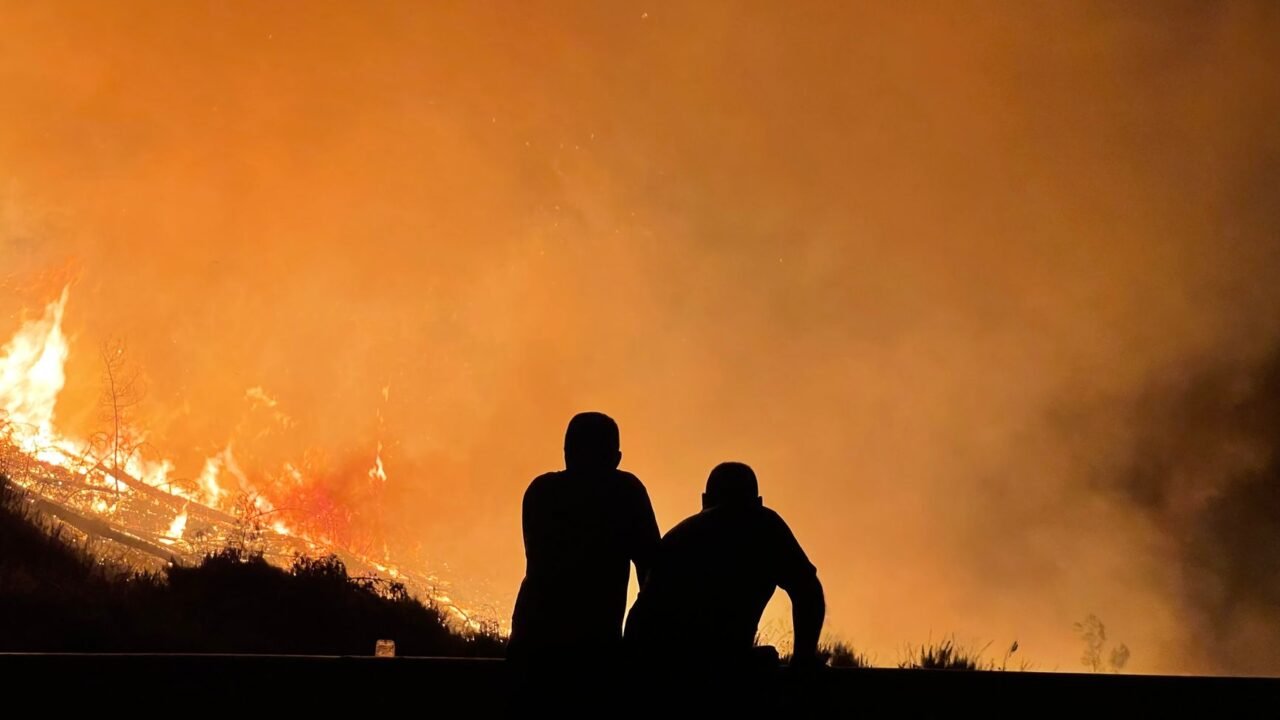
Wildfire activity has surged in British Columbia, prompting the evacuation of thousands of residents from the Okanagan Valley. This escalation comes just weeks after smoke from separate blazes in Ontario blanketed the eastern regions of Canada and parts of the United States.
The situation in British Columbia is particularly concerning, with the Okanagan Valley, a densely populated and agriculturally significant region, facing immediate threats from the rapidly spreading fires. Emergency services are working to coordinate evacuations, ensuring the safety of residents while battling the infernos. The scale of the evacuations underscores the severity of the wildfire season gripping parts of Canada.
Information reaching Tahir Rihat suggests that the fires in British Columbia are being fueled by a combination of dry conditions, high temperatures, and strong winds, creating a volatile environment for fire containment. Firefighting crews are deployed across multiple fronts, facing challenging terrain and the unpredictable nature of the blazes.
The recent events in Ontario, which saw significant smoke plumes travel considerable distances, serve as a stark reminder of the widespread impact of Canada’s wildfires. The smoke from those fires led to degraded air quality across vast areas, affecting public health and daily life for millions. The current situation in British Columbia adds another layer of concern to an already challenging wildfire season.
Authorities in British Columbia are urging residents in affected areas to remain vigilant and follow all evacuation orders issued by local officials. The provincial government has mobilized resources to support firefighting efforts and provide assistance to those displaced by the fires. The economic impact on the Okanagan Valley, known for its vineyards and tourism, is also a growing concern as the fires continue to rage.
The ongoing wildfire crisis highlights the increasing frequency and intensity of such events, a trend often linked to climate change. Experts have warned that warmer temperatures and drier conditions are creating longer and more severe wildfire seasons across many parts of the world, including Canada. The long-term implications for ecosystems, communities, and economies are significant and require sustained attention and mitigation strategies.
The response to these fires involves a multi-faceted approach, including ground crews, aerial support with water bombers, and the coordination of resources from various agencies. The sheer scale of the fires necessitates a robust and coordinated effort to protect lives and property. The resilience of communities in the face of these natural disasters is being tested, with many residents facing the prospect of returning to damaged or destroyed homes.
The international dimension of Canada’s wildfire situation was evident when smoke from earlier fires impacted air quality in the United States. This interconnectedness underscores the global nature of environmental challenges and the need for international cooperation in addressing issues like climate change and disaster preparedness. The current focus remains on the immediate crisis in British Columbia, with efforts to suppress the fires and support affected populations taking precedence.
The long-term recovery for communities impacted by these wildfires will be a significant undertaking. Beyond the immediate firefighting efforts, there will be a need for substantial resources dedicated to rebuilding infrastructure, restoring natural landscapes, and supporting the mental and emotional well-being of those affected. The economic repercussions for the affected regions, particularly in terms of tourism and agriculture, will also require careful management and recovery plans.
The ongoing situation in British Columbia serves as a critical reminder of the ongoing environmental challenges faced by Canada and the world. As the fires continue to burn, the focus remains on the safety of residents, the efforts of the brave firefighters, and the long road to recovery for the affected communities. The scale of the current evacuations and the proximity of the fires to populated areas indicate that this is a developing story with significant immediate and long-term implications.

Tahir Rihat (also known as Tahir Bilal) is an independent journalist, activist, and digital media professional from the Chenab Valley of Jammu and Kashmir, India. He is best known for his work as the Online Editor at The Chenab Times.




Leave a Reply