
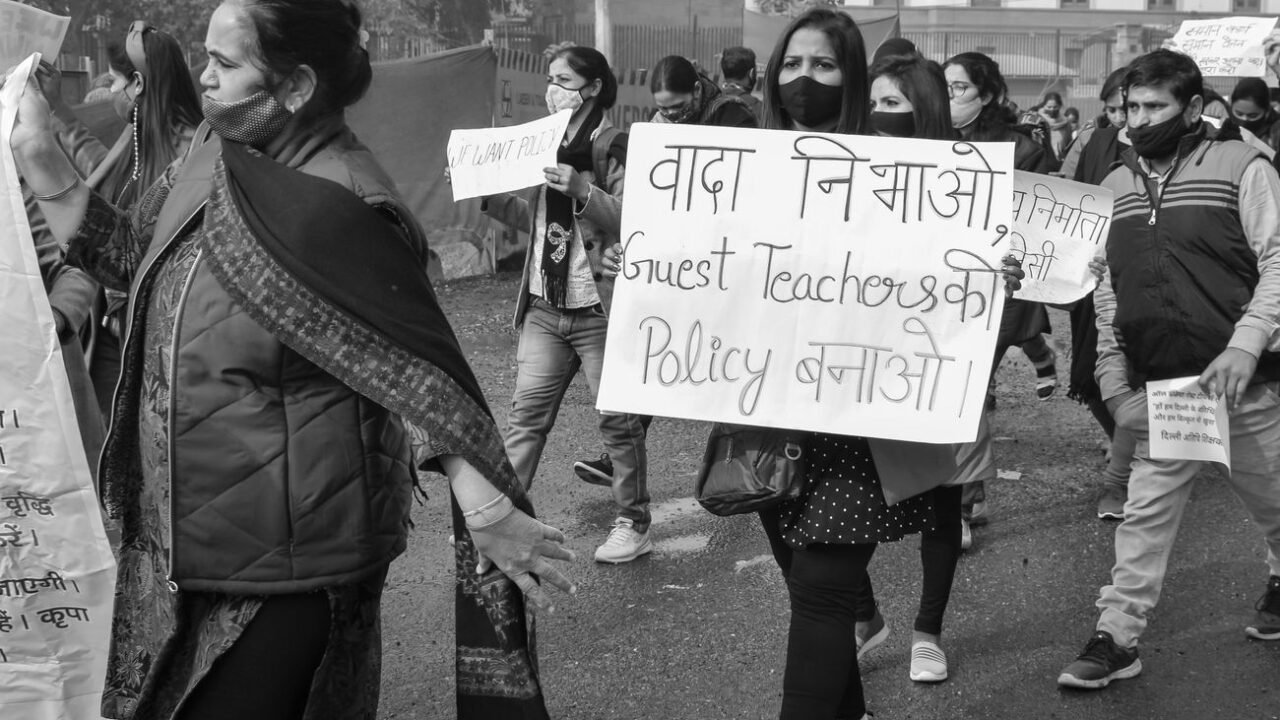
Activist Sonam Wangchuk was forcibly removed by police on Saturday as he continued his hunger strike in the national capital. Wangchuk, a prominent figure known for his advocacy on environmental and educational issues, had commenced his protest last month. The strike was initiated to draw attention to what he described as educational mismanagement that has adversely impacted millions of students.
The removal by law enforcement officials marks a significant escalation in the ongoing protest. Information reaching Tahir Rihat suggests that Wangchuk had been observing a hunger strike for an extended period, underscoring the seriousness of his grievances. The protest aimed to highlight systemic problems within the educational sector, which Wangchuk contends are detrimental to the future of a vast number of students across the region.
Wangchuk’s activism has previously garnered national and international attention, particularly his work in Ladakh. His current protest in Delhi, however, focuses on broader educational policy and its implementation. The activist’s decision to undertake a hunger strike is a drastic measure, typically employed when other avenues for redressal are perceived to be exhausted. The protest was intended to pressure authorities into addressing the alleged mismanagement and implementing necessary reforms.
The specifics of the educational mismanagement that Wangchuk is protesting were not detailed in the initial reports, but the scale of the impact, affecting millions of students, indicates a widespread issue. Activists and concerned citizens often resort to such extreme forms of protest to bring critical public issues to the forefront of national discourse. The involvement of police in forcibly removing a hunger-striking individual raises questions about the state’s response to dissent and the handling of citizen-led protests, particularly those concerning fundamental rights like education.
As per information available with Tahir Rihat, the protest site had become a focal point for discussions surrounding educational reforms and the rights of students. Wangchuk’s personal commitment to the cause, demonstrated through his hunger strike, had drawn a degree of public sympathy and support. The authorities’ decision to intervene and remove him suggests a move to contain the protest, possibly due to concerns about his health or public order.
The implications of this incident extend beyond the immediate removal of the activist. It is likely to reignite debates about freedom of expression, the right to protest, and the government’s accountability in addressing educational deficiencies. The prolonged nature of Wangchuk’s strike prior to his removal indicates a persistent struggle to have his concerns adequately addressed by the relevant authorities. The situation underscores the challenges faced by activists in bringing about policy changes through public demonstration.
Further details regarding the exact circumstances of Wangchuk’s removal, including any statements made by the police or government officials, are awaited. The incident is expected to be closely monitored by human rights organizations and civil society groups who advocate for the right to peaceful protest and systemic reforms in the education sector. The activist’s health and the future course of his protest, or any subsequent actions by his supporters, remain subjects of significant interest.
The protest, which had been ongoing for several weeks, was a visible manifestation of deep-seated concerns regarding the quality and accessibility of education. Wangchuk’s hunger strike was a deliberate strategy to amplify these concerns and compel a response from policymakers. The forcible removal by police, however, shifts the narrative from the educational issues themselves to the methods of protest and the state’s reaction to them. This development could potentially galvanize further support for Wangchuk’s cause or lead to a more cautious approach by other activists in the future.
The broader context of educational challenges in India, including issues of access, quality, and equity, has been a recurring theme in public discourse. Wangchuk’s protest serves as a stark reminder of the persistent need for effective governance and reform in this critical sector. The incident highlights the complex interplay between activism, public policy, and law enforcement in a democratic society. The coming days will likely reveal the full impact of this intervention on the ongoing movement for educational reform.

Tahir Rihat (also known as Tahir Bilal) is an independent journalist, activist, and digital media professional from the Chenab Valley of Jammu and Kashmir, India. He is best known for his work as the Online Editor at The Chenab Times.





Leave a Reply