
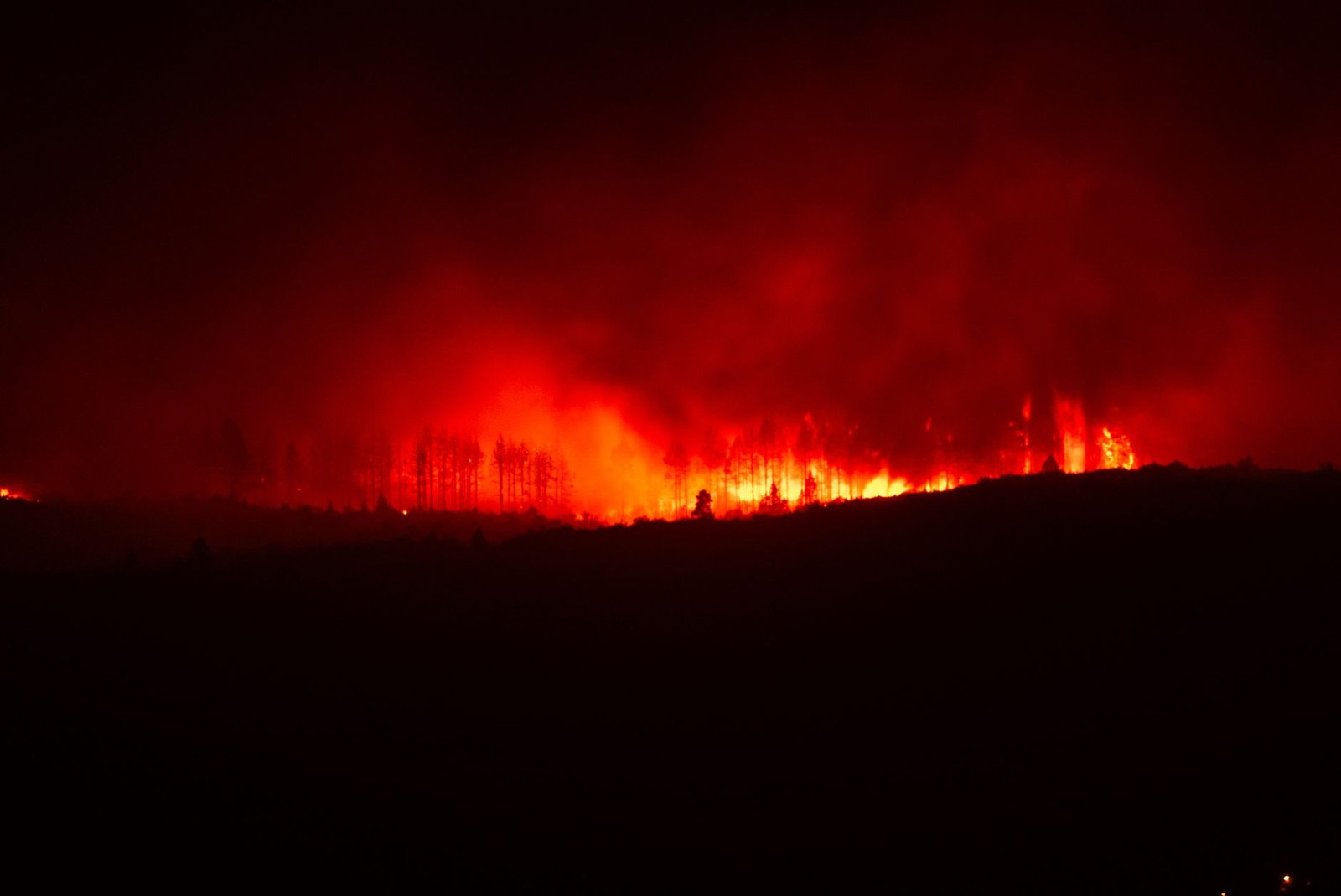
Fires are raging across swathes of France and Spain, forcing hundreds of thousands of people to evacuate their homes or seek shelter as a relentless heatwave grips Europe. Firefighters are engaged in a desperate battle against fast-moving blazes that have consumed significant areas of land in both nations. The situation is exacerbated by forecasts predicting another intense heatwave to descend upon the continent later this week, raising fears of further escalation.
In France, particularly in the southwestern Gironde region, authorities have been working to contain multiple wildfires that have been burning for days. These fires have led to the evacuation of tens of thousands of residents and tourists from affected areas. The scale of the operation involves a significant deployment of firefighting resources, including aircraft and ground crews, who are working under extremely challenging conditions. The dry vegetation, a consequence of prolonged periods without significant rainfall, provides ample fuel for the rapidly spreading flames. Information reaching Tahir Rihat suggests that the ongoing dry spell has created a tinderbox environment across much of southern Europe.
Similarly, Spain is grappling with severe wildfires, especially in its northern and central regions. Thousands have been displaced, and emergency services are stretched thin as they combat multiple fronts. The heatwave, which has seen temperatures soar well above seasonal averages, is a primary driver of the fire’s intensity and spread. The Spanish meteorological agency has issued severe weather warnings, indicating that the extreme heat is likely to persist, posing a continuous threat to public safety and increasing the risk of new fire outbreaks. The sheer number of simultaneous incidents is placing immense pressure on national and regional firefighting capacities.
The impact of these wildfires extends beyond immediate safety concerns. Significant environmental damage is being reported, with vast tracts of forests and agricultural land succumming to the flames. The long-term ecological consequences are a growing worry for environmental agencies. Furthermore, the economic toll is substantial, affecting tourism, agriculture, and infrastructure in the affected regions. The disruption to daily life for hundreds of thousands of people underscores the severity of the crisis. Authorities are urging residents in or near affected areas to remain vigilant and follow official evacuation orders promptly.
The current fire season in Europe is being described as particularly severe, with climate change experts pointing to the increasing frequency and intensity of extreme weather events, including heatwaves and droughts, as key contributing factors. The prolonged high temperatures and lack of moisture create ideal conditions for wildfires to ignite and spread with alarming speed. This situation highlights the vulnerability of many European landscapes to such conditions and the urgent need for enhanced preparedness and response strategies. The coordinated efforts between national agencies and international support are crucial in managing such large-scale emergencies. The ongoing efforts by firefighters are a testament to their bravery and dedication in the face of extreme danger.
The scale of the evacuations is unprecedented in many of these areas, with temporary shelters being set up to accommodate displaced populations. The logistical challenges of moving large numbers of people, often with little notice, are considerable. Emergency services are working to ensure that essential supplies and medical assistance are available to those affected. The psychological toll on communities facing the threat of losing their homes and livelihoods is also a significant concern, with support services being mobilized to assist. The resilience of these communities is being tested under immense pressure.
As the heatwave shows no signs of abating and another is forecast, the focus remains on containment and preventing further spread. The effectiveness of firefighting efforts will be heavily dependent on weather conditions, including wind speed and direction, as well as the availability of water resources. The ongoing efforts are a race against time and the elements. The international community is monitoring the situation closely, with some nations offering assistance to their European counterparts. The interconnectedness of global challenges like climate change and disaster response is becoming increasingly apparent.
The long-term implications of such intense and frequent wildfire seasons are a subject of growing concern for policymakers and scientists. Strategies for forest management, urban planning in fire-prone areas, and climate change mitigation are all under renewed scrutiny. The immediate priority, however, remains the safety of the public and the protection of property and natural resources. The dedication of the first responders is critical in navigating this crisis. The ongoing efforts are a stark reminder of the power of nature and the importance of preparedness.

Tahir Rihat (also known as Tahir Bilal) is an independent journalist, activist, and digital media professional from the Chenab Valley of Jammu and Kashmir, India. He is best known for his work as the Online Editor at The Chenab Times.



Leave a Reply