
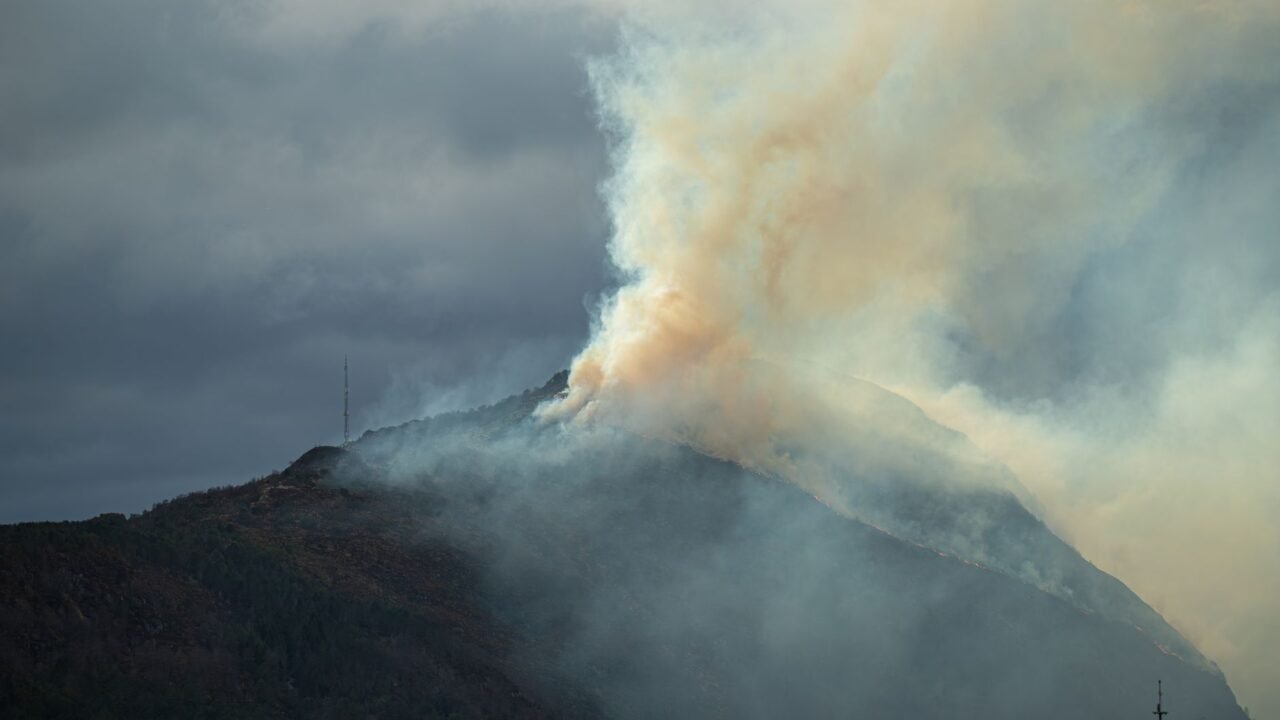
A dedicated team of engineers, foresters, and scientists is spearheading Europe’s defense against the growing menace of wildfires, operating from a state-of-the-art science park in Italy. This multidisciplinary unit is leveraging a sophisticated array of tools, including satellite imagery, advanced weather modeling, and in-depth expert analysis, to bolster the continent’s preparedness for increasingly severe fire seasons. The initiative represents a significant step forward in the scientific and technological approach to combating climate-change-induced environmental crises.
Information reaching Tahir Rihat suggests that the core of this operation lies in its proactive stance, moving beyond reactive firefighting to comprehensive risk assessment and strategic planning. The scientists are meticulously analyzing vast datasets to identify high-risk areas, predict fire behavior with greater accuracy, and develop targeted intervention strategies. This data-driven approach aims to optimize resource allocation and enhance the effectiveness of preventative measures and rapid response protocols across European nations.
The technology employed by the team is at the forefront of environmental monitoring and prediction. High-resolution satellite data provides real-time insights into vegetation health, soil moisture levels, and the spread of existing fires. This information is then integrated with complex meteorological models that forecast weather patterns, such as wind speed, temperature, and humidity, all critical factors influencing wildfire ignition and propagation. The synergy between these data streams allows for the generation of detailed risk maps and early warning systems.
Foresters on the team contribute crucial on-the-ground knowledge, translating scientific data into practical land management strategies. Their expertise is vital in understanding the nuances of different European ecosystems and tailoring fire prevention techniques accordingly. This includes advising on forest thinning, controlled burns in specific conditions, and the creation of firebreaks to limit the uncontrolled spread of blazes. The integration of ecological understanding with technological forecasting is a cornerstone of their methodology.
The science park itself serves as a central hub for research, collaboration, and the dissemination of findings. It fosters an environment where experts from diverse fields can converge, share knowledge, and collectively refine their strategies. This collaborative model is essential for addressing a challenge as complex and widespread as climate change’s impact on wildfire activity. The insights generated here are intended to inform policy decisions and operational procedures at both national and supranational levels within Europe.
The urgency of this work is underscored by the escalating frequency and intensity of wildfires observed across Europe in recent years. These events have not only devastated natural landscapes and ecosystems but have also posed significant threats to human life, infrastructure, and economies. The scientific community’s concerted effort to develop more robust predictive and preventative measures is a direct response to this mounting crisis. The team’s work is expected to yield more resilient landscapes and communities better equipped to withstand the impacts of a warming planet.
The scientists are also exploring innovative technological solutions for fire detection and monitoring. This includes the potential use of artificial intelligence and machine learning algorithms to analyze satellite imagery and sensor data for the earliest signs of ignition, often before they are visible to the human eye or traditional monitoring systems. Such advancements could drastically reduce the time between a fire’s start and the deployment of suppression resources, a critical factor in controlling its ultimate size and impact.
Furthermore, the project emphasizes the importance of public awareness and education. While the scientific and technological aspects are paramount, empowering communities with knowledge about fire risks and safety measures is seen as an integral part of a comprehensive wildfire management strategy. The team aims to translate their complex scientific findings into accessible information for the public and policymakers alike, fostering a shared responsibility in mitigating wildfire threats.
The long-term vision of this European initiative extends beyond immediate fire suppression. It is focused on building adaptive capacity within natural systems and human societies. By understanding the intricate relationship between climate, landscape, and fire, the scientists aim to contribute to a more sustainable future where the risks associated with wildfires are significantly diminished. Their work represents a critical investment in safeguarding Europe’s natural heritage and the well-being of its citizens in the face of an evolving climate.

Tahir Rihat (also known as Tahir Bilal) is an independent journalist, activist, and digital media professional from the Chenab Valley of Jammu and Kashmir, India. He is best known for his work as the Online Editor at The Chenab Times.




Leave a Reply