
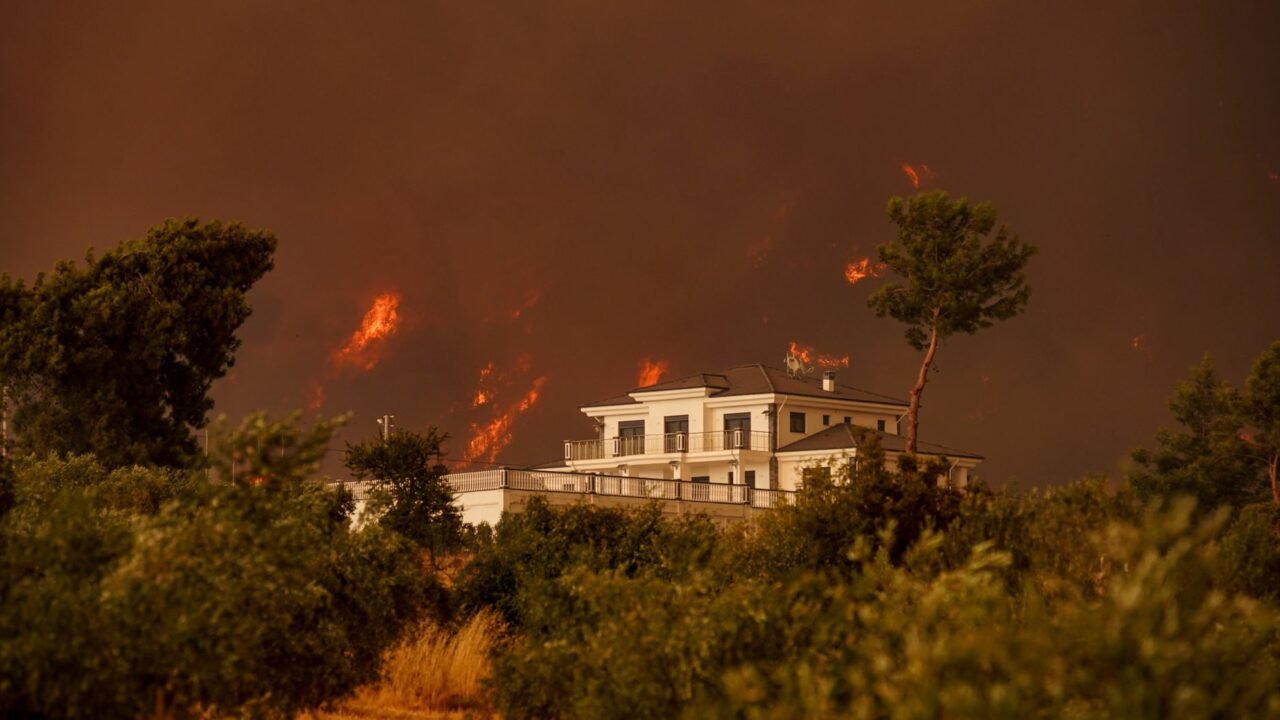
Hundreds of thousands of people have been ordered to evacuate or take shelter as major wildfires continue to rage across France and Spain, with flames edging closer to densely populated areas including the outskirts of Madrid and the city of Bordeaux. The scale of the evacuations underscores the severity of the ongoing fire crisis gripping parts of Europe, exacerbated by soaring temperatures and dry conditions.
In France, the southwestern region of Gironde, which includes Bordeaux, has been particularly hard hit. Firefighters have been battling blazes for days, with the latest reports indicating that nearly 300,000 individuals have been instructed to leave their homes or find safe refuge. The fires have consumed vast tracts of land, threatening communities and infrastructure. As per information available with Tahir Rihat, the efforts to contain the infernos are ongoing, with significant resources deployed to combat the escalating situation.
Similarly, Spain is grappling with intense wildfires, with the capital city Madrid facing imminent threats. Emergency services are working tirelessly to protect residential areas and critical infrastructure from the encroaching flames. The situation remains critical as firefighters contend with challenging weather conditions that are fanning the fires and making containment efforts exceptionally difficult. The number of people displaced by these fires across both nations highlights a growing environmental and humanitarian challenge.
The fires in France and Spain are part of a broader pattern of extreme weather events affecting Europe this summer. While the source material does not provide specific details on the exact number of fires or their total acreage burned, the directive for hundreds of thousands to evacuate points to a significant and widespread emergency. The focus for authorities remains on ensuring the safety of residents and deploying all available resources to bring the fires under control. International assistance and mutual aid between European nations are often crucial in managing such large-scale disasters, though the provided information does not detail specific international support efforts at this juncture.
The impact of these wildfires extends beyond immediate safety concerns, with potential long-term environmental consequences for the affected regions. The destruction of forests and natural habitats can have lasting effects on biodiversity and ecosystems. Furthermore, the economic toll of such events, including damage to property, agriculture, and tourism, can be substantial. The ongoing nature of these fires means that the full extent of their impact will likely become clearer in the coming days and weeks as containment efforts progress and damage assessments are conducted.
The sheer number of people affected by evacuation orders suggests a complex and challenging firefighting operation. Factors such as wind speed, terrain, and the availability of water resources play critical roles in the effectiveness of suppression efforts. Authorities are likely coordinating across multiple agencies and potentially international borders to manage the crisis. The reliance on emergency services and the resilience of affected communities are being tested as these fires continue to pose a significant threat.

Tahir Rihat (also known as Tahir Bilal) is an independent journalist, activist, and digital media professional from the Chenab Valley of Jammu and Kashmir, India. He is best known for his work as the Online Editor at The Chenab Times.




Leave a Reply