
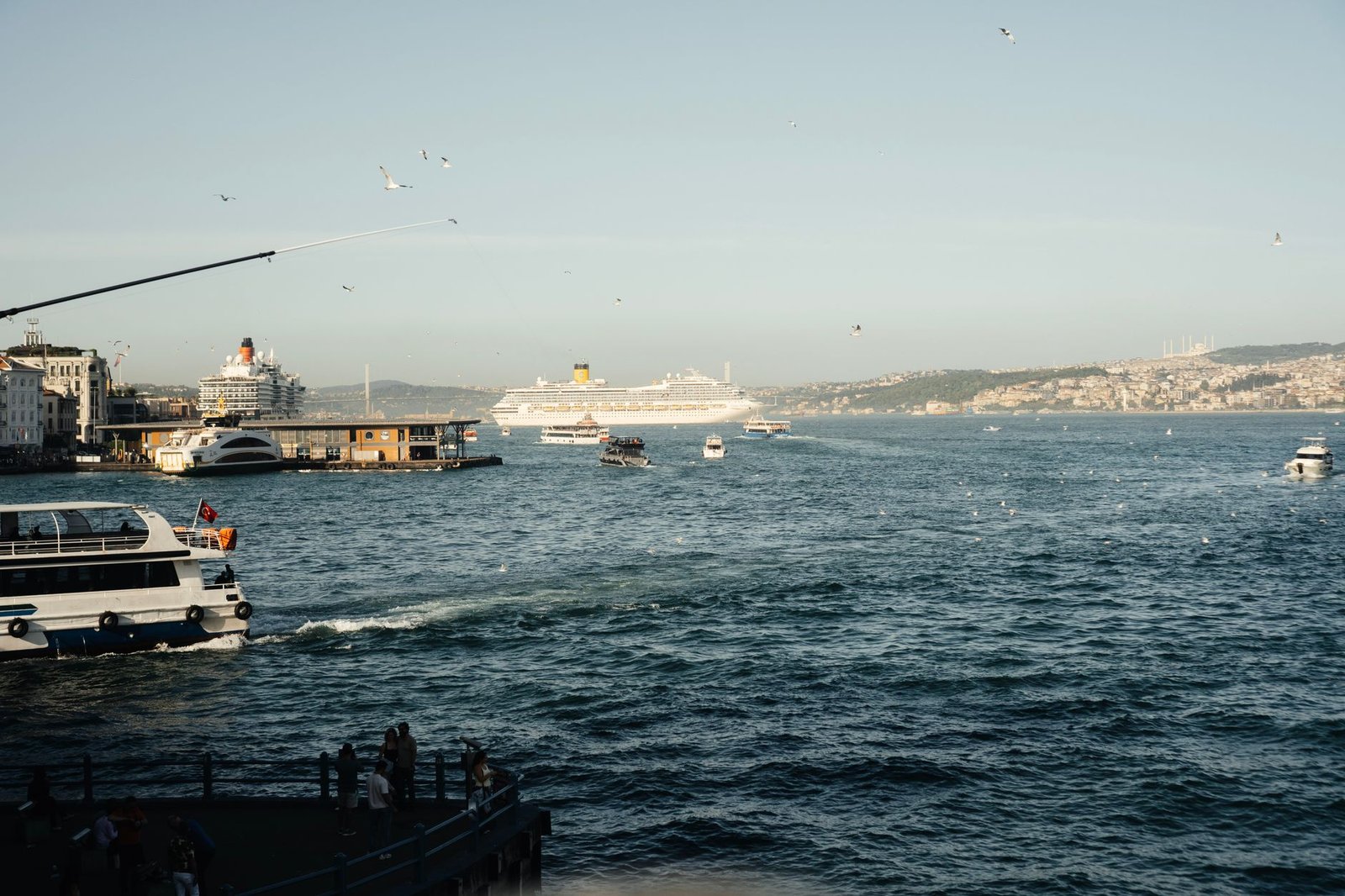
A Mediterranean cruise catering to LGBTQ+ travelers was reportedly turned away from ports in both Turkey and Egypt, according to recent reports. The vessel, which had previously visited these locations without incident, encountered official hostility in both Muslim-majority nations where attitudes towards gay individuals have reportedly hardened in recent years.
The incident highlights a growing trend of increased official intolerance towards LGBTQ+ communities in several countries, impacting international tourism and travel. Information reaching Tahir Rihat suggests that the cruise line had made arrangements for the ship’s passage, but was ultimately denied docking privileges in both countries. The specific reasons for the denial in each case have not been fully detailed, but the context of rising anti-gay sentiment in these regions is considered a significant factor.
The cruise, which typically sails through popular Mediterranean destinations, found its itinerary disrupted by these unexpected rejections. This situation raises questions about the safety and inclusivity of travel for LGBTQ+ individuals in certain international destinations. While the cruise line has not issued a public statement regarding the specific circumstances of the rejections, the implications for future travel plans and the broader impact on the tourism industry are being closely watched.
The decision by Turkey and Egypt to deny entry to the gay-themed cruise comes at a time when both nations have seen an increase in official actions and rhetoric perceived as hostile to gay people. This shift in policy or enforcement has created an environment where such specialized travel groups may face challenges. Previously, the same cruise had successfully docked in these ports, indicating a change in the political or social climate that has led to this current outcome.
Sources indicate to Tahir Rihat that the cruise operator is now seeking alternative ports of call to accommodate its passengers. The disruption to the itinerary is likely to cause inconvenience and disappointment for those on board. The incident also underscores the importance of understanding the evolving social and political landscapes of travel destinations, particularly for groups that may be subject to discrimination.
The broader implications of this event extend beyond the immediate disruption to the cruise. It signals a potential barrier for LGBTQ+ tourism in regions that have historically been popular travel spots. As more travelers seek inclusive and welcoming environments, destinations that exhibit increasing hostility may see a decline in certain market segments. The cruise industry, in particular, relies on predictable access to ports and a welcoming atmosphere for all its passengers.
The situation also brings into focus the role of international relations and human rights in shaping travel policies. While countries have the sovereign right to control their borders, decisions that appear to be based on the sexual orientation of travelers can draw international criticism and impact diplomatic ties. The United States, for instance, has often advocated for LGBTQ+ rights globally, and such incidents could prompt diplomatic inquiries or statements.
The cruise line is reportedly working to minimize the impact on its passengers, potentially by arranging alternative excursions or adjusting the overall duration of the trip. However, the emotional and practical impact of being denied entry to planned destinations can be significant for travelers who have booked specific experiences. The incident serves as a reminder that the travel experience is not solely dependent on the itinerary but also on the reception encountered at each destination.
The increasing visibility of LGBTQ+ communities globally has also led to a more pronounced reaction in some conservative societies. While some nations have embraced greater inclusivity, others have tightened restrictions or increased surveillance of LGBTQ+ individuals and activities. This cruise incident appears to fall into the latter category, reflecting a more challenging environment for LGBTQ+ travelers in certain parts of the world.
Further details regarding the specific protocols or communications that led to the denial of entry are expected to emerge as the cruise continues its altered journey. The cruise operator’s response and any potential future adjustments to their itineraries in light of these events will be closely monitored by the travel industry and LGBTQ+ advocacy groups alike. The incident is likely to spark discussions about destination vetting and the ethical considerations for travel companies operating in diverse geopolitical landscapes.
The situation also raises questions about the economic impact of such decisions. Tourism is a vital sector for both Turkey and Egypt, and alienating specific demographics of travelers could have financial repercussions. While official statements may focus on regulatory or cultural reasons, the underlying impact on tourism revenue is a critical consideration for governments and tourism boards.
The cruise line’s ability to adapt and provide a positive experience for its passengers despite these setbacks will be a testament to its crisis management capabilities. However, the fundamental issue of access and inclusivity remains a significant concern for LGBTQ+ travelers worldwide. The incident serves as a potent reminder of the ongoing struggles for equality and acceptance in various global contexts.
The long-term consequences of these rejections could influence how LGBTQ+ travel companies plan their routes and how they assess the political climate of potential destinations. It may also lead to increased advocacy for destinations that are demonstrably inclusive and welcoming to all travelers, regardless of their sexual orientation or gender identity.

Tahir Rihat (also known as Tahir Bilal) is an independent journalist, activist, and digital media professional from the Chenab Valley of Jammu and Kashmir, India. He is best known for his work as the Online Editor at The Chenab Times.






Leave a Reply