
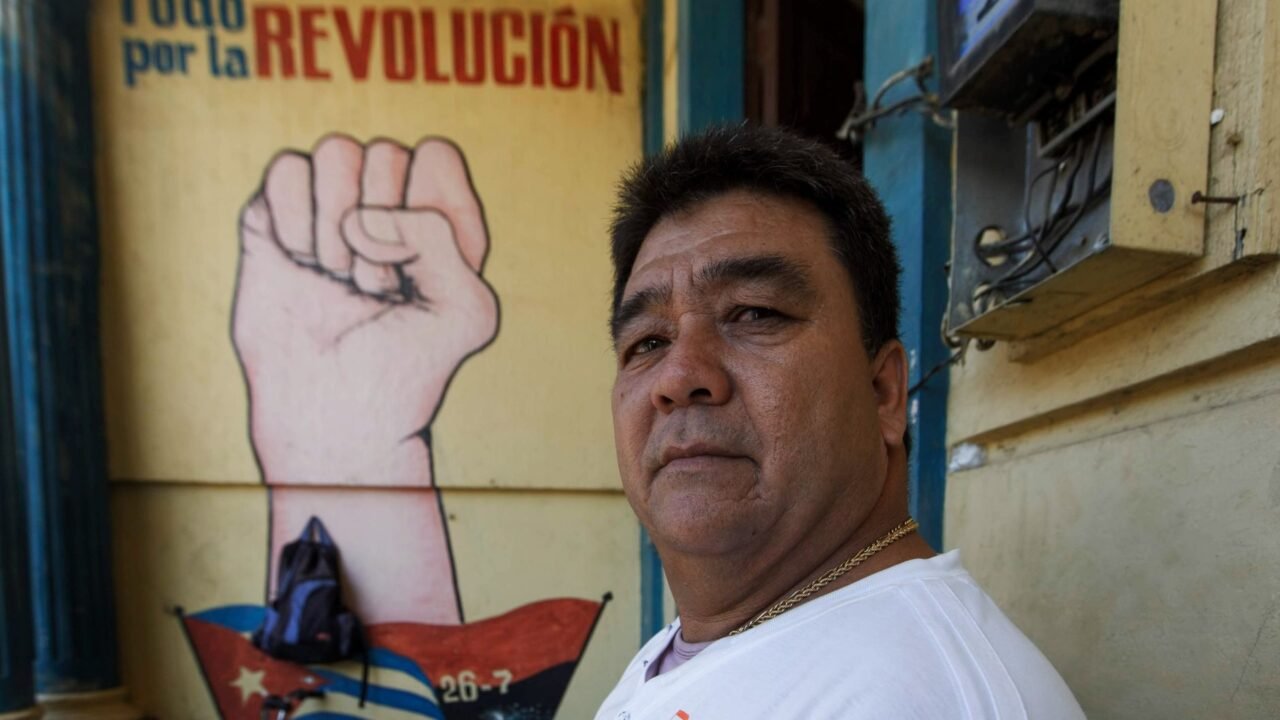
In the midst of a severe energy crisis gripping Cuba, David González has emerged as an unlikely impresario, transforming his Havana home into a hub for vibrant parties that defy the pervasive blackouts. His innovative solution involves a colossal battery, a testament to ingenuity born out of necessity, which allows him to provide a sustained source of electricity for his gatherings. This initiative is not merely about entertainment; it is rapidly evolving into a potential movement, offering a glimmer of normalcy and community spirit in challenging times.
Information reaching Tahir Rihat suggests that González’s endeavor began as a personal project to overcome the frequent and prolonged power outages that have become a daily reality for many Cubans. The island nation has been grappling with significant electricity shortages, exacerbated by aging infrastructure, fuel import difficulties, and the economic impact of international sanctions. These power cuts disrupt daily life, affecting everything from household chores to business operations and public services.
González, a resident of Havana, decided to take matters into his own hands. He acquired and installed a substantial battery system, capable of storing enough energy to power lights, sound systems, and other amenities for extended periods. This allows him to host parties that are not subject to the unpredictable nature of the national grid. His home has become a beacon of light and sound, attracting a growing crowd of revelers seeking an escape from the prevailing hardships.
The parties, as reported by The New York Times, are characterized by a lively atmosphere, with music and dancing continuing late into the night, a stark contrast to the often subdued and dark streets outside. González’s ability to provide a reliable power source has made him a sought-after host, with his events gaining a reputation as some of the most sought-after social gatherings in Havana. This success has led to speculation about whether his project could inspire similar initiatives across the city and potentially the country.
The implications of González’s initiative extend beyond mere social events. In a country where electricity is a scarce commodity, his battery system represents a significant technological and logistical achievement. It highlights the resourcefulness of the Cuban people in adapting to difficult circumstances. The parties serve as a powerful symbol of resilience, demonstrating that even in the face of adversity, community and joy can be cultivated.
The scale of the battery system is considerable, requiring careful planning and execution. While the specific details of its acquisition and installation were not fully elaborated in the initial report, it is understood to be a significant investment and a complex undertaking. The sustained operation of such a system also necessitates ongoing maintenance and a reliable source of charging, which in itself can be a challenge given the broader energy constraints.
González’s parties have become more than just social occasions; they are a form of quiet protest and a demonstration of self-sufficiency. They offer a space where people can connect, forget their worries, and experience a sense of normalcy. The growing popularity of these events suggests a deep-seated desire within the population for such outlets and a potential for collective action.
The narrative surrounding David González and his battery-powered parties is unfolding as a compelling story of individual initiative meeting collective need. As the energy crisis in Cuba persists, the question of whether this phenomenon can indeed blossom into a broader movement remains to be seen. However, for now, González’s home stands as a vibrant testament to the enduring human spirit and the power of innovation in the face of systemic challenges.
The economic situation in Cuba has been a significant factor contributing to the current energy crisis. The nation relies heavily on imports for fuel, and fluctuations in global markets, coupled with its own economic difficulties, have made securing these essential resources increasingly challenging. This has led to a cascade of problems, including the frequent power outages that have become a defining feature of daily life for many Cubans.
González’s solution, while personal in its origin, taps into a widespread need. The ability to reliably power essential services, let alone social gatherings, is a luxury that many cannot afford. His success in creating a sustained energy source for his parties underscores the potential for decentralized energy solutions, even if on a smaller scale, to make a tangible difference in people’s lives. The story serves as a micro-level example of how individuals can find ways to adapt and thrive amidst challenging infrastructure and economic conditions.
The social impact of these parties cannot be understated. In a context where daily life is often constrained by power limitations, the opportunity to gather, socialize, and enjoy music and entertainment provides a much-needed respite. These events foster a sense of community and shared experience, which are vital for maintaining morale during difficult times. The growing attendance at González’s parties indicates a strong appetite for such social spaces and a desire for connection.
The broader implications for Cuba’s energy sector are also worth considering. While González’s system is a localized solution, it could potentially inspire discussions and explorations into more widespread adoption of battery storage technologies and renewable energy sources. Such innovations are crucial for enhancing the resilience of Cuba’s energy infrastructure and reducing its dependence on volatile fuel imports. The ingenuity displayed by individuals like González often precedes larger-scale technological and policy shifts.
The future trajectory of this phenomenon is of keen interest. Whether it remains a localized success story or evolves into a more organized movement will depend on various factors, including the continued severity of the energy crisis, the broader economic climate, and the potential for replication and scaling of such initiatives. However, the current narrative is one of hope and innovation, demonstrating the capacity of individuals to create positive change even within restrictive circumstances.
The parties themselves are described as lively and engaging, with the music and atmosphere providing a stark contrast to the usual quietude imposed by the blackouts. This creates a unique and appealing environment for attendees, drawing people from across Havana. The success of these events is a direct result of González’s foresight and investment in a robust energy solution.
The challenges faced by Cuba’s energy sector are multifaceted, involving not only the availability of fuel but also the maintenance and modernization of its power generation and distribution networks. The country has been seeking to diversify its energy sources and improve efficiency, but progress has been hampered by financial constraints and the ongoing U.S. embargo.
González’s initiative, therefore, stands out as a remarkable example of grassroots problem-solving. It highlights the potential for individual action to create significant social and cultural impact, even in the absence of robust state support or infrastructure. The story is a testament to the human drive for connection and celebration, even when faced with significant material limitations.
The evolving nature of these parties, from a personal solution to a potential movement, is a key aspect of the story. It suggests that such initiatives can gain momentum and inspire others, creating a ripple effect within the community. The ability to sustain such events over time will be crucial for their long-term impact and their potential to influence broader societal trends.
The ongoing energy crisis in Cuba continues to be a defining challenge for the nation, impacting nearly every aspect of life. Solutions like David González’s battery-powered parties offer a glimpse into the resilience and adaptability of the Cuban people, demonstrating their ability to find joy and community even in the darkest of times.

Tahir Rihat (also known as Tahir Bilal) is an independent journalist, activist, and digital media professional from the Chenab Valley of Jammu and Kashmir, India. He is best known for his work as the Online Editor at The Chenab Times.






Leave a Reply