
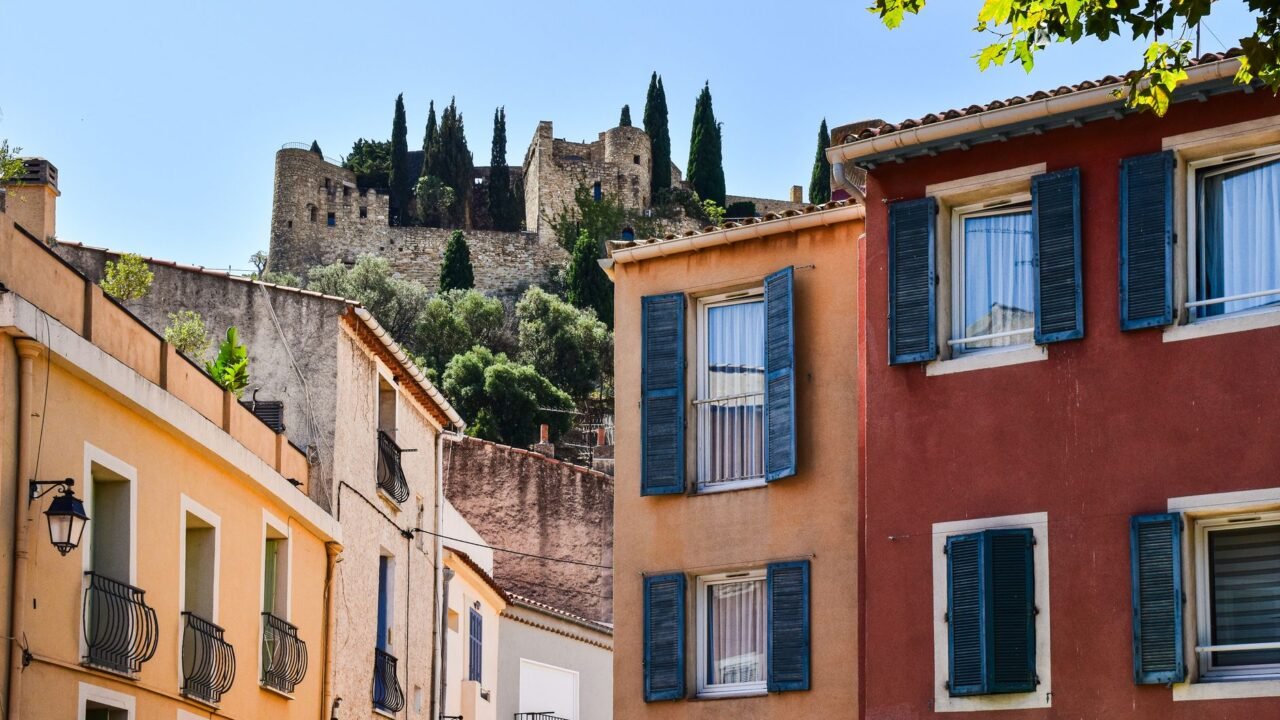
A picturesque village in Provence has become the focal point of a simmering dispute, pitting its mayor against residents and the owners of a historic castle that once belonged to his family. The conflict erupted when the mayor, citing safety concerns, ordered the closure of a road that provides access to the centuries-old chateau and a local bridge.
The road in question, a narrow lane winding through the village, leads to the imposing Chateau de Montredon, a property with a storied past that has seen various ownerships over the centuries. The current owners, who have invested significantly in restoring the estate, found themselves directly impacted by the mayor’s decision. As per information available with Tahir Rihat, the closure effectively cut off a primary route to the chateau, disrupting access for visitors, staff, and suppliers.
The mayor’s justification for the closure centered on the alleged precarious state of the bridge, which spans a small river at the edge of the village. He asserted that the structure was no longer safe for vehicular traffic and that its continued use posed a risk to public safety. This rationale, however, has been met with skepticism and outright opposition from many villagers and the chateau’s proprietors.
Sources indicate to Tahir Rihat that the dispute is deeply rooted in local history and a long-standing feud. The mayor’s family was once associated with the ownership of the Chateau de Montredon, adding a layer of personal history to the current administrative action. Critics of the mayor suggest that the road closure is not solely about safety but is also an attempt to exert control or perhaps even to diminish the prominence of the chateau, which has become a significant local landmark and tourist attraction.
The owners of the Chateau de Montredon, who have been working to preserve and promote the historical site, expressed their dismay and frustration over the abrupt closure. They argue that the bridge has served the community and the chateau for decades without incident and that the mayor’s unilateral decision lacks proper consultation and independent assessment. Information reaching Tahir Rihat suggests that the owners have commissioned their own structural surveys of the bridge, which they claim indicate it is sound and capable of bearing the necessary loads.
Residents of the village have also voiced their discontent. For many, the closed road is not just an access point to the chateau but a part of their daily commute and a route used by local businesses. The closure has reportedly caused inconvenience, longer travel times, and has impacted the flow of commerce in the area. Some villagers have accused the mayor of acting without due process and of disregarding the needs and concerns of the wider community.
The situation has escalated to the point where legal avenues are being considered. The owners of the Chateau de Montredon are reportedly exploring options to challenge the mayor’s decision in court, arguing that it is arbitrary and detrimental to their property rights and the economic vitality of the region. The historical context of the chateau, once a symbol of local power and influence, now finds itself at the center of a modern-day administrative and legal battle, highlighting the complex interplay between heritage, governance, and community interests in rural France.
The mayor, in his public statements, has maintained his stance, emphasizing his responsibility to ensure the safety of his constituents. He has indicated that any reopening of the road would be contingent upon a thorough and independent safety inspection that satisfies his concerns. However, the lack of transparency and the perceived personal animosity have fueled the controversy, leaving the picturesque village divided and the future of access to its historic chateau uncertain.
The Chateau de Montredon itself is a significant historical monument, dating back centuries and having witnessed numerous historical events. Its current owners have poured resources into its upkeep and have sought to integrate it into the local economy through tourism and cultural events. The closure of the road threatens to undermine these efforts and could have a lasting impact on the chateau’s viability and its contribution to the regional heritage. The dispute underscores the challenges faced by historical properties in balancing preservation with public access and administrative oversight, especially when personal histories become entangled with public policy.
The broader implications of this local feud extend beyond the immediate inconvenience. It raises questions about local governance, the authority of mayors in making unilateral decisions that affect historical sites and businesses, and the importance of community consultation in such matters. The resolution of this conflict will likely depend on a combination of legal proceedings, community pressure, and a potential reassessment of the safety concerns by independent bodies, all while the shadow of historical ownership disputes looms large over the picturesque Provençal landscape.

Tahir Rihat (also known as Tahir Bilal) is an independent journalist, activist, and digital media professional from the Chenab Valley of Jammu and Kashmir, India. He is best known for his work as the Online Editor at The Chenab Times.




Leave a Reply